
Yoga and Wellness Retreats in Thailand in Spring 2026
Spring 2026 in Thailand means transition—March through May mark the shift from cool dry season to hot season and eventually monsoon. For those considering yoga and wellness retreats in Thailand in spring 2026, you’re navigating Thailand’s most variable season with dramatically different conditions from early to late spring.
What experienced travelers understand: Spring starts beautifully and ends challengingly. March begins with excellent weather that gradually warms. April brings intense heat. May concludes with extreme temperatures before monsoon’s relief arrives. Strategic timing within spring makes all the difference between comfortable and genuinely difficult conditions.

Our Selection of Yoga Retreats in Thailand, December 2026
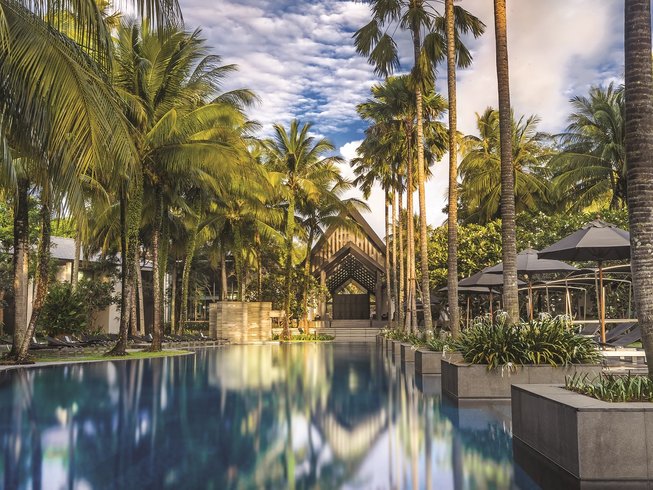
5 Day Anahata Rejuvenation, Luxury Spa Detox, and Yoga Retreat in Phuket, Thailand

8 Day Yoga Sadhana Retreat in a Peaceful Private Beachfront Resort in Koh Phangan, Thailand
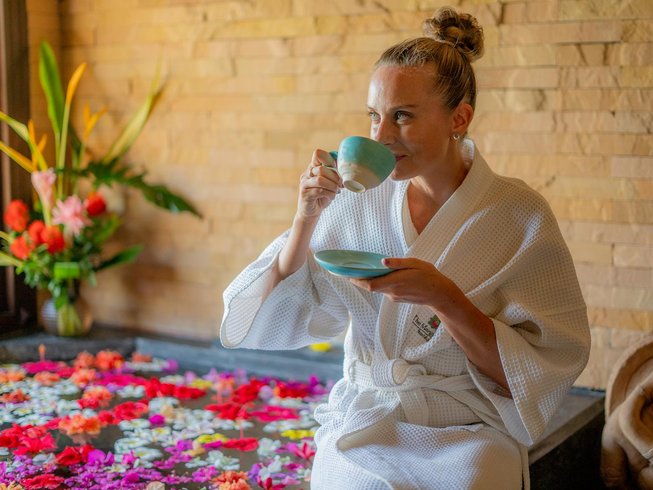
15 Day AyurYoga Shodhana Ayurveda Retreat in Rawai, Phuket, Thailand
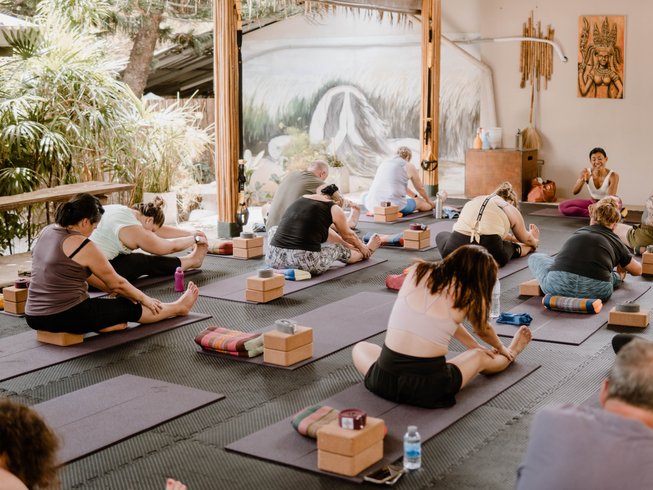
7 Days Holistic Wellness and Yoga Holiday in Phuket, Thailand
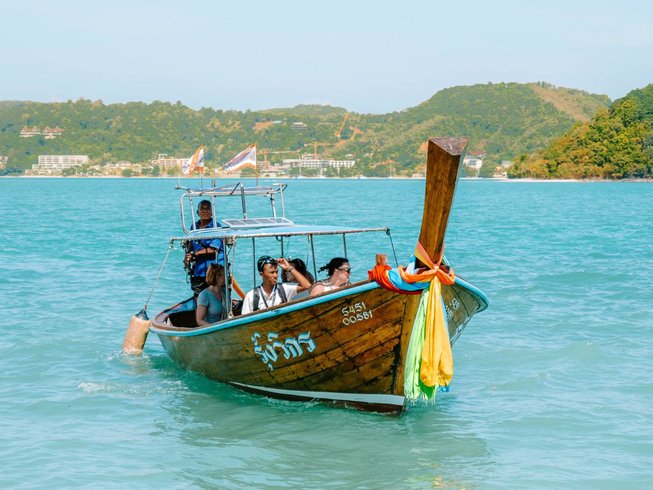
8 Day Soulful Thailand Retreat: Yoga, Wellness & Cultural Connection in Phuket, Thailand

14 Day Wellness, Adventures, and Yoga Holiday in Phuket, Thailand
Spring 2026 Weather Progression
Spring in Thailand means facing a fundamental truth: this is when the country gets genuinely hot. We’re not talking about pleasant tropical warmth—we’re talking about temperatures that regularly exceed 35°C, humidity that makes the air feel thick, and heat that imposes real limitations on what you can comfortably do outdoors. March begins the transition from winter’s perfection into conditions that test even heat-tolerant travelers. By May, you’re experiencing Thailand at its most challenging.
- March: 28-33°C, warm but manageable early month, building heat late month
- April: 30-36°C+, hot season peak, challenging conditions
- May: 28-37°C, extreme heat with pre-monsoon humidity
- Humidity: 70-85%, increasing through season
- Rain: Minimal March-April, increasing late May
- Heat index: Can exceed 40°C in April-May afternoons
Spring divides into two phases: pleasant transitional weather (early March) followed by increasingly intense heat (late March through May) that tests even heat-tolerant travelers.
Where Spring Actually Works
Northern Thailand—Skip It Entirely
Let’s be direct about Chiang Mai and the northern regions during spring: don’t go. March through April brings burning season when farmers across northern Thailand and neighboring countries set fire to their fields. The resulting smoke creates genuinely hazardous air quality—not just unpleasant, but actually dangerous, particularly for anyone with respiratory sensitivity. Air quality indices reach levels that would shut down cities elsewhere.
Add extreme heat of 35-38°C with no ocean access for relief, and you have conditions that even locals try to escape if they can afford to travel elsewhere. The exception: very early March, before burning season peaks, when conditions still resemble February. But by mid-March, northern Thailand becomes the place to avoid for yoga and wellness travel.
Gulf Islands—Your Best Option
Koh Samui and Koh Phangan remain manageable through spring, though “manageable” requires honest definition. Ocean breezes make heat more tolerable rather than comfortable. Beach access provides essential cooling through regular swimming rather than occasional dips. You’re still hot—make no mistake about that—but significantly better than inland locations where heat becomes genuinely oppressive.
These islands stay viable throughout spring if you implement serious heat-management strategies and accept that your daily rhythm will revolve entirely around temperature. Early morning activities, midday retreat indoors, evening resumption of outdoor time—this becomes non-negotiable pattern rather than optional approach.
Andaman Coast—Increasingly Difficult
The western coast sees heat building through March and April, though ocean cooling makes conditions bearable if not pleasant. Late May brings pre-monsoon storms as the transition toward rainy season begins. The coast remains accessible, certainly better than inland areas, but you’re dealing with substantial heat requiring constant management.
Spring’s Trade-Offs
Why do some travelers choose spring despite these challenges? The advantages become compelling for certain priorities.
Prices drop dramatically:
- March: 20-30% below peak winter season
- April: 30-40% savings
- May: 40-50% off peak rates
Crowds decrease noticeably, especially after mid-March when spring break ends and before next wave of travelers arrives. Booking becomes easy with just 2-3 weeks advance notice rather than the months required for winter. Early March specifically offers something rare: winter-quality weather at spring prices, creating a genuine sweet spot for value-conscious travelers.
The tourist infrastructure relaxes, revealing more authentic local life. Detox programs benefit from heat that enhances cleansing protocols—your body sweats more, elimination intensifies, the process accelerates. For practitioners specifically seeking intensive detoxification, spring’s heat becomes feature rather than bug.
Month-by-Month Spring Reality
Early March (1st-15th): Excellent weather resembling February, temperatures around 28-30°C, 20-30% savings from peak season, crowds decreasing but still present. This represents spring’s best period—comfortable conditions meeting reasonable prices.
Late March (16th-31st): Heat building noticeably, 32-35°C becoming normal, coastal areas significantly better than inland, savings increasing to 25-35%, tourist numbers dropping substantially. Requires genuine heat tolerance but remains workable with proper planning.
April: Hot season peak, temperatures reaching 30-36°C and higher inland, genuinely challenging conditions, 30-40% savings, minimal crowds. Works only for heat enthusiasts or those with scheduling constraints leaving no alternative.
May: Extreme heat of 28-37°C, pre-monsoon humidity making it feel even hotter, 40-50% savings, beaches nearly empty. Only the most budget-conscious, heat-tolerant, or schedule-constrained travelers should consider May.
The progression is clear and unforgiving—each week grows noticeably hotter than the last.
Who Spring Actually Suits
Early March visitors targeting the first two weeks get winter quality at spring prices—this represents genuine value without suffering.
Heat-tolerant travelers who genuinely thrive in tropical intensity rather than merely tolerating it find spring manageable where others would struggle.
Budget-conscious travelers willing to trade substantial comfort for dramatic savings access Thailand at prices impossible during better weather.
Detox enthusiasts specifically seeking programs where heat enhances cleansing discover spring’s temperature supports their protocols.
Beach lovers understanding that coastal locations run far more bearable than inland areas can make spring work through ocean access.
Crowd avoiders who prioritize solitude and authentic experience over comfort find tourist season winding down substantially.
Flexible schedulers who can genuinely adapt daily plans to revolve around temperature—early morning activities, midday rest, evening resumption—handle spring better than those needing consistent schedules.
Everyone else should choose different months. That’s not judgment—it’s honest assessment based on Thailand’s spring reality.
Making Spring Survivable
If spring fits your schedule or priorities despite the heat, certain strategies become absolutely essential rather than merely helpful.
Choose coastal locations exclusively—islands and beaches only, never inland. Ocean access stops being luxury and becomes survival equipment. Avoid northern Thailand completely from March through May—skip Chiang Mai entirely during this period regardless of how appealing it might seem on paper.
Schedule practice very early—5:30-7:30am before heat builds to punishing levels. This isn’t preference; it’s necessity for any vigorous activity. Midday rest becomes mandatory—11am to 4pm spent indoors with air conditioning, not optional siesta but required heat avoidance.
Evening activities resume after 5pm when temperature drops slightly, though “slightly” means you’re still warm, just less dangerously so. Serious hydration means 4+ liters daily supplemented with electrolytes, not casual water drinking but deliberate mineral replacement.
Ocean access essential—regular cooling swims throughout the day, multiple times, not occasional beach visits. Target early March specifically if choosing spring at all—the first two weeks offer dramatically better conditions than anything that follows.
Programs That Work With Spring Heat
Beach yoga retreats succeed when they make ocean access central to programming rather than occasional activity. Swimming between practices, water-based yoga, constant cooling opportunities—these features shift from nice-to-have to essential infrastructure.
Detox and fasting programs actually benefit from spring heat, which enhances elimination and makes reduced eating easier when appetite naturally decreases in high temperatures.
Yin and restorative yoga align with heat that demands slower, gentler movement rather than vigorous sequences that become unsafe in extreme temperatures.
Meditation programs in air-conditioned indoor spaces find weather largely irrelevant to sitting practice—contemplative work continues regardless of conditions outside.
Spa intensives focusing on treatments rather than outdoor activities suit spring perfectly since heat makes extended indoor pampering feel logical rather than disappointing.
Healing retreats emphasizing internal work over active exploration handle spring well when programming already prioritizes indoor, contemplative practices.
What doesn’t work: intensive Ashtanga or power yoga maintained throughout the day, adventure programs requiring midday outdoor exertion, hiking-focused retreats, anything depending on comfortable conditions for sustained outdoor activity.
What to Pack
Ultra-light clothing in absolute minimum quantities—you’ll wear nearly nothing most of the time. Maximum sun protection with SPF 50+ sport formula designed for constant sweating and reapplication. Multiple swimsuits allowing constant rotation since you’ll be in water repeatedly throughout each day. Serious hydration equipment including large water bottle and electrolyte supplement packets. Cooling supplies like neck wraps and specialized cooling towels providing instant relief when heat feels overwhelming.
Skip makeup entirely—everything melts, separates, or runs within minutes in spring heat. Pack exclusively quick-dry fabrics because sweating becomes constant and cotton stays damp forever. Bring waterproof bags for late May when pre-monsoon storms begin arriving.
Leave at home anything heat-sensitive: chocolate melts, electronics overheat, many toiletries separate or spoil in extreme temperatures.
Activities That Work
Water sports become primary activities—swimming, diving, paddleboarding all provide essential cooling alongside recreation. Early morning hours suit beach walks, gentle yoga, exploration before heat builds dangerously. Indoor cooking classes in air-conditioned venues work perfectly when outdoor markets become heat-endurance tests. Spa treatments feel logical rather than indulgent when spending hours in climate-controlled spaces sounds genuinely appealing. Evening markets after sun sets bring slightly cooler temperatures making outdoor time tolerable again.
Avoid entirely: Midday outdoor activities of any kind, hiking when temperature exceeds 35°C, intensive physical exertion in afternoon heat, anything requiring sustained outdoor presence during peak temperature hours.
Spring’s Honest Assessment
Spring in Thailand works brilliantly for very specific travelers with very specific priorities and tolerances. Early March specifically—targeting the first two weeks—offers genuinely compelling value when winter-quality weather meets spring prices. This brief window represents spring’s best period by substantial margin.
Late March through May requires honest self-assessment about heat tolerance and flexibility. The savings become dramatic—40-60% below peak season by May—but you earn those savings through genuine discomfort and substantial lifestyle adaptation. Days revolve entirely around managing temperature. Spontaneity disappears. Outdoor freedom becomes severely limited.
Most travelers should choose different months. October through February offer dramatically better conditions at prices that, while higher, don’t require suffering for your savings. Spring suits the small percentage of travelers for whom timing constraints leave no alternative, budget limitations make the savings genuinely necessary, or heat tolerance runs exceptionally high.
The key is brutal honesty about which category you actually fall into rather than which category you wish you fell into or think you should fall into.
Frequently Asked Questions
Is spring 2026 a good time for Thailand wellness retreats?
Depends entirely on timing within spring—early March excellent, late spring genuinely challenging. Yoga and wellness retreats in Thailand in spring 2026 range from comfortable in early March (28-30°C, similar to winter) to extremely difficult by May (28-37°C with oppressive humidity). Benefits include 20-50% savings depending on month, dramatically decreasing crowds, easy last-minute booking. Spring works if you’re targeting specifically early March, choosing exclusively coastal locations, and possess genuine heat tolerance. Skip entirely if you’re heat-sensitive, considering April or May, or wanting to visit northern Thailand.
Which spring month offers the best experience?
Early March by substantial margin—target March 1st-15th specifically. Early March delivers February-like weather at 20-30% lower prices, creating genuine value without suffering. Late March through May grow progressively more challenging with each passing week as heat intensifies relentlessly. For yoga and wellness retreats in Thailand in spring 2026, scheduling within the first half of March provides the best possible weather-to-price ratio. After mid-March, you’re increasingly trading comfort for savings rather than getting both.
Why should I avoid northern Thailand during spring?
Burning season creates genuinely hazardous air quality that affects health, not just comfort. Farmers across northern Thailand and neighboring countries burn agricultural fields during March and April, producing extreme smoke that blankets Chiang Mai and surrounding regions. Air quality indices regularly reach levels considered dangerous, causing respiratory issues even for healthy individuals and making outdoor activities unpleasant to impossible. Add extreme heat of 35-38°C+ with no ocean access for relief, and northern Thailand becomes the region to skip entirely during spring. Southern coastal areas remain unaffected by burning season. For yoga and wellness retreats in Thailand in spring 2026, avoid the north completely from March through May regardless of how appealing mountain retreats might seem.
What kind of savings can I expect in spring?
20-50% below peak winter season depending on specific month. March runs 20-30% off peak rates, April delivers 30-40% savings, May offers 40-50% discounts. That $2,500 January retreat drops to $1,750-2,000 in March, $1,500-1,750 in April, $1,250-1,500 in May. The savings become genuinely substantial—potentially thousands of dollars for longer programs. For yoga and wellness retreats in Thailand in spring 2026, significant value exists if you can accept the heat challenges that come alongside those lower prices. The question becomes whether the savings justify the discomfort for your specific situation.
Can I still do intensive yoga practice in spring heat?
Yes, but only very early morning and with significant modifications. Vigorous practice between 5:30-7:30am works before heat builds to dangerous levels. Late afternoon or evening suits gentle styles like yin, restorative, or meditation. Midday intensive practice becomes genuinely unsafe in spring temperatures—heat exhaustion risk becomes real rather than theoretical. Most responsible retreats adjust schedules accordingly, shifting demanding practices to early morning and offering gentler options during hotter hours. For yoga and wellness retreats in Thailand in spring 2026, expect modified practice schedules that prioritize safety over maintaining winter’s full-day intensive programming. Accept that spring heat imposes real, non-negotiable limitations on what you can safely do during peak temperature hours.
How does early March compare to late February?
Nearly identical conditions with notably lower prices—early March offers exceptional value. Weather-wise, March 1st-15th closely resembles late February with comfortable 26-30°C temperatures, minimal rain, pleasant humidity. The difference: prices drop 20-30% as peak season officially ends despite conditions remaining excellent. Crowds decrease as spring break visitors depart. For yoga and wellness retreats in Thailand in spring 2026, early March specifically represents one of the year’s best value periods—winter quality at spring prices before heat arrives. If your schedule offers any flexibility, targeting March 1st-15th provides optimal balance of comfort and cost.
Related Articles
Explore our monthly guides: yoga and wellness retreats in Thailand in January, yoga and wellness retreats in Thailand in February, yoga and wellness retreats in Thailand in March, yoga and wellness retreats in Thailand in April, yoga and wellness retreats in Thailand in May, yoga and wellness retreats in Thailand in June, yoga and wellness retreats in Thailand in July, yoga and wellness retreats in Thailand in August, yoga and wellness retreats in Thailand in September, yoga and wellness retreats in Thailand in October, yoga and wellness retreats in Thailand in November, and yoga and wellness retreats in Thailand in December.
Discover our seasonal guides: yoga and wellness retreats in Thailand in Spring, yoga and wellness retreats in Thailand in Summer, yoga and wellness retreats in Thailand in Autumn, and yoga and wellness retreats in Thailand in Winter.
For a complete overview, read Yoga and Wellness Retreats in Thailand for 2026.
