

Ultimate Guide to Ayurveda Retreats in India 2026
Ayurveda retreats in India are ideal for travelers seeking a healing-focused stay rather than a standard wellness getaway, combining traditional therapies with settings like Kerala’s backwaters and the Himalayan foothills. Many of these retreats bring together personalized consultations, herbal treatments, yoga, meditation, and calming daily routines designed to support rest, balance, and deeper restoration.
Share This Article


Ultimate Guide to Ayurveda Retreats in India 2026
For centuries, India has been the spiritual and practical home of Ayurveda, the world’s oldest holistic healing system. More than a medical practice, Ayurveda is a profound science of life, offering a path to complete well-being by harmonizing the body, mind, and spirit. An Ayurveda retreat in India is not a typical vacation; it is a transformative journey back to your natural state of health.
In 2026, the call for authentic, deep-rooted healing is stronger than ever. This guide serves as your essential roadmap, exploring how the ancient wisdom of Ayurveda responds to the unique energetic shifts of each season and month. We will delve into the ideal treatments, from the intensive detox of Panchakarma to the soothing bliss of Shirodhara, and uncover the top destinations across the subcontinent where you can embark on this life-changing pilgrimage to wellness.
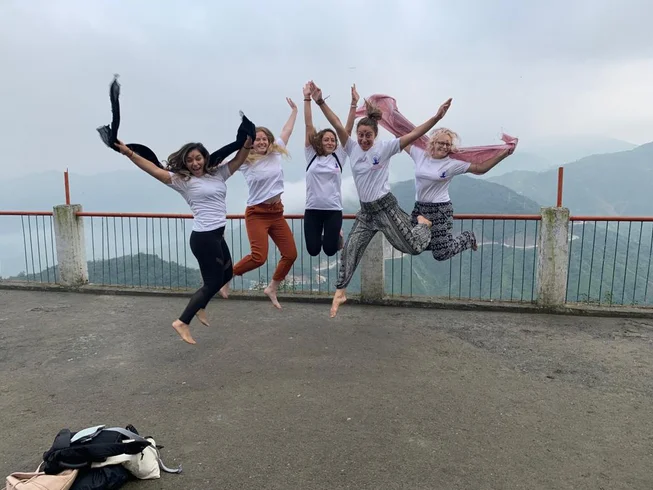
7 Day Unplugged Ayurveda and Panchakarma Retreat in Rishikesh, India
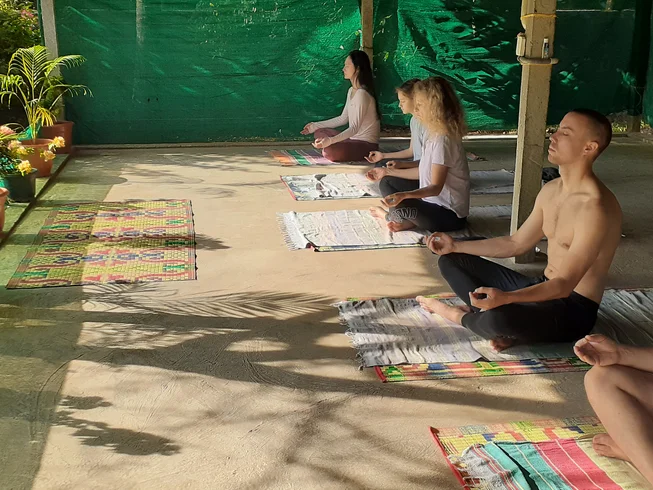
14 Day Ayurveda Panchakarma Detox Retreat in Chalakudy, Kerala, India
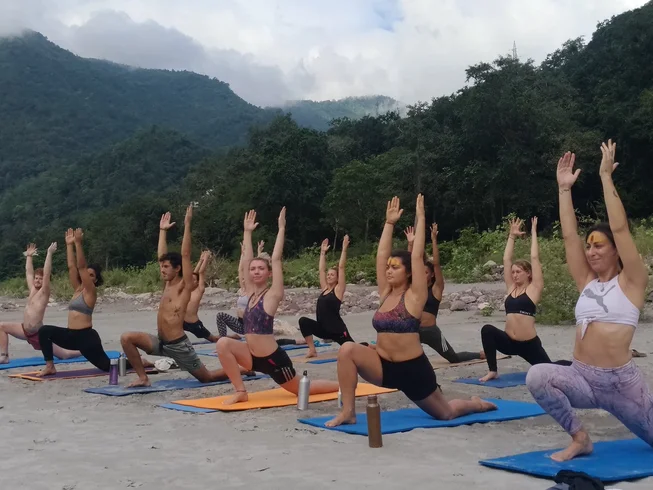
10 Day Atam Sukha Wellness Retreat in Uttarakhand, India with Ayurveda, Meditation, and Yoga

6 Day Oasis of Ayurveda: Healing & Learning Yoga Retreat in Arambol, Goa, India
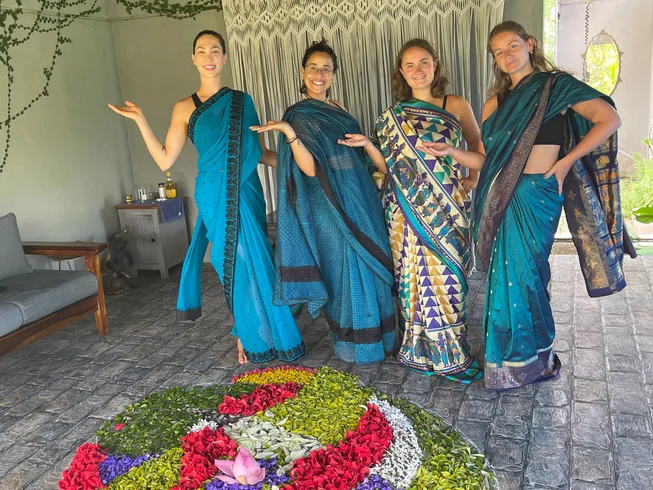
8 Day Yoga and Ayurveda Retreat in Kerala, India
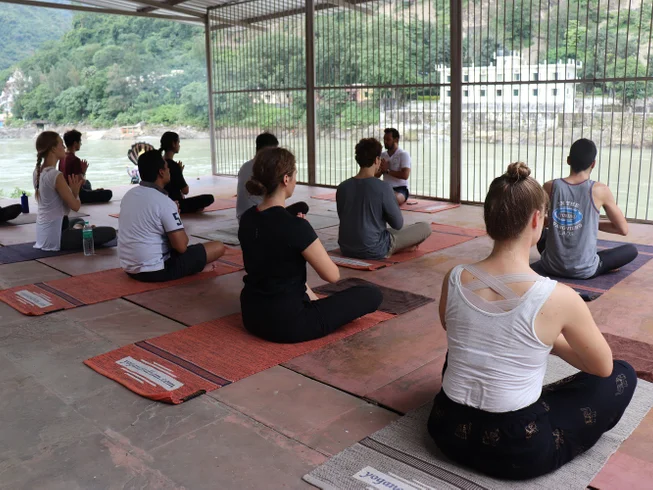
28 Day Ayurvedic Panchkarma Treatment and Yoga Retreat in Rishikesh, India
Understanding Doshas: The Blueprint of Your Health
At the heart of Ayurveda are the three doshas—Vata (Air/Ether), Pitta (Fire/Water), and Kapha (Earth/Water). These biological energies govern all physical and mental processes. Every individual has a unique constitution (Prakriti), and our health depends on the balance of these doshas. Seasonal changes, diet, and stress can disrupt this balance, leading to illness. Ayurvedic treatments are designed to pacify aggravated doshas and restore harmony.
Vata Dosha
Governs movement, creativity, and the nervous system. When imbalanced, it causes anxiety, insomnia, dryness, and constipation.
Pitta Dosha
Governs metabolism, digestion, and transformation. When imbalanced, it causes inflammation, acidity, anger, and skin rashes.
Kapha Dosha
Governs structure, stability, and lubrication. When imbalanced, it causes weight gain, lethargy, congestion, and attachment.
Top Ayurveda Destinations in India
– Kerala – The undisputed capital of Ayurvedic retreats. Its lush, tropical climate is considered ideal for herbal growth and for the body to absorb treatments. Home to the most renowned and authentic Panchakarma centers.
– The Himalayas (Rishikesh, Dharamshala) – For a spiritually charged retreat. The serene mountain environment is perfect for meditation, yoga, and pacifying Vata dosha through grounding practices.
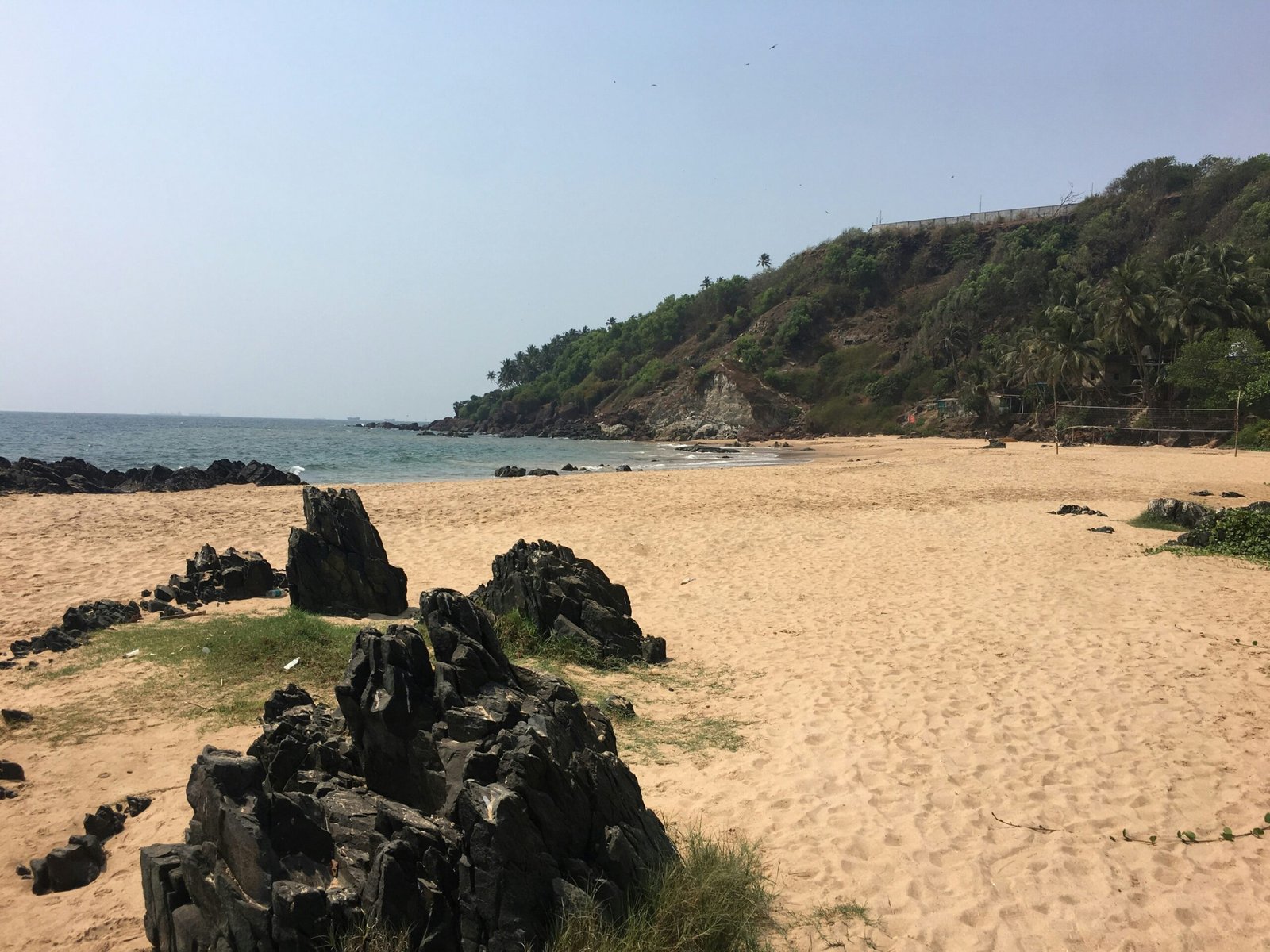
– Goa – Offers a unique blend of serious Ayurveda and a relaxing beachside atmosphere. Ideal for those seeking wellness without completely forsaking a tranquil coastal vibe.
– South Tamil Nadu (Kovalam, Coimbatore) – A quieter, yet equally authentic alternative to Kerala, with a strong lineage of traditional Siddha and Ayurvedic medicine.
How to Choose Your Ideal Ayurveda Retreat
Selecting the right retreat is crucial. Consider your primary health goals: deep detox, stress relief, weight management, or chronic disease management. Research the center’s credentials—look for certified Ayurvedic doctors (Vaidyas) and authentic Panchakarma offerings. Read testimonials and ensure the environment supports your need for peace and immersion.


Seasonal Ayurveda (Ritucharya): The Key to Annual Balance
Ayurveda emphasizes living in harmony with nature’s cycles, known as Ritucharya. Each season has a dominant doshic influence that affects our internal state. By understanding these rhythms, you can choose the perfect time for your retreat to address specific health concerns.
Winter (Hemanta & Shishira Ritu) – Late Nov to Feb
Dosha: Vata Aggravation → Kapha Accumulation. A time for nourishing, warming therapies and internal cleansing to prepare for spring.
Spring (Vasanta Ritu) – Mar to May
Dosha: Kapha Aggravation. The natural melting of accumulated Kapha makes it the prime season for detoxification (Panchakarma).
Summer (Grishma Ritu) – Jun to Aug
Dosha: Pitta Aggravation. The focus shifts to cooling, calming treatments to pacify internal heat and prevent inflammation.
Monsoon (Varsha Ritu) – Sep to Nov
Dosha: Vata Aggravation. The damp, windy weather aggravates Vata, requiring grounding, strengthening, and digestive-enhancing therapies.
FAQs: Ayurveda Retreats in India
1. What can you expect at an Ayurveda retreat in India?
- Most Ayurveda retreats include a health consultation, personalized treatments, yoga or meditation sessions, and meals tailored to Ayurvedic principles. Many also focus on rest, detox, and lifestyle reset rather than a packed sightseeing schedule.
2. Are Ayurveda retreats in India only for serious detox programs?
- No, some are built around deeper Panchakarma cleansing, while others are designed for relaxation, stress relief, and gentle healing. There are options for both first-time wellness travelers and guests looking for a more intensive therapeutic stay.
3. How long should you stay at an Ayurveda retreat in India?
- A short stay can work for rest and introductory treatments, but a longer program is usually better for deeper healing. More structured Panchakarma-style retreats are often done over two to three weeks or longer.
4. Why is Kerala so popular for Ayurveda retreats in India?
- Kerala is widely seen as one of the most established destinations for authentic Ayurvedic care, especially for Panchakarma programs in peaceful natural surroundings. Its backwaters, greenery, and long wellness tradition make it especially appealing for immersive retreats.
5. Is Rishikesh a good choice for an Ayurveda retreat in India?
- Yes, Rishikesh is a strong option for travelers who want Ayurveda blended with yoga, spiritual calm, and a Himalayan setting. It tends to suit people who value a more meditative atmosphere alongside their treatments.
6. What should you pack for an Ayurveda retreat in India?
- Pack light, breathable clothing, simple sandals, and anything that helps you stay comfortable during treatments and quiet time. It is also smart to bring modest outfits for yoga, relaxation, and cooler mornings or evenings, depending on the region.
Share Your Thoughts
Your email address will not be published. Required fields are marked *