
January isn’t what most people picture when they think of a yoga retreat in Italy. The beaches are empty, the hills are bare, the tourist infrastructure has largely stood down. But that’s exactly what makes it compelling.
This is Italy without the performance: when locals reclaim their towns, when ancient thermal baths steam in cold air, when the pace of daily life slows to something the nervous system can actually match.


The off-season advantage is real and underappreciated. Prices drop significantly, typically 30 to 50% below peak summer rates, while the quality of the retreat experience often improves. Retreat centres that operate year-round tend to run their most intimate and carefully considered programmes in January, when group sizes are small and there’s genuine time and space for individual attention.
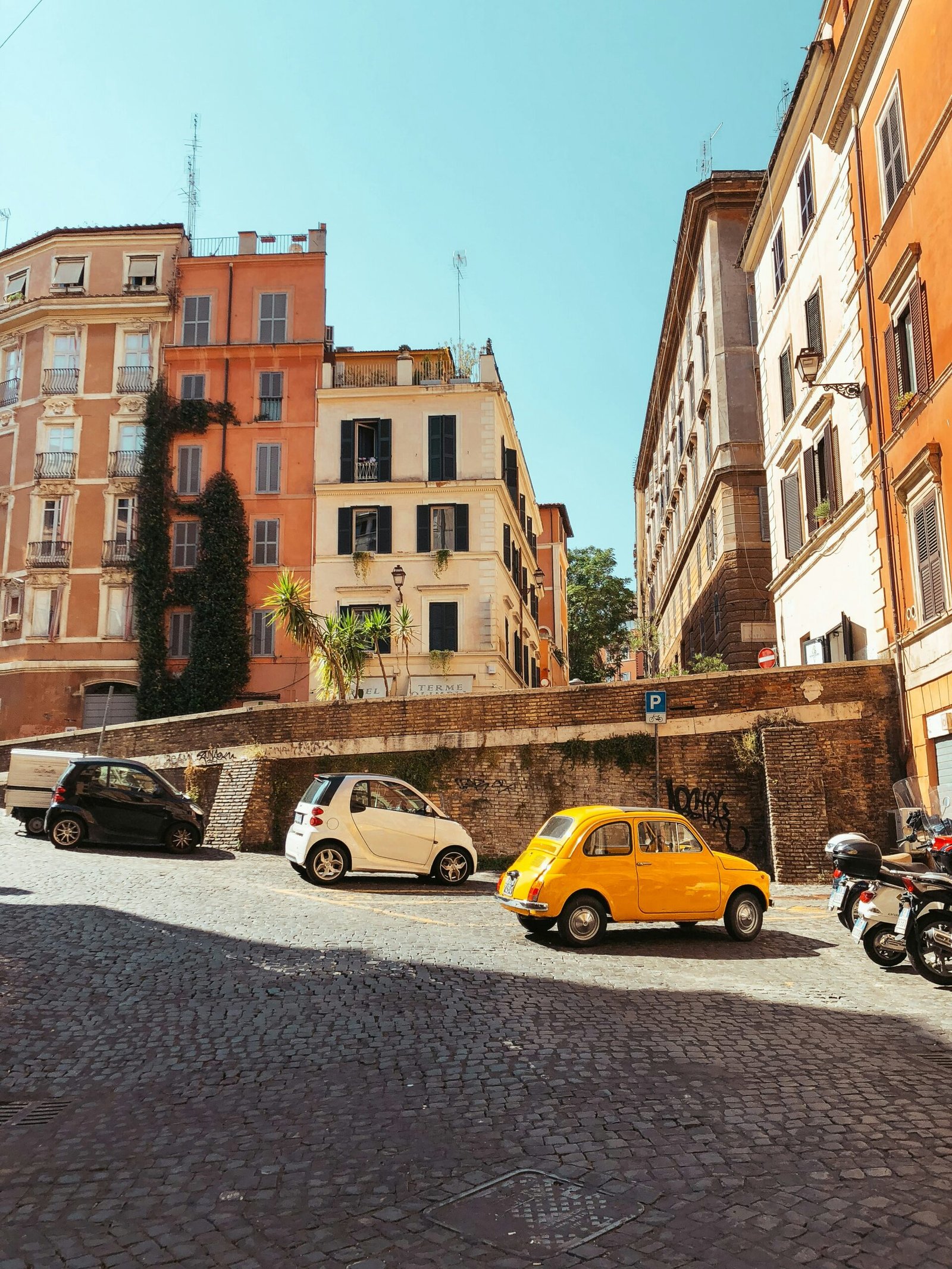
The absence of crowds changes the experience of the country itself. Florence’s museums become navigable. Rome’s piazzas fill with actual Romans. Restaurants cook for neighbourhood regulars rather than tour groups, which means better food at lower prices and conversations that happen naturally rather than transactionally.
Italy in January also offers something that summer flatly cannot: the space to actually be still. The season’s energy, shorter days, lower temperatures, the cultural invitation to slow down after the festive period, aligns naturally with what most people come to a retreat looking for. The weather demands you linger over meals, spend afternoons in thermal baths, and move through the day without urgency. That’s not a limitation. It’s the point. For a full picture of how January fits into Italy’s broader retreat calendar, the complete guide to yoga retreats in Italy covers every region and every month.
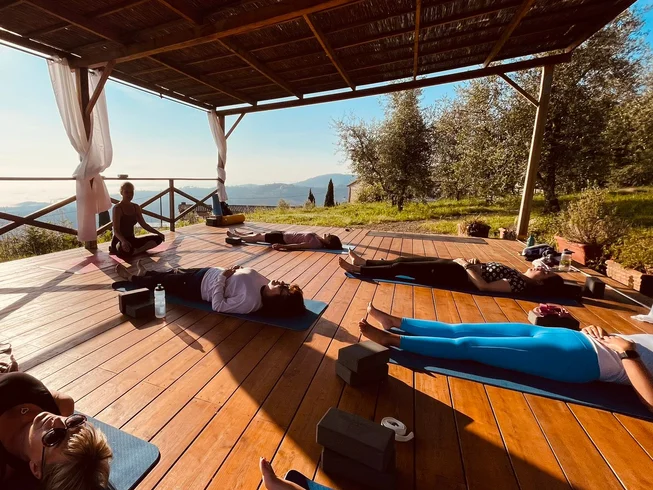
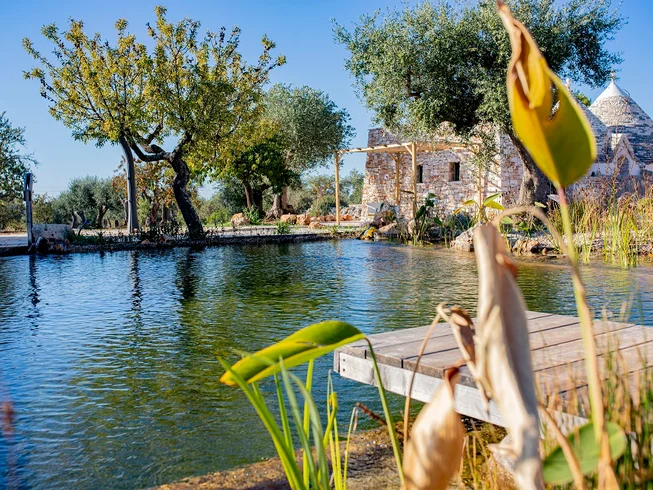
January’s appeal varies considerably by region, and choosing the right one matters.
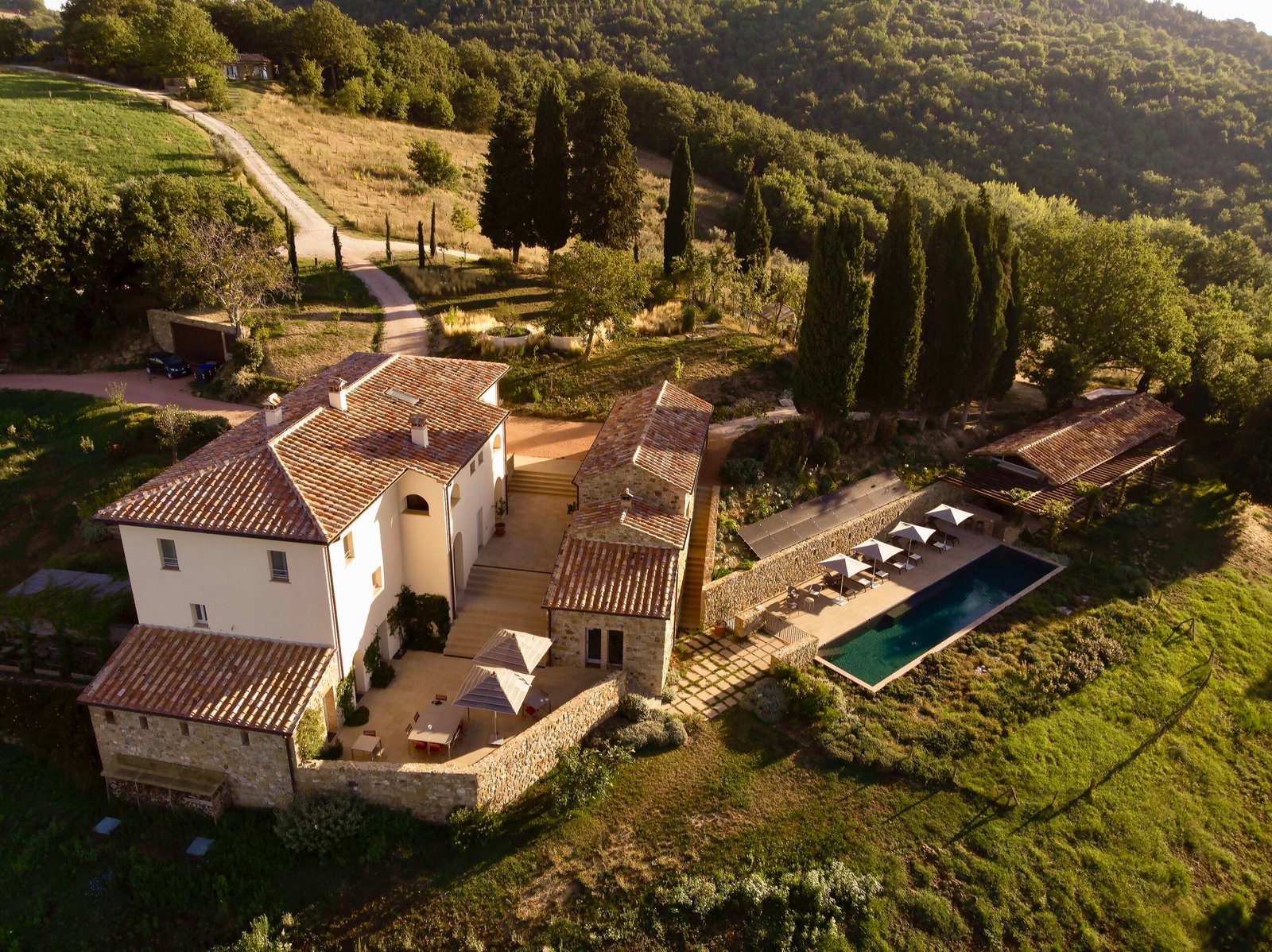
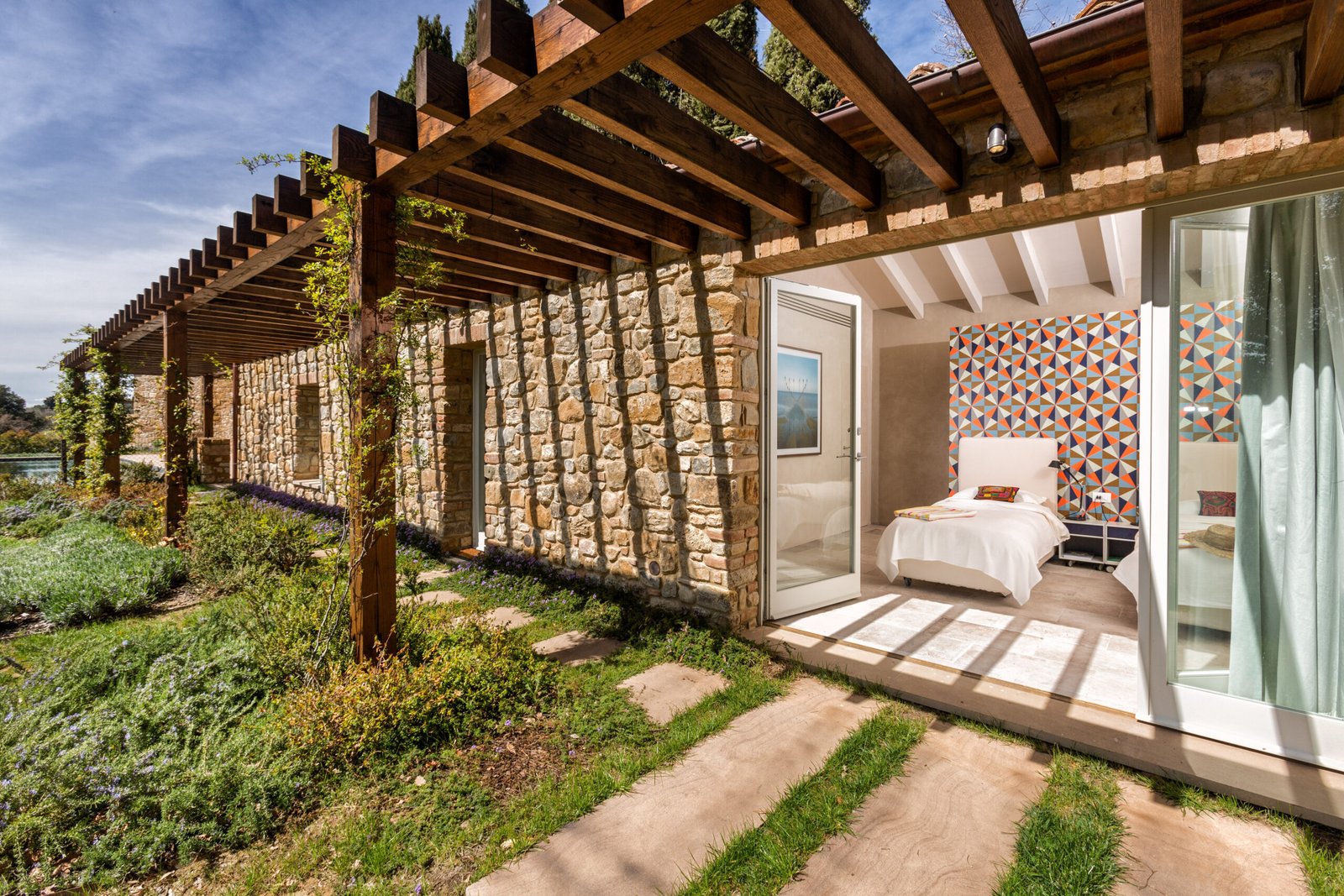
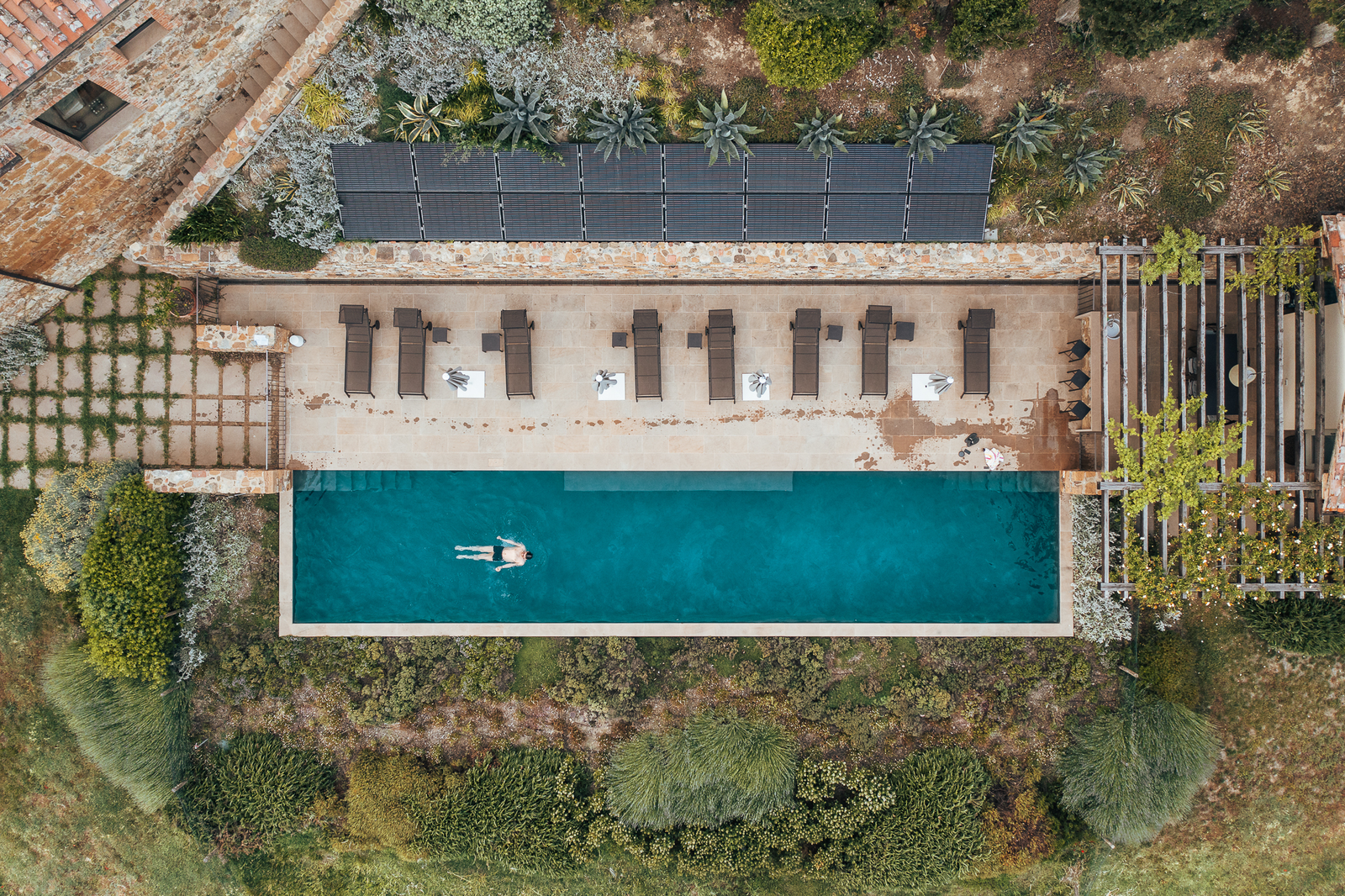
Tuscany in winter reveals its bones. The architecture, the landscape, the culture stripped of summer prettiness and tourist density. Hills turn gold and brown. Medieval towns hunker down around their piazzas. The thermal areas of southern Tuscany, around Saturnia, Montepulciano, and Rapolano Terme, become particularly compelling. Natural hot springs steam in the winter air, and many retreat programmes build January schedules deliberately around hydrotherapy, combining morning yoga with afternoon thermal bathing in a rhythm that makes complete physiological sense.
Umbria in January is quieter still, the green heart of Italy at its most contemplative. Medieval towns, monastery retreats, and the tail end of truffle season, which peaks in November and December but extends into the new year in good years. Some retreat programmes incorporate truffle experiences into their January schedules, which is a very Italian way of grounding pleasure in the seasons.
Sicily in January surprises people. Milder temperatures than the centre and north, more sunshine, and the particular quality of emptiness that makes ancient sites, the Greek temples at Agrigento, the baroque towns of Noto and Ragusa, feel genuinely accessible rather than performative. Mount Etna wears snow while the coastal towns remain comfortable for walking and outdoor practice on good days. If warmth and light matter to you in January, Sicily is the answer within Italy.
The Dolomites offer something else entirely. Snow-covered peaks, the profound quiet of mountains in winter, and an Alpine wellness approach built around contrast: vigorous outdoor activity followed by thermal recovery, cold air and warm interiors, the particular clarity of high-altitude light on snow. This is a very different kind of retreat from anything available in the south, and for the right person it’s the most restorative option January has to offer.
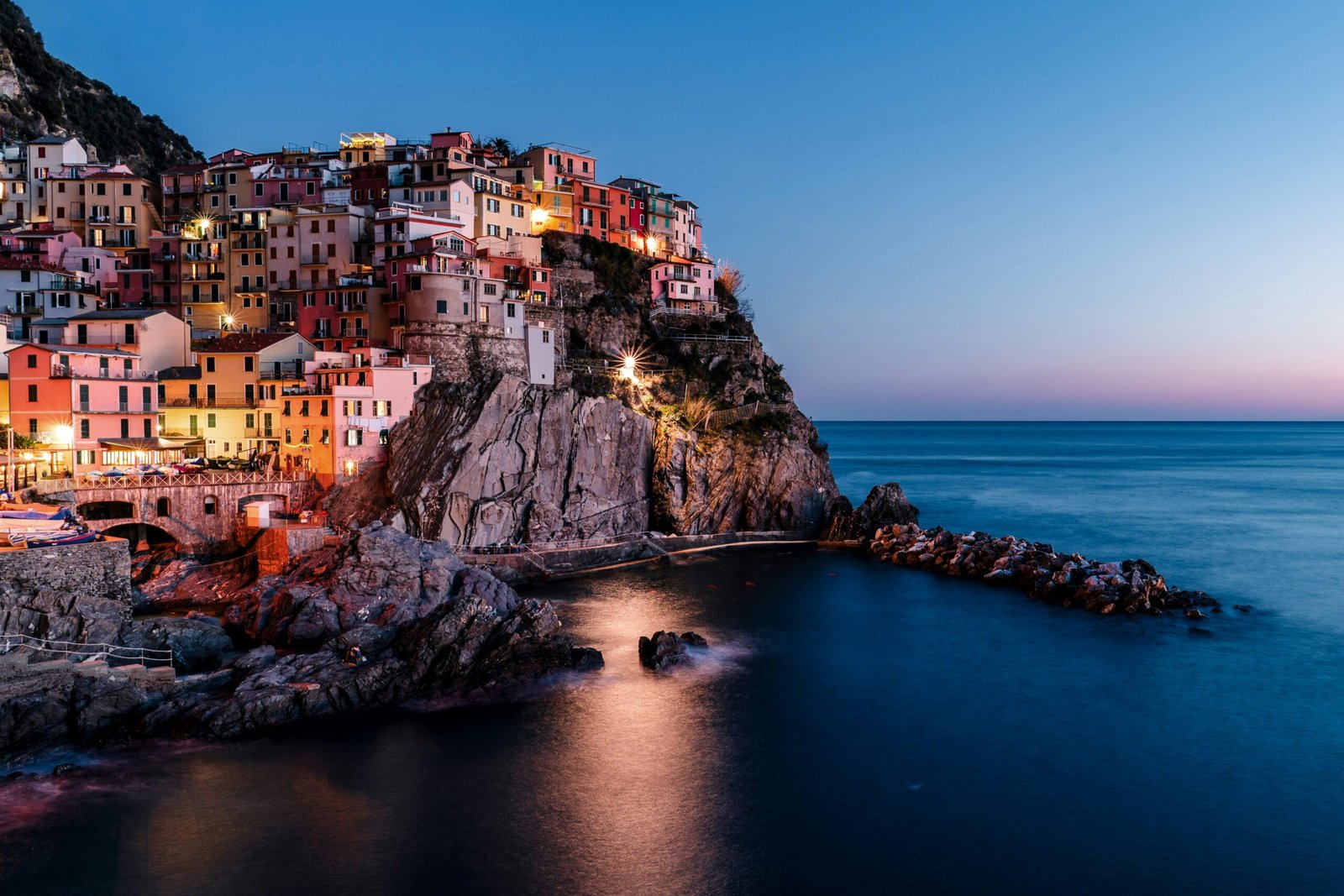
January is when Italy’s thermal tradition makes complete sense. Romans built baths across the peninsula two thousand years ago, and the practice has been continuously refined ever since. This isn’t spa culture invented last decade. It’s ancient wellness with deep physiological roots.
Saturnia’s cascading hot springs steam year-round, but in January the contrast between cold air and hot sulfurous water becomes something genuinely different from the warm-weather experience. Ischia’s thermal parks run multiple pools at different temperatures. Montecatini Terme maintains grand Belle Époque spa buildings where thermal waters have been used therapeutically for liver and digestive conditions for over a century.
The physiological case for thermal bathing is well established. Moving between hot and cold water activates the parasympathetic nervous system, reduces cortisol, improves circulation, and supports joint recovery. Many retreat programmes in thermal regions integrate bathing into the daily schedule not as an optional extra but as a core practice: morning yoga, thermal baths, lunch, rest, afternoon session, evening baths. The rhythm is deliberate and effective.
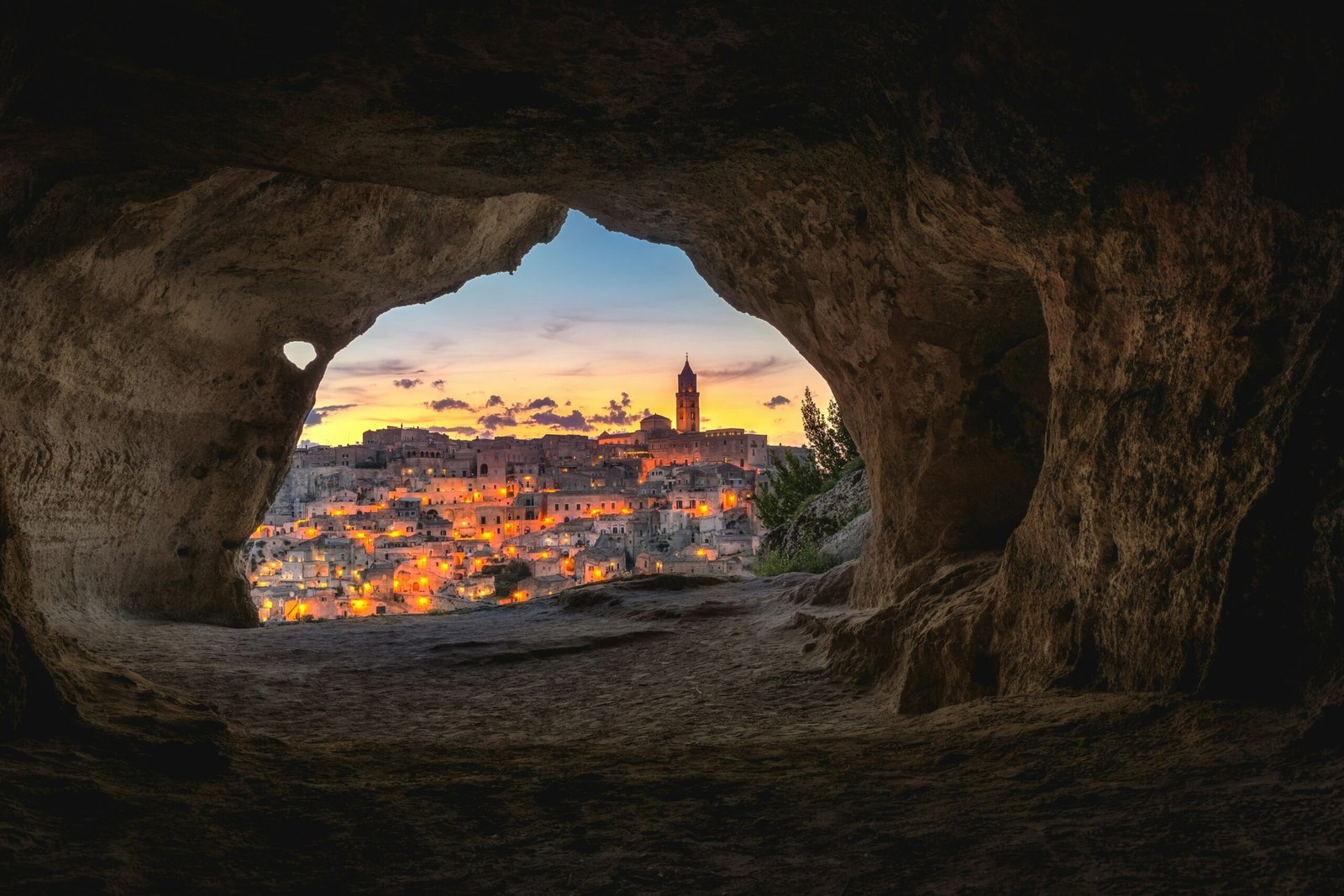
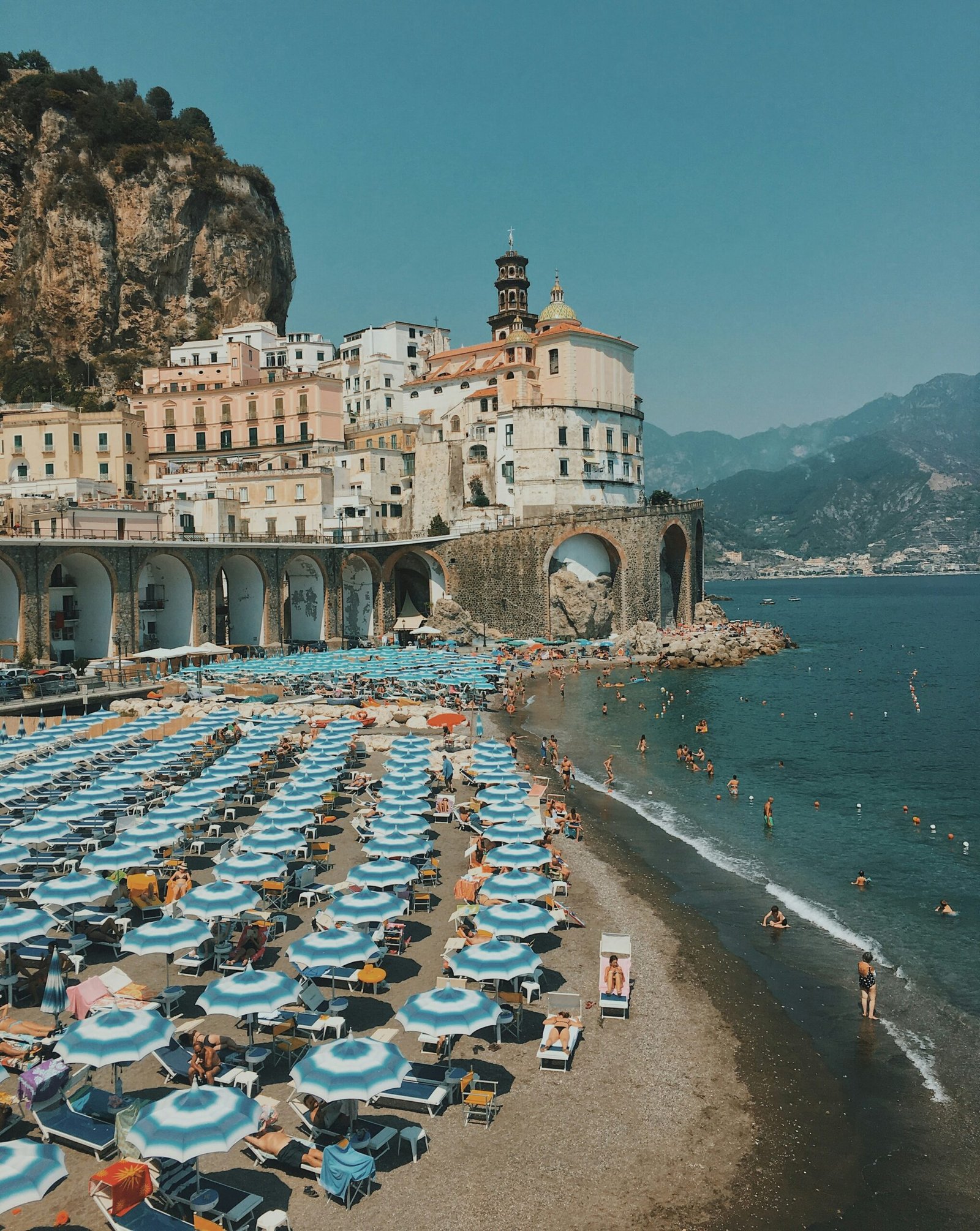
January pushes practice indoors, which Italian architecture makes remarkable. Yoga in converted monasteries with vaulted stone ceilings. Meditation in Renaissance villas with frescoed walls. These spaces carry centuries of contemplation and devotion, and that history isn’t merely aesthetic. It creates an atmosphere that supports inward-facing work in ways that purpose-built modern studios often don’t.
The season’s inward energy suits certain types of practice particularly well. Restorative and yin yoga, which ask the body to release rather than perform, feel more natural in January than in the expansive energy of summer. Pranayama and breathwork, which work with the nervous system directly, have a depth in winter practice that the distraction of warmth and outdoor living can diminish. Meditation retreats and silent programmes are almost always more available and more affordable in January than at any other time of year.
Cooking classes flourish in the winter months. Winter produce, cavolo nero, radicchio, chestnuts, citrus from Sicily, the last of the truffle season, gives Italian cuisine a different character from its summer self. Learning to make ribollita, fresh pasta, or slow-braised dishes in a Tuscan farmhouse kitchen on a grey January afternoon is a form of presence practice that most retreat participants don’t expect and consistently find one of the most memorable parts of the experience.
The difference between a January retreat and a summer retreat in Italy isn’t just weather. It’s a fundamentally different kind of experience.
Summer retreats are outward and expansive: warm evenings, outdoor practice, social energy, the sea. They suit people who want to combine restoration with the full sensory richness of Italy at its most vivid. As the season warms and the days lengthen, the energy shifts considerably.
February marks the first signs of this transition, with almond trees beginning to bloom in Sicily and the first hints of spring arriving in the south.
At the other end of the seasonal spectrum, December shares January’s quietness and affordability but adds the particular atmosphere of the festive period, a different kind of retreat experience that suits people who want cultural immersion alongside their practice.
January sits at the stillest point of the year, and for the right person that stillness is exactly what they need. People who get the most from January retreats tend to be comfortable with weather variability, drawn to cultural immersion over resort experience, and often coming from a period of sustained pressure that December’s social demands have intensified rather than relieved. If January’s quietness feels like relief rather than deprivation, this is probably exactly the right time to go.
Some rural retreat centres close between November and March, so confirming operating schedules before booking is essential. Those that remain open often run special winter programmes at reduced rates, and these tend to be among the best-value retreat experiences available anywhere in Europe.
Transport runs normally. Trains are reliable and comfortable; a hire car gives the most flexibility for countryside retreats, though mountain roads in the Dolomites and Alpine regions may require chains or snow tyres after heavy snowfall. Confirm with any mountain retreat about road conditions before arriving.
Pack for variable indoor temperatures. Italian heating systems differ from Northern European expectations: less central heating, more space heaters and fireplaces. Layers are more useful than relying on constant warmth. For the Alps and Dolomites, proper winter gear is essential. For Sicily and the southern coast, a warm jacket and rain layer are sufficient. A swimsuit is worth packing regardless of region. Thermal baths are available across the country in January and genuinely worth using even if they’re not part of a formal retreat programme.
Your email address will not be published. Required fields are marked *