
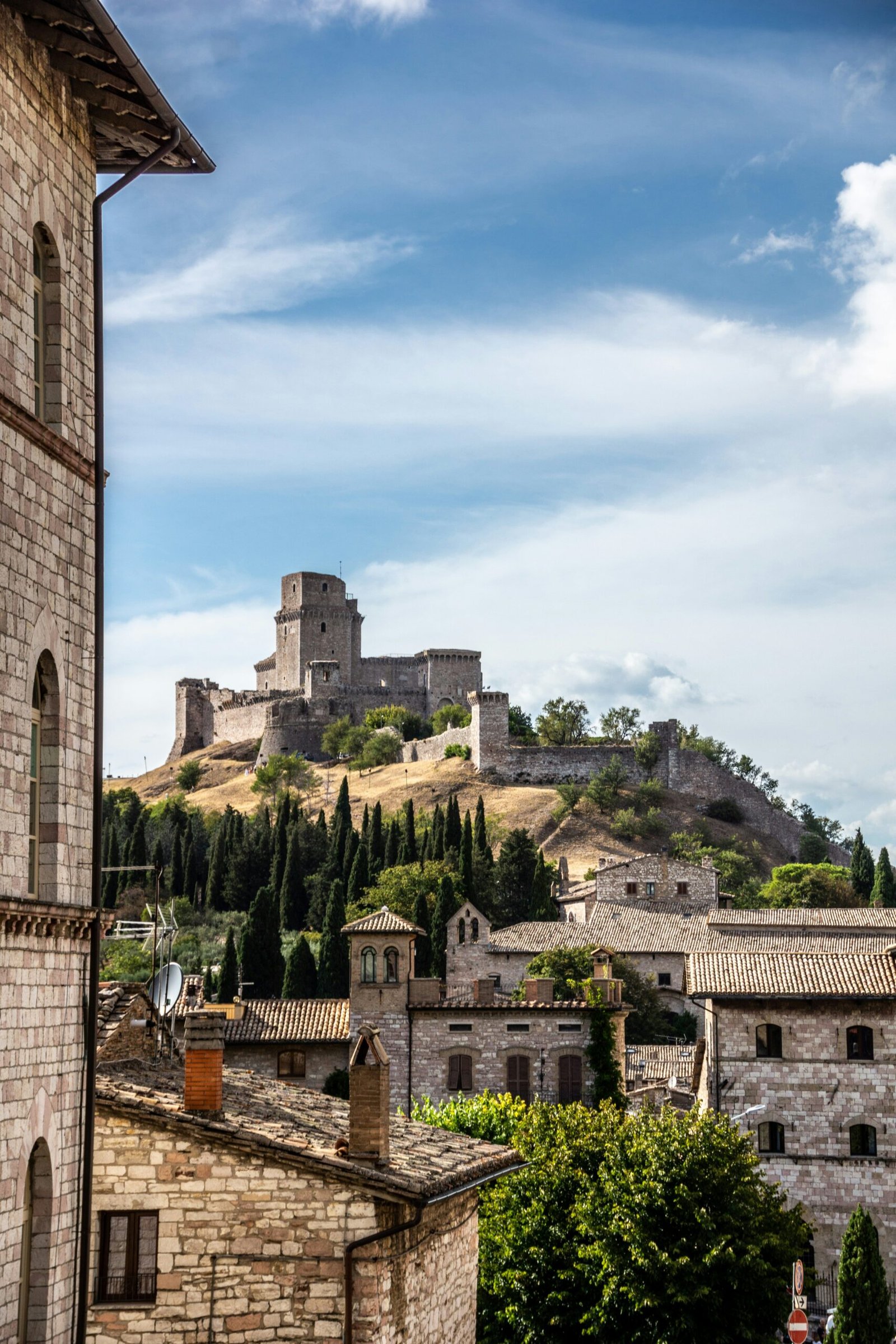
Umbria is Italy’s only landlocked region and its least touristed. Tucked between Tuscany, Lazio, and Le Marche, it has the same quality of medieval hill towns, olive groves, and forested valleys as its better-known neighbour, without the infrastructure that comes with international fame. For retreat travel, that distinction matters: fewer tour groups, quieter roads, smaller venues, and prices that are consistently 20 to 30% lower than comparable Tuscany programmes. The full range of yoga retreats in Italy covers options across the country, but Umbria is one of the strongest arguments for going somewhere most people overlook.


The region has a spiritual quality that is not manufactured for tourism. Assisi, the birthplace of Saint Francis, sits in the middle of it, and the Franciscan ethos of simplicity, proximity to nature, and attention to the present moment has shaped local culture in ways that go well beyond religious practice. Many retreat venues in Umbria are set in former monasteries or conventi, buildings that were designed for daily rhythm, communal meals, and contemplation centuries before the word “wellness” existed. That history is embedded in the architecture, and participants feel it.
The landscape is greener and more forested than Tuscany’s open hills. Chestnut woods, olive groves, and the upper reaches of the Tiber valley create a more enclosed, sheltered feel. The Valnerina in the east, the slopes of Monte Subasio above Assisi, and the shores of Lake Trasimeno in the west each have a distinct character, but all share the quality of quiet that defines the region. There is almost no heavy industry and very little urban sprawl outside of Perugia.
The food culture reinforces this. Umbrian cuisine is earthier and less wine-centred than Tuscany’s: lentils from the Castelluccio plateau, black truffles from Norcia, farro grain, handmade strangozzi pasta, and olive oil from Trevi and Spello that is among the most prized in Italy. Retreat menus built around these ingredients don’t feel like a wellness concept imposed on a place — they reflect what the land actually produces.
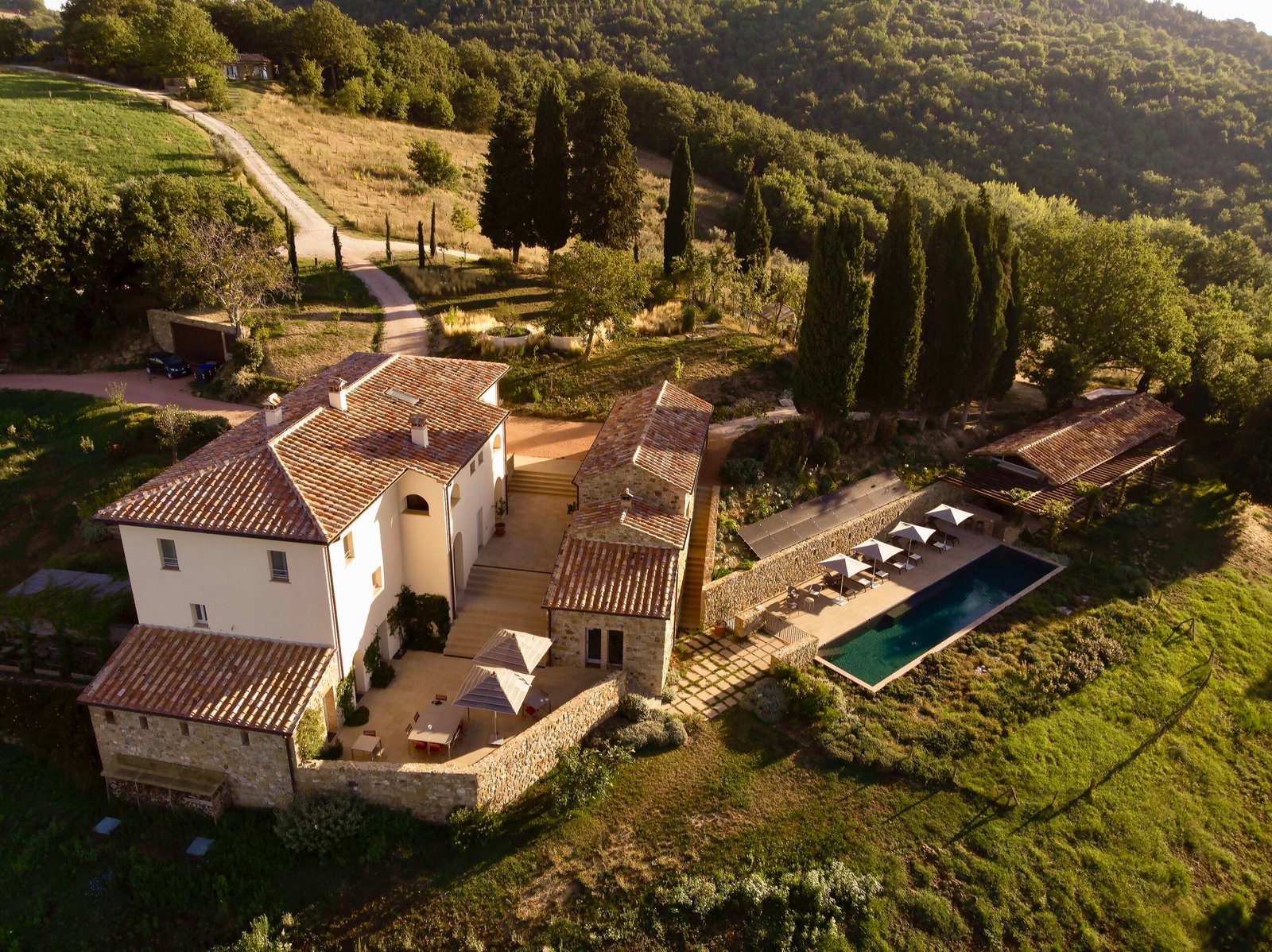
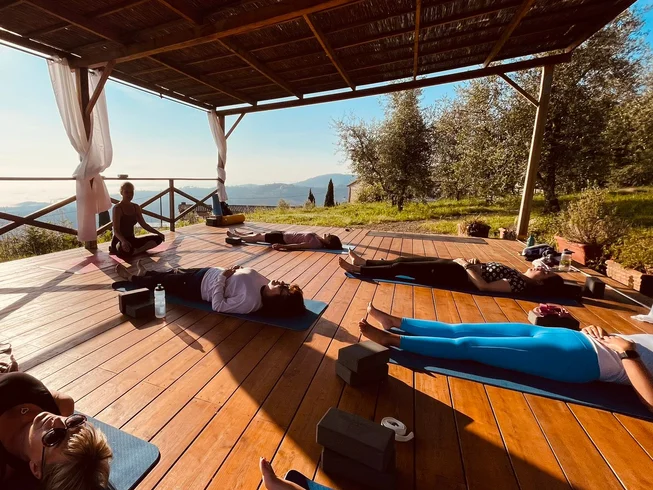
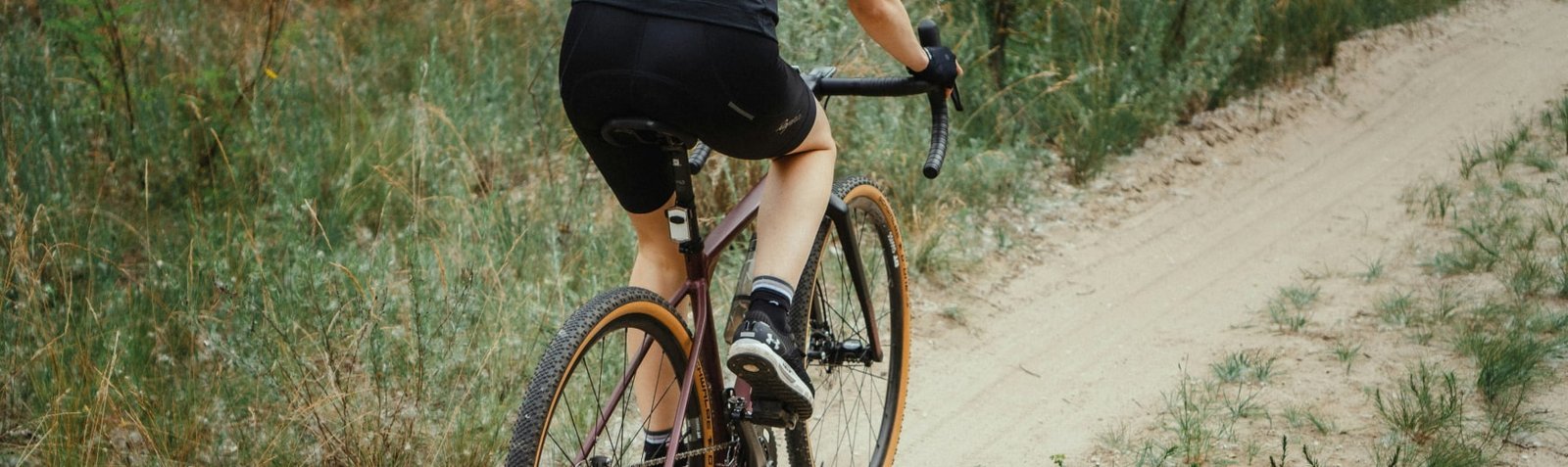
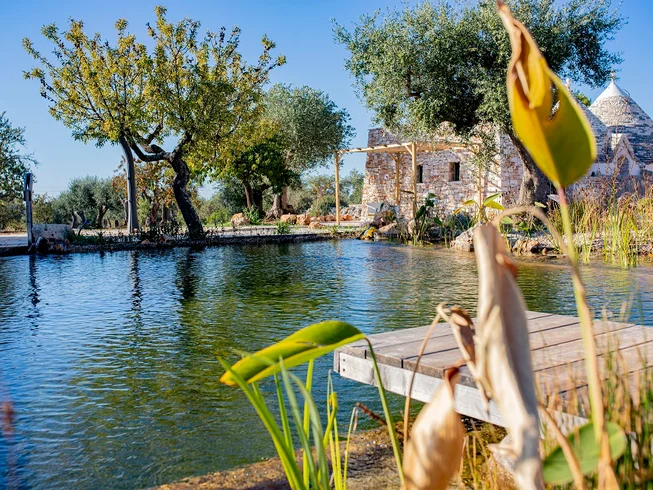
The area around Assisi is the most spiritually charged retreat environment in Italy. The town itself sits on the slopes of Monte Subasio, surrounded by olive groves and looking over the Umbrian plain. The Eremo delle Carceri, a forest hermitage above the town where Saint Francis came for solitary prayer, is a 30-minute walk from the centre and is frequently incorporated into retreat programmes as a walking meditation destination.
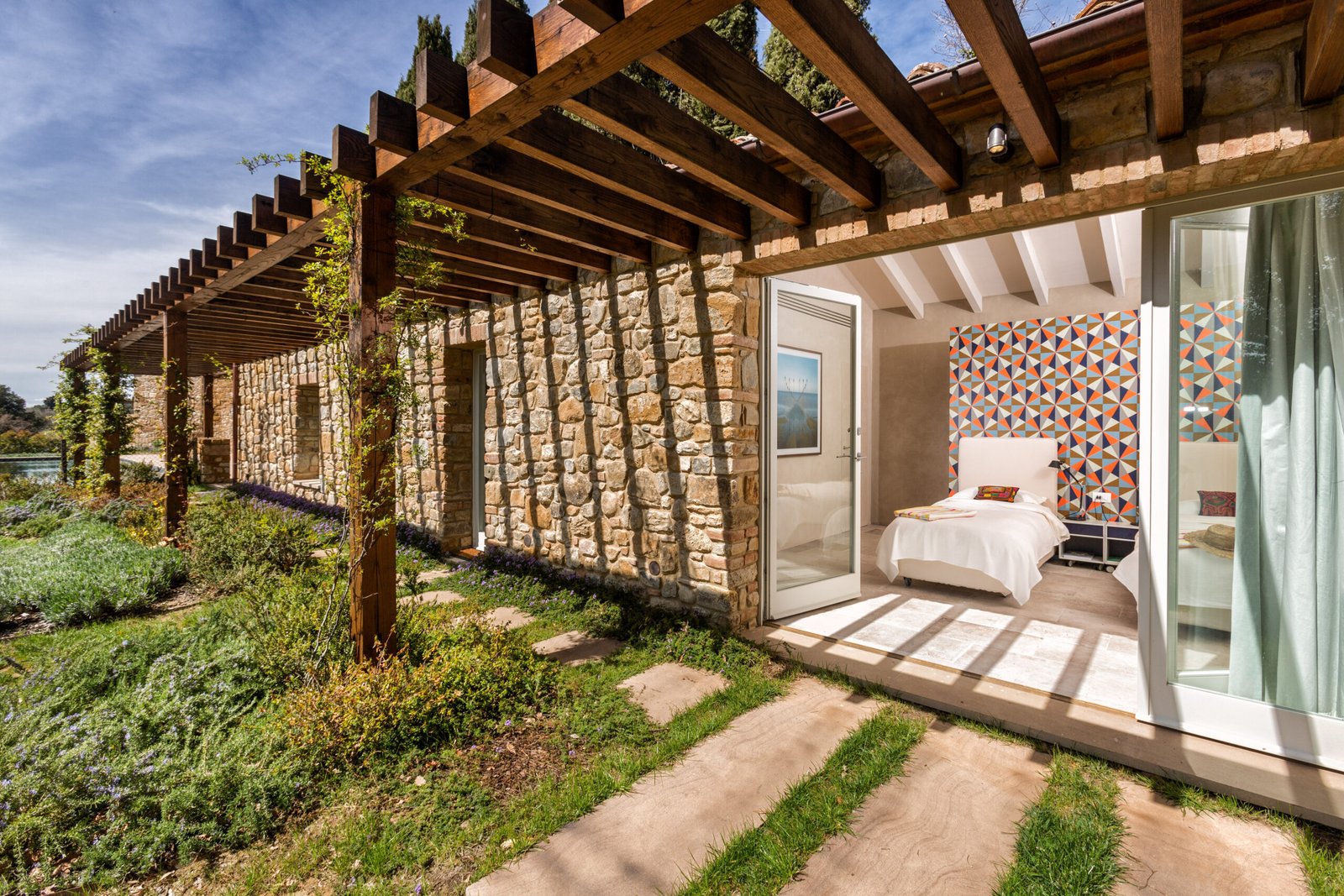
Retreat venues in this area range from converted monasteries that retain their original structure (stone cells, communal refectories, cloistered gardens) to more comfortable agriturismo properties in the surrounding countryside. The spiritual context here is tangible even for participants with no religious background — the architecture, the silence, and the quality of the surrounding land create conditions for introspection that are hard to replicate elsewhere.
Spoleto is one of Umbria’s most complete towns: a Roman amphitheatre, a medieval fortress, Romanesque churches, and a cultural calendar that includes the Festival dei Due Mondi (a major international arts festival in late June and early July). The Valnerina river valley east of Spoleto runs through some of the most remote countryside in central Italy, with stone villages, waterfalls, and truffle forests that see very few visitors outside of autumn.
Retreat venues here are typically smaller and more isolated than around Assisi. The format suits longer stays and more intensive programmes — there is less to distract you, which is either a drawback or the point depending on what you’re looking for.
Lake Trasimeno is the largest lake in central Italy, a broad, shallow expanse surrounded by soft hills and small medieval towns. The pace around the lake is slower than anywhere else in Umbria, and the landscape has a particular horizontal quality — wide water, flat light, the distant outline of hills — that creates a different kind of retreat atmosphere from the enclosed valleys further east.
Several retreat venues operate in the farmhouses and small hotels on the lake’s shores and surrounding hills. This area is also the closest to Tuscany’s border — Cortona is 30 minutes by car — making it a practical choice for participants who want Umbrian quiet with easy access to the Chianti and Val d’Orcia.
Gubbio is one of the best-preserved medieval towns in Italy and sees fewer visitors than Assisi or Orvieto despite its quality. The surrounding countryside is hilly and forested, with a cooler microclimate than the southern parts of the region. A small number of retreat venues operate in the hills around Gubbio, typically in stone farmhouses with large gardens. Best for: participants who want genuine remoteness and are willing to spend more time finding the right venue, given the smaller number of established retreat operations here.
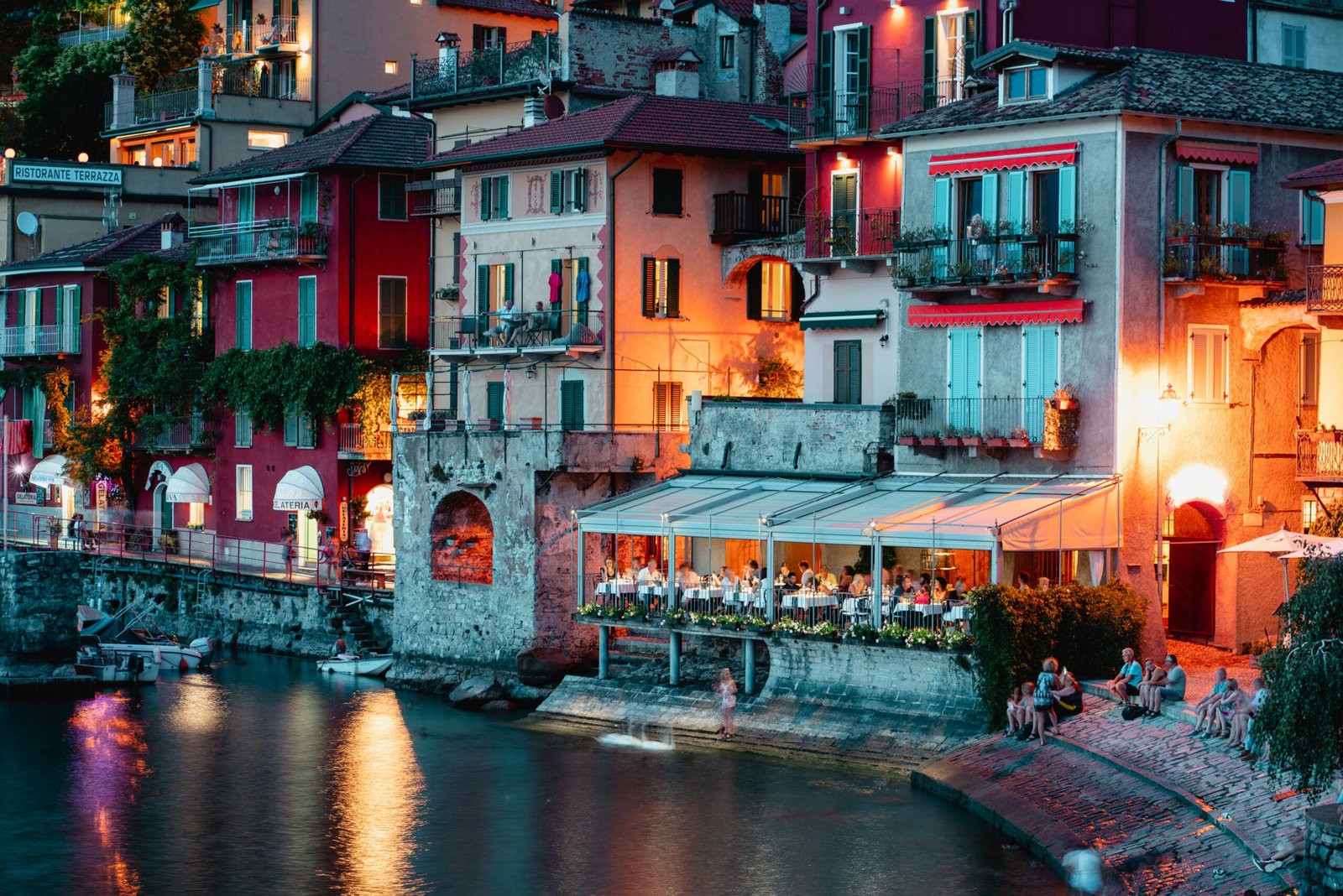
The most relevant comparison is with retreats in Tuscany. The landscapes share a character — medieval hill towns, olive groves, stone farmhouses — but the Umbrian version is quieter, more forested, and less polished. Tuscany has more retreat options and they’re easier to find; Umbria requires more research but consistently rewards it with smaller groups, fewer tourists, and lower prices for comparable quality of venue and instruction.
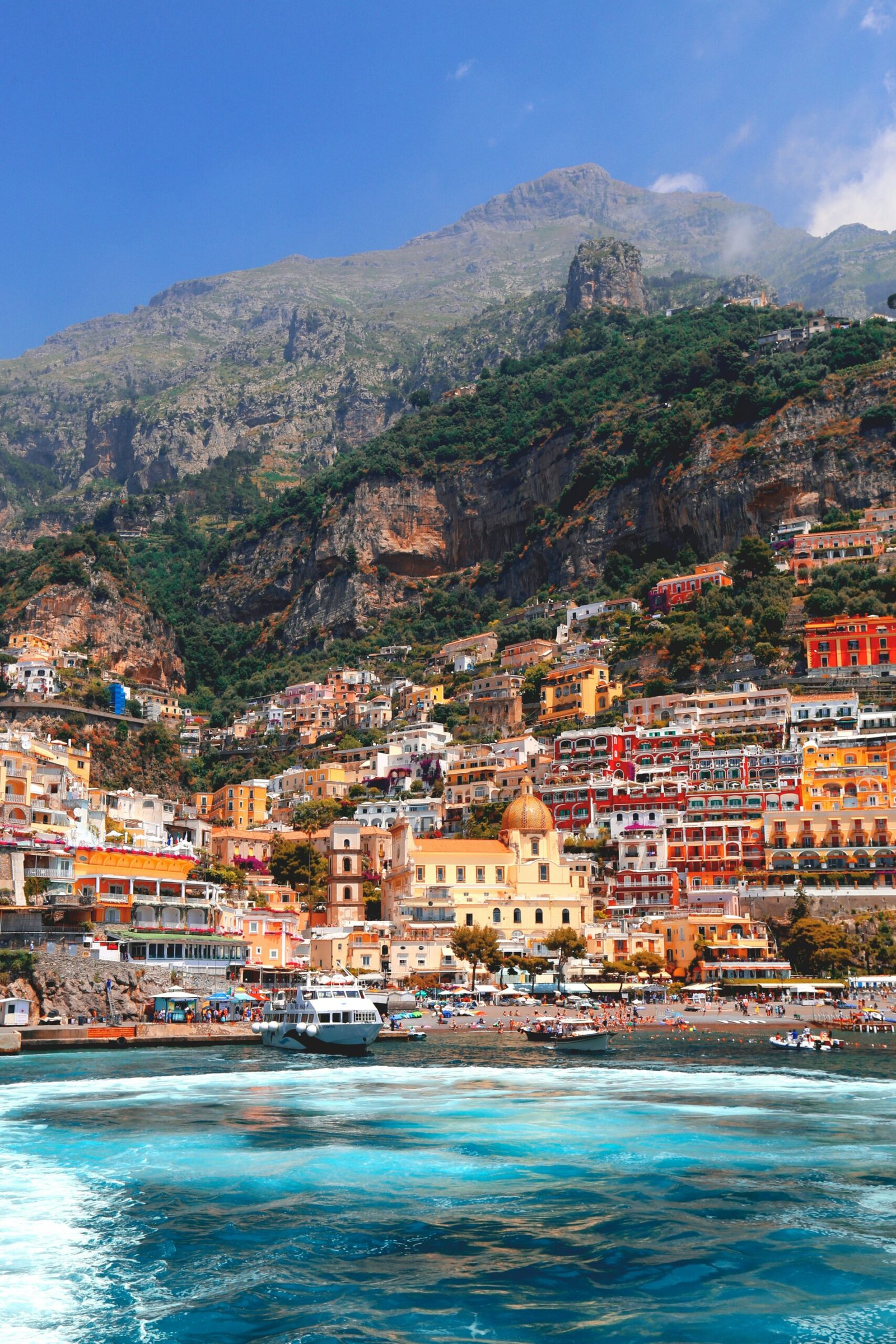
For participants whose priority is coast access or sea swimming, neither Tuscany nor Umbria delivers this — the Amalfi Coast retreats are the natural alternative for that combination. For those who want the Alps and mountain formats, the Dolomites offer something that central Italy doesn’t.
Umbria’s genuine differentiator is the spiritual infrastructure. No other Italian region has the same concentration of functioning monasteries, hermitages, and places of active contemplative life within reach of retreat venues. For participants for whom that dimension matters — regardless of religious background — Umbria is the right choice within Italy.

Perugia San Francesco d’Assisi Airport (PEG) connects to London, Brussels, and domestic hubs. Rome Fiumicino (FCO) is the most practical international gateway — about two hours by train to Perugia or Assisi, with frequent connections. Florence is also under two hours by regional train, which makes Umbria a natural continuation of a longer Italy trip.
Within the region, a hire car is strongly recommended. The retreat venues that make Umbria most distinctive are almost always on rural roads that public buses don’t serve. Most venues offer airport transfers — confirm when booking. For those without a car, the main towns (Perugia, Assisi, Spoleto, Orvieto) are connected by rail, but the countryside between them requires independent transport.
Assisi: Spiritual Stillness
The birthplace of Saint Francis, Assisi is the region’s spiritual heart.
Visit the Basilica di San Francesco, filled with Giotto’s frescoes, and hike to the Eremo delle Carceri, a forest hermitage once used for silent prayer.
Even if you’re not religious, the calm here is tangible — it feels like walking inside peace itself.
Perugia: Art, Chocolate & Culture
The capital combines medieval architecture with a young, creative energy from its university.
Don’t miss the Rocca Paolina fortress, Galleria Nazionale dell’Umbria, and the famous Eurochocolate Festival in October.
Ideal for a pre- or post-retreat city stop.
Spoleto & Orvieto
Spoleto hosts an annual festival blending art, dance, and spirituality.
Orvieto sits dramatically atop volcanic tufa rock, its cathedral among Italy’s most beautiful.
Both towns offer that rare mix of culture and calm.
Nature Escapes
– Lake Trasimeno: Soft hills, olive groves, and island ferries — a serene day trip.
– Valnerina: Waterfalls, truffle forests, and quiet stone villages.
– Monti Sibillini National Park: For those who love hiking or mindful walks among peaks and wildflowers.– Lake Trasimeno: Soft hills, olive groves, and island ferries — a serene day trip.
Why Umbria Works for Yoga & Wellness
– Silence: Unlike more touristic regions, Umbria offers uninterrupted quiet — essential for inner work.
– Spiritual Heritage: The Franciscan ethos of simplicity and kindness still shapes local life.
– Accessible but Remote: Close to Rome and Florence, yet untouched by mass tourism.
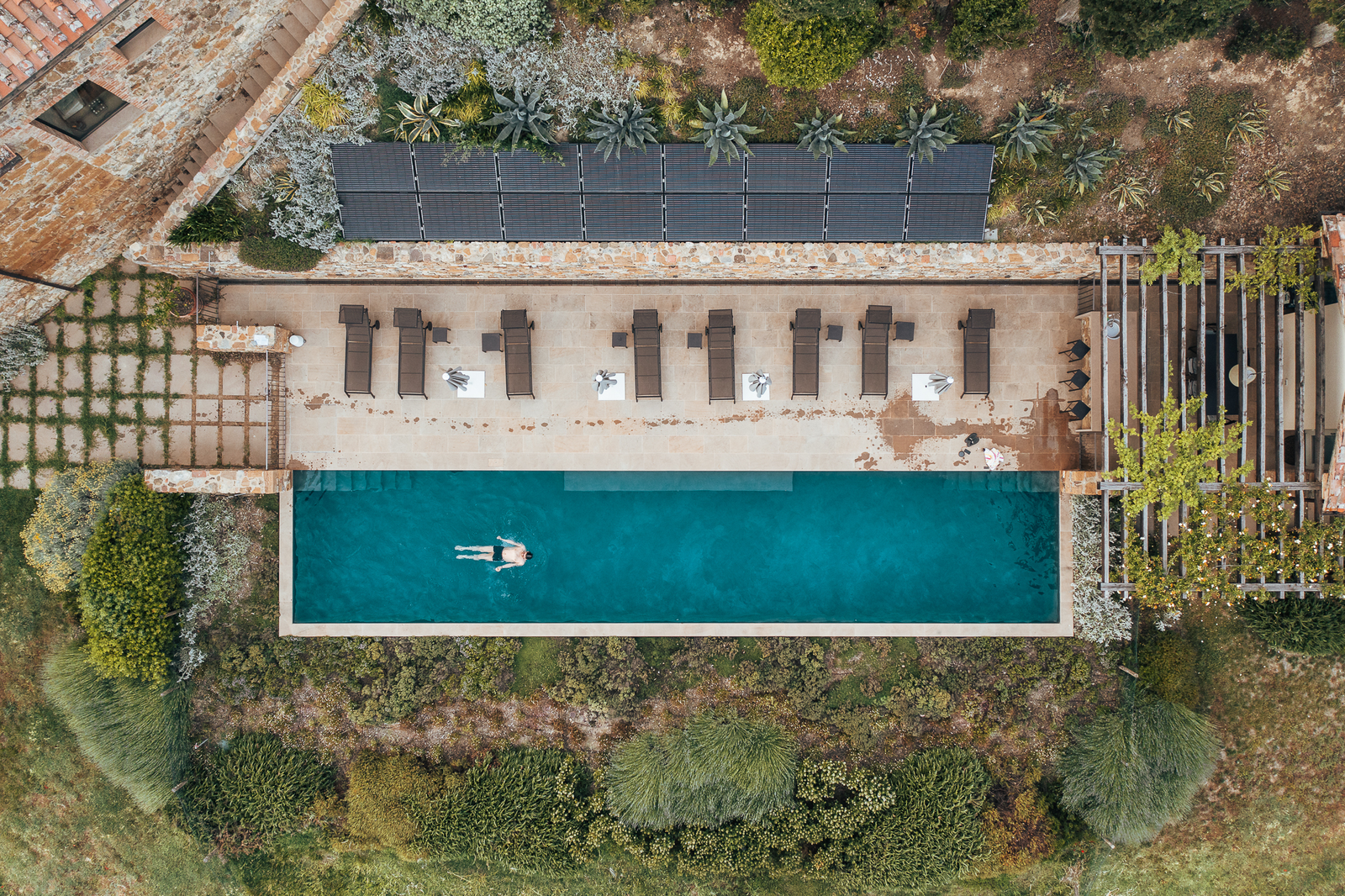
– Sustainability: Many retreat centres use solar energy, organic farming, and slow-living principles.
– Local Connection: Retreat leaders often collaborate with small producers, creating meaningful, community-based experiences.
This mix of tranquillity, spirituality, and authenticity makes Umbria one of Europe’s most holistic destinations for personal renewal.
Final Reflection
In Umbria, the retreat experience doesn’t end when the class does.
It continues in the way locals move — unhurried, kind, attentive.
It’s in the taste of olive oil pressed the week before, the echo of church bells in the distance, and the silence that feels not empty but full.
This is not the Italy of postcards but of presence — and that’s what makes yoga retreats in Umbria unforgettable:
they teach you to slow down until the world becomes audible again.
Your email address will not be published. Required fields are marked *