
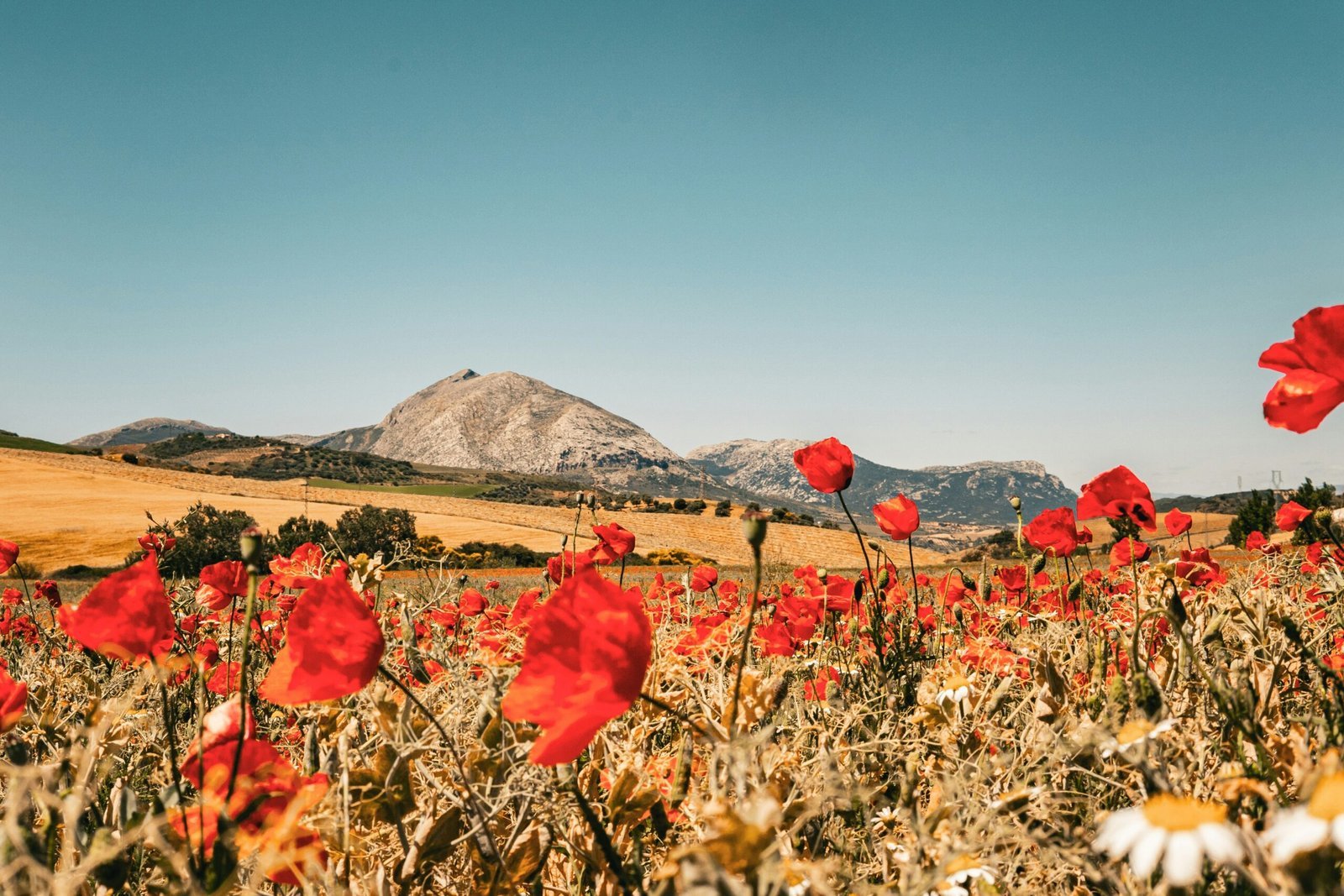
Andalusia is Spain’s southernmost region and one of its most varied — geographically, culturally, and in terms of what it offers for yoga retreat travel. Within the same region you have the high-altitude villages of the Alpujarras, the Atlantic-facing surf coast at Tarifa, the deep gorges and cork forests of the Serranía de Ronda, and the converted haciendas of the Sevillian countryside. Each has a distinct character, and the retreat experiences built around them differ considerably.
This guide covers what each area offers specifically, what to expect from a typical retreat week, when to go, and the practical details — airports, costs, transport — that matter before booking.


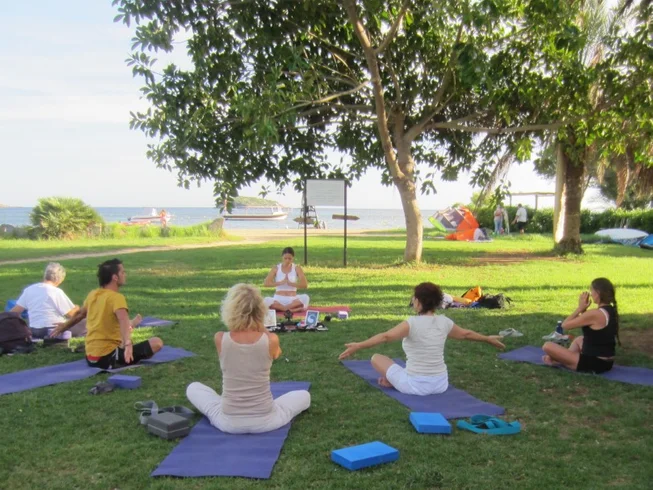
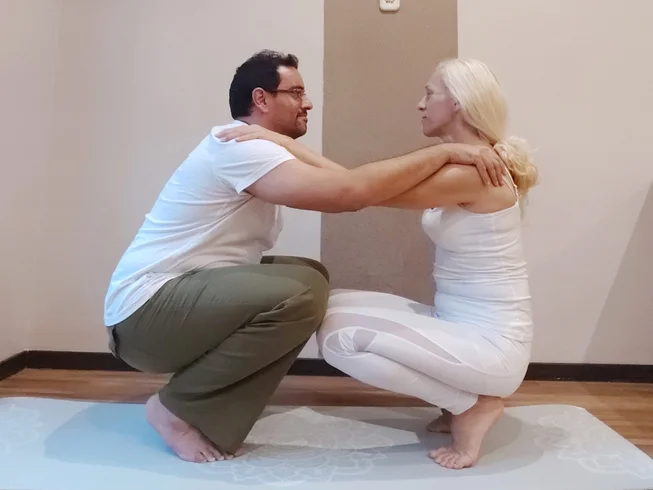
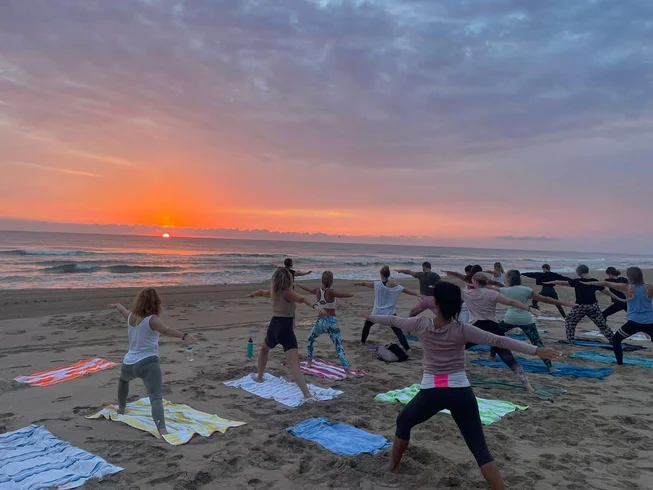
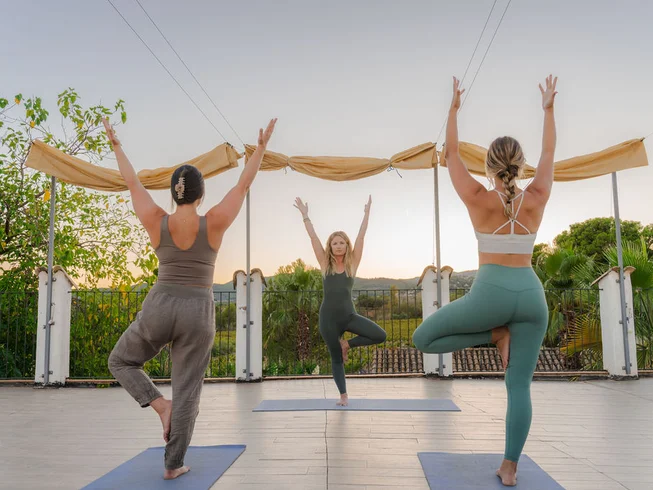
The structural case for Andalusia is strong. Málaga Airport is one of the best-connected in Spain, with direct flights from most European cities year-round — not just in summer. The climate is reliable: the region averages more than 300 days of sun annually, and winters are mild enough for outdoor practice in most areas outside the mountains. The cost of retreat programmes here is consistently lower than equivalent offerings in France, Italy, or the UK.
Beyond logistics, the region has a cultural relationship with slowness that makes the retreat context feel less contrived than in more commercially driven destinations. The concept of tranquilidad — a genuine, unhurried calm — is built into the daily pace of Andalusian life. Shops close for the midday meal because it’s time to eat, not as a lifestyle statement. That ambient pace supports the retreat intention without requiring the programme to manufacture it artificially.
The architecture helps too. Whitewashed cortijos with thick walls that stay cool in summer, inner courtyards with fountains, rooftop terraces facing west for sunset — these are the natural settings of Andalusian rural life, and they translate directly into effective retreat environments.

Andalusia’s geography teaches contrast—snow on the Sierra Nevada while palms wave on the Costa Tropical. The same variety shapes its retreat scene.
Warm winters and nine months of reliable sun allow outdoor practice almost year-round.
Local culture already values tranquilidad (calm) and community meals, two pillars of mindful living.
Even the architecture supports serenity: whitewashed walls, inner patios, and rooftop terraces where evening classes glow pink with sunset.
The most common mistake is treating Andalusia as a single destination. The Alpujarras, Tarifa, Ronda, and the Sevillian countryside are genuinely different experiences — in landscape, character, pace, and what they ask of you. Match the area to what you need: altitude and nature for the mountains, ocean energy for the coast, quiet countryside for Ronda, cultural depth and short formats for the Seville hinterland.
Browse Om Away’s curated yoga retreats in Spain, including programmes across Andalusia — reviewed for quality of teaching, setting, and programme structure.
The Alpujarras are a series of terraced villages on the southern slopes of the Sierra Nevada, between Granada and the Mediterranean coast. The altitude (most villages sit between 800 and 1,400 metres) keeps temperatures significantly cooler than the coast, even in July and August — which makes this one of the few inland Andalusian areas where summer retreats work comfortably.
The landscape is distinctive: deep ravines, almond and chestnut groves, Moorish irrigation channels still in use, and mountain air that has a genuine quality to it at altitude. Retreat venues tend to be small eco-lodges or rural houses with organic gardens and mountain-spring water. The format leans toward hiking-and-yoga combinations, with morning practice on terraces overlooking the valley, afternoon walks through the hills, and communal dinners prepared with locally grown produce.
This is the most culturally layered part of Andalusia — Moorish, Spanish, and increasingly international — and that texture comes through in the retreat experience. Best for: nature immersion, active retreats, summer programmes when the coast is too hot, and anyone interested in the historical depth of the region.
Tarifa sits at Europe’s southernmost point, where the Atlantic meets the Mediterranean and the African coast is visible on clear days less than 15 kilometres away. It is consistently one of the windiest places in Europe, which makes it the continent’s premier destination for kitesurfing and windsurfing — and gives it an elemental, exposed character unlike anywhere else in Spain.
Yoga retreats here are built around the ocean and the wind rather than despite them. Morning practice faces east over the Strait; afternoons are for the water — surfing, wild swimming, coastal walks along some of the longest undeveloped beaches in Spain. Teachers in Tarifa frequently incorporate breathwork and elemental themes into their programmes, which fit the environment naturally.
The town itself has a bohemian, international character — surf shops, organic cafés, a mix of Spanish locals and northern European long-term residents. The retreat atmosphere is more social and active than in the mountains. Best for: surf-and-yoga, active wellness formats, people who want the energy of a coastal community alongside their practice.
Ronda is one of Andalusia’s most dramatic towns — built on the edge of a gorge, with a 100-metre drop from the old town to the valley below. The surrounding Serranía de Grazalema is a natural park of cork oak forests, limestone peaks, and some of the highest rainfall in Spain, which produces an unusually lush landscape for Andalusia.
Retreat venues in this area tend to be small boutique properties — converted farmhouses and rural hotels among vineyards and olive groves. The format suits restorative and silent programmes: the landscape is beautiful but quiet, the nearest tourist crowds are in Ronda town, and the countryside feels genuinely removed. Group sizes are typically small. Best for: restorative yoga, silent retreats, couples, and anyone who wants the Andalusian countryside without the summer heat of the lower elevations.
The rural areas around Seville and Córdoba host a different kind of retreat — typically shorter in format (weekend to four days) and oriented toward professionals from Madrid, Lisbon, and northern Europe looking for a quick reset. Old haciendas with jasmine-covered pergolas, orange groves, and tiled courtyards provide the setting; the programmes tend to blend yoga and meditation with Andalusian cuisine, local wine, and cultural elements.
These are not remote wilderness retreats — the cities are close and the surroundings are agricultural and managed rather than wild. What they offer is a high quality of Andalusian architectural character combined with accessible formats for people who can’t take a full week. Best for: weekend escapes, digital detox short stays, first-time retreat travellers, and those combining a retreat with time in Seville or Córdoba.
Less well known than the Costa del Sol to its west, the Costa Tropical between Almuñécar and Salobreña has a sheltered microclimate — protected by the Sierra Nevada behind it — that allows subtropical crops (avocados, mangoes, custard apples) to grow at sea level. The coastline is rockier and less developed than the mainstream Andalusian coast, and the combination of mountain backdrop and warm sea makes it a natural setting for yoga retreats that want both altitude access and coastal swimming.
A small number of retreat venues operate here, often combining the Alpujarras (30 minutes inland) with the coast in a single programme. Best for: mixed-environment retreats combining mountain and sea, and anyone who wants the Alpujarras experience with warm-water swimming access.
Across the different areas, well-run Andalusian retreats share a similar daily structure shaped by the climate. Morning practice begins early — before the heat builds — typically between 7 and 8am. This is usually the more active session: Vinyasa, Hatha, or a dynamic flow that uses the cool morning air and the quality of early light.
Breakfast is a social meal. Local oranges, olive oil, homemade bread, Spanish cheese, seasonal fruit. Eaten slowly, usually outdoors. The late morning might include an optional workshop — breathwork, anatomy, a meditation technique, or something more culturally rooted like flamenco rhythm explored as a movement practice.
The long midday pause is non-negotiable in summer inland areas — temperatures between 1 and 5pm make outdoor activity impractical. This is rest time, nap time, or reading time. On the coast and at altitude it’s less extreme, but the pause remains part of the structure because it reflects how the region actually works.
A restorative or Yin session in the late afternoon closes the practice day. Evening meals are communal and unhurried — gazpacho, grilled vegetables, fresh fish on the coast, slow-cooked meat dishes inland. Group sizes stay small enough for the table to feel like a conversation rather than a catering operation.


Your email address will not be published. Required fields are marked *