
Best Yoga and Wellness Retreats in Morocco in July 2026
July is Morocco at its most intense. The interior is genuinely hot—not vacation hot, but local-people-leave-the-cities hot. The coast and high mountains remain viable, but this is definitely summer in a North African country, and you need to know what you’re getting into before booking.
That said, if you choose correctly, July offers unique experiences. Tourist numbers drop significantly, prices can be better, and you get Morocco without the international crowds. The key is matching location to heat tolerance.
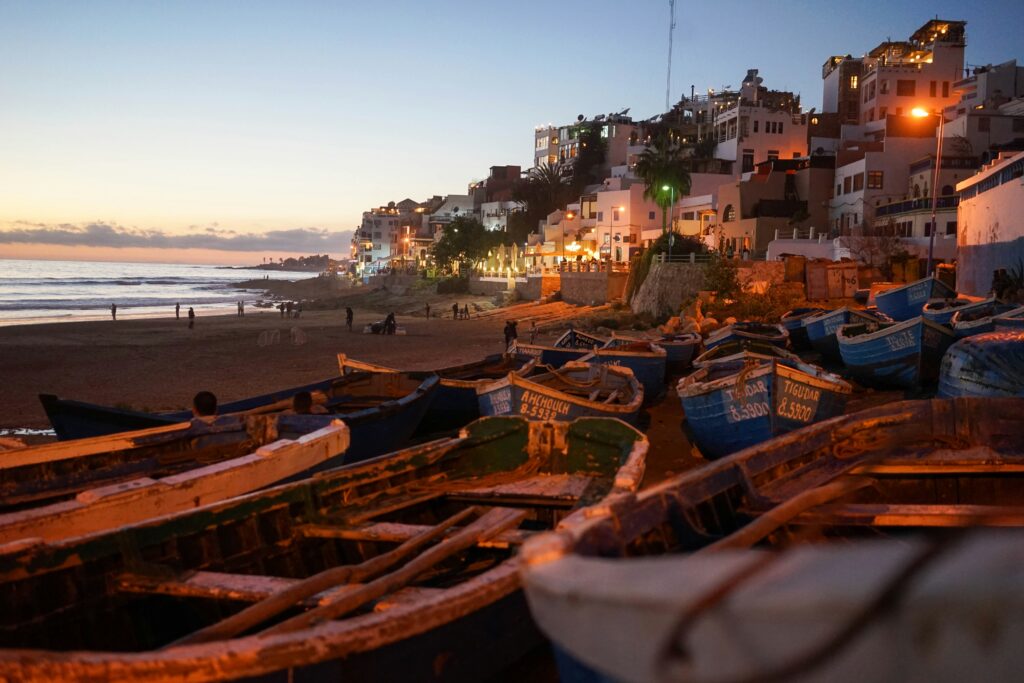
Our Selection of Yoga and Wellness Retreats in Morocco for July 2026

9 Day Sahara Soul Journey Luxury Yoga Retreat with Cultural Tours in Morocco
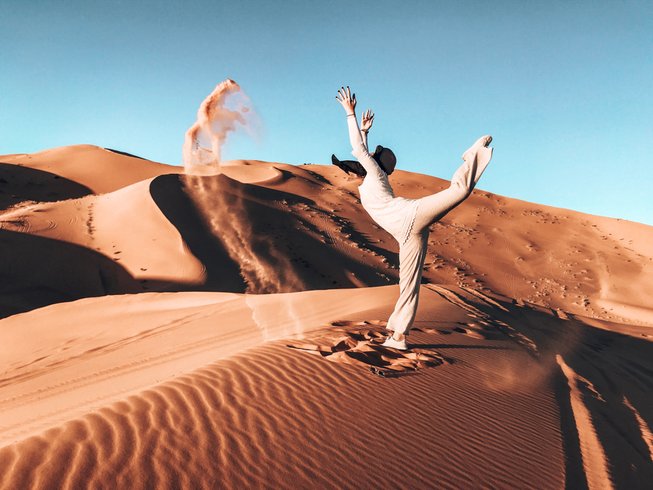
10 Day Unforgettable Luxury Yoga Trip, Culture and Nature Adventure in South of Morocco
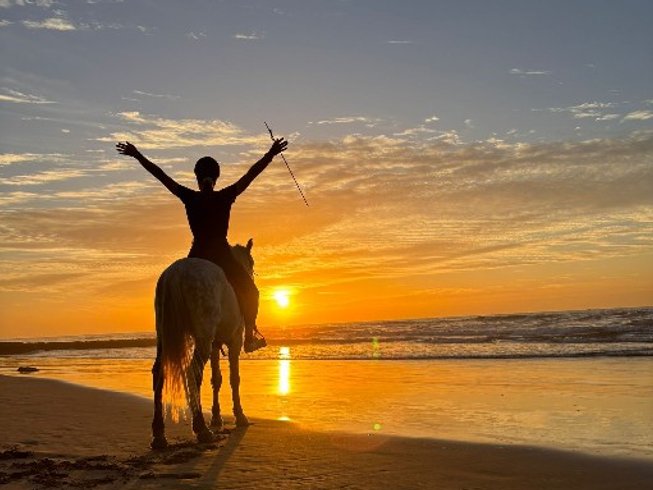
8-Day All-Inclusive Horse Riding Holiday With Yoga and Stretching in Oceanfront Riad, Agadir Morocco

4 Day Yoga Retreat in Marrakech Oasis, Morocco

6 Day ‘Body & Mind Awareness’ Yoga Holiday in the Atlas Mountains, Morocco
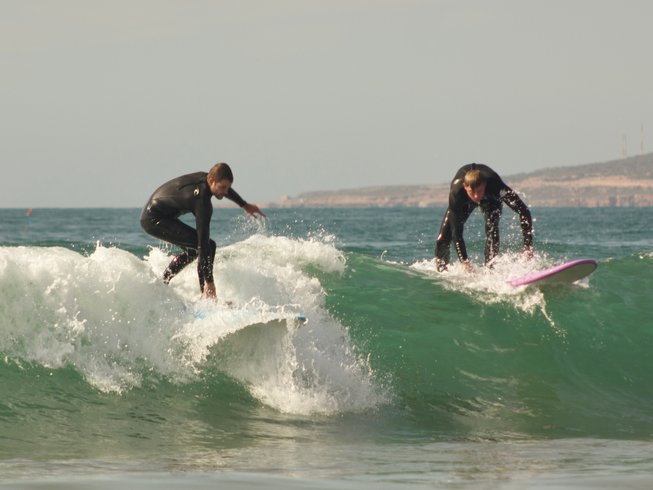
7 Day Surf and Yoga Package with Personalized Beginner Surf Coaching in Taghazout, Morocco
The Heat Reality
Marrakech and interior cities regularly hit 35-40°C in July, sometimes pushing past 42°C during heat waves. This isn’t exaggeration—this is why Moroccans with means leave these cities in summer. The air shimmers. Midday streets empty. Even locals avoid unnecessary outdoor time.
Traditional riads with their thick walls and interior courtyards stay cooler than modern buildings, but you’re still talking 30°C indoors without air conditioning. Pools become essential, not recreational—you’ll be in water multiple times daily just to function.
The Atlas Mountains offer genuine refuge. High altitude locations stay 22-30°C—still warm but manageable. The air is dry and clear. Nights cool enough for comfortable sleeping. This is why mountain retreats thrive in July while lowland locations struggle.
The Atlantic coast remains the other comfortable option. Essaouira stays 24-28°C with constant breeze. The water warms to 20-21°C—actually pleasant for swimming. Agadir and southern coast reach 26-30°C but ocean proximity moderates extremes.
The Sahara essentially becomes off-limits for most people in July. Daytime temperatures regularly exceed 45°C, which is why most desert camps close entirely for the summer. The few camps that do remain open are specifically catering to extreme experience seekers who find genuine meaning in the challenge of the heat.
Adapted Summer Living
July retreats in hot locations require complete schedule adjustment. Dawn practice at 5:30 or 6 AM—you want to finish before real heat arrives. Light breakfast. Perhaps one morning activity. Then everyone retreats to coolest spaces until late afternoon.
This creates a different retreat rhythm—more contemplative, more restful, necessarily inward during peak heat. Reading, journaling, massage, quiet conversation in shaded courtyards. The practice becomes as much about accepting and working with conditions as formal yoga sessions.
Evening finally brings relief. As the sun sets and temperature drops (relatively), energy returns. Evening practice sessions, rooftop meditation, late dinners that extend for hours as no one wants to leave the cooling air. The long daylight—sunset after 8 PM—means extended conscious time even with adjusted schedules.
Where July Makes Sense
The Atlas Mountains are the obvious choice for active July retreats. Trekking remains comfortable, the scenery is spectacular, and you avoid heat stress entirely. Mountain villages see their peak season as people escape lowland heat.
Essaouira and Atlantic coast retreats work beautifully. The wind that feels excessive in spring becomes essential in July. The beach actually becomes appealing—water temperature is finally warm enough for comfortable swimming. The medina maintains its charm without the crowds.
Some Marrakech retreats function well if they’re designed for summer—excellent air conditioning, multiple pools, extensive shaded gardens, hammam facilities. These create oases where the external heat barely penetrates. The experience becomes about sanctuary and interior space rather than exploration.
Desert experiences are limited to the hardiest souls or those specifically seeking extreme conditions. This isn’t judgment—some people find power in the intensity. But it’s definitely not casual wellness tourism.
July’s Silver Linings
International tourist numbers plummet in July. Europeans escape to cooler destinations, and Americans typically haven’t discovered Morocco’s seasons. You get significantly more authentic experiences—interactions with locals, medina life without tour groups, real sense of place.
Prices often drop in July, especially in interior locations. Riads and retreats that charge premium rates in spring offer deals to attract business during slow season. Value-conscious travelers can access luxury experiences at moderate prices.
The intensity creates bonding. A group sharing the experience of July Morocco develops camaraderie. There’s humor in the heat, shared strategy about managing it, collective appreciation when evening finally brings relief.
Some people genuinely love the heat. If you’re from already-hot climates or simply don’t mind warmth, July Morocco isn’t suffering—it’s just…hot. And everything else Morocco offers remains available.
Who Should Consider July
Heat-tolerant people who can adjust schedules and don’t need constant activity. July works if you’re comfortable with slower rhythms, indoor time, and the reality that some experiences (desert, extensive medina exploration) aren’t practical.
Mountain or coastal retreat seekers have excellent options in July. These locations remain genuinely pleasant while offering significant advantages—fewer crowds, better prices, more authentic interactions.
Budget travelers might find July attractive. The combination of lower prices and reduced crowds can offset heat challenges, especially at coast or altitude.
People specifically seeking interior space and contemplation. The heat forces a different pace that some practitioners find valuable—less doing, more being. July becomes retreat in the fullest sense.
Choose location carefully. Browse July retreats for mountain coolness, coastal breezes, or intense summer sanctuary experiences.
Related Articles
Discover our seasonal guides: yoga and wellness retreats in Morocco in Spring, yoga and wellness retreats in Morocco in Summer, yoga and wellness retreats in Morocco in Autumn, and yoga and wellness retreats in Morocco in Winter.
Explore our monthly guides: yoga and wellness retreats in Morocco in January, yoga and wellness retreats in Morocco in February, yoga and wellness retreats in Morocco in March, yoga and wellness retreats in Morocco in April, yoga and wellness retreats in Morocco in May, yoga and wellness retreats in Morocco in June, yoga and wellness retreats in Morocco in July, yoga and wellness retreats in Morocco in August, yoga and wellness retreats in Morocco in September, yoga and wellness retreats in Morocco in October, yoga and wellness retreats in Morocco in November, and yoga and wellness retreats in Morocco in December.
For a complete overview, visit our complete guide to yoga and wellness retreats in Morocco.
