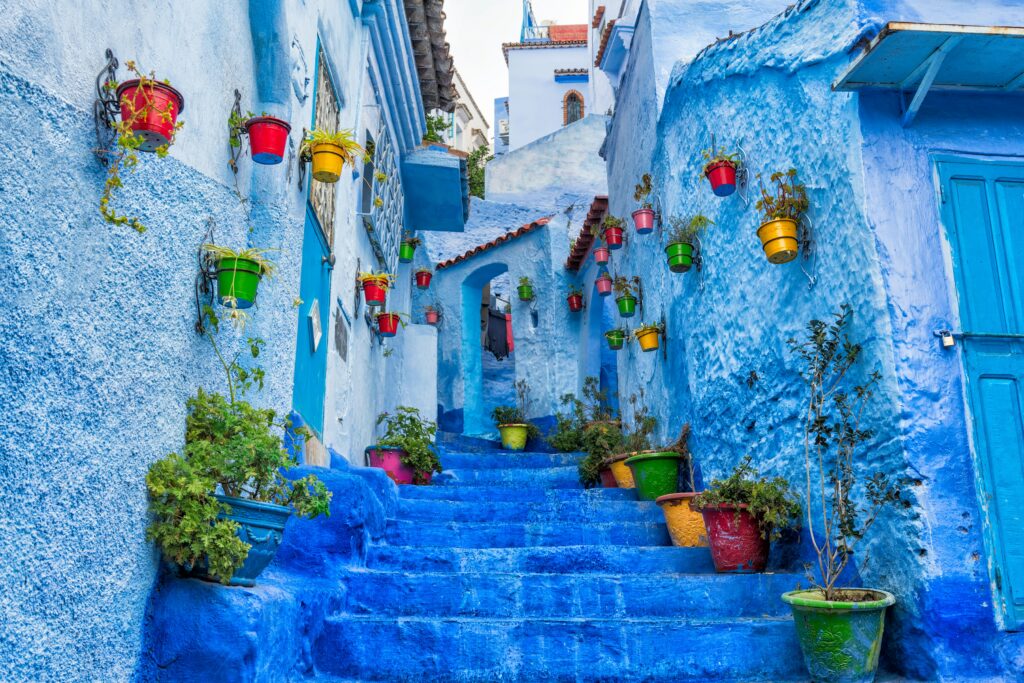
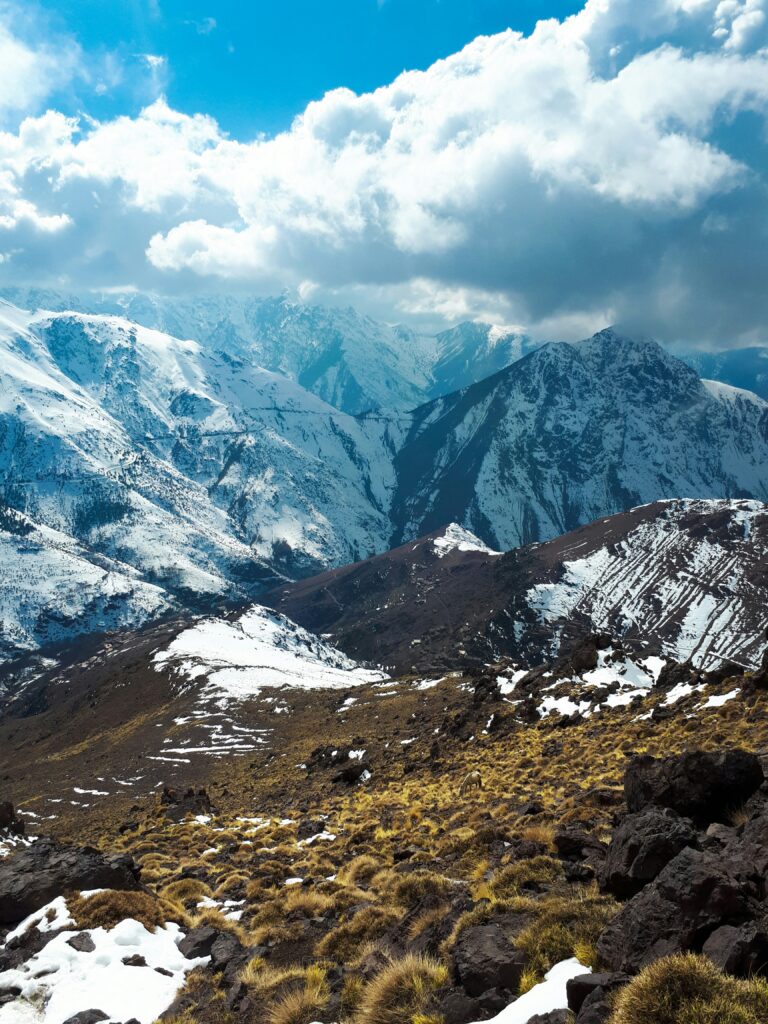
Just ninety minutes from Marrakech’s chaos, the High Atlas Mountains rise to over four thousand meters, creating landscapes that feel worlds away from the city’s intensity. Berber villages cling to mountainsides where they’ve stood for centuries, terraced gardens cascade down valleys fed by snowmelt, and peaks remain snow-capped well into June. The air here is different—thinner, crisper, somehow cleaner in a way that makes every breath feel more potent and every view stretch further than physics should allow.

Yoga retreats in the Atlas occupy converted kasbahs, traditional guesthouses, and purpose-built eco-lodges that blend into the landscape rather than dominating it. Many sit at elevations between twelve hundred and two thousand meters—high enough to escape lowland heat and gain mountain energy, not so high that altitude becomes uncomfortable. The remoteness itself becomes part of the practice, the distance from everything familiar creating natural conditions for turning inward.
Our selection of yoga and wellness retreats in the Atlas
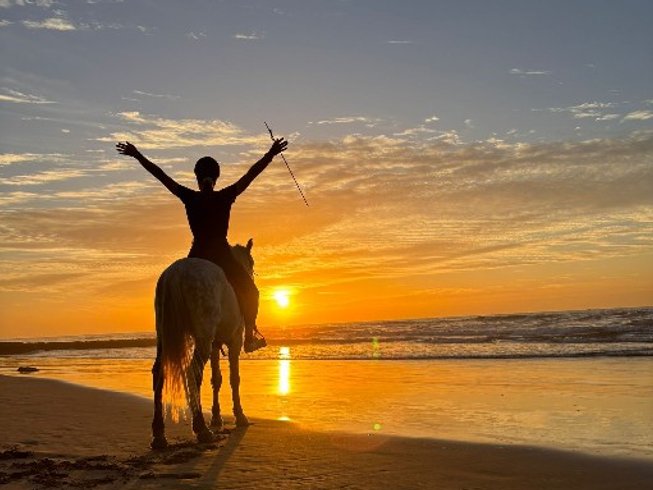
8-Day All-Inclusive Horse Riding Holiday With Yoga and Stretching in Oceanfront Riad, Agadir Morocco

9 Day Sahara Soul Journey Luxury Yoga Retreat with Cultural Tours in Morocco

4 Day Yoga Retreat in Marrakech Oasis, Morocco
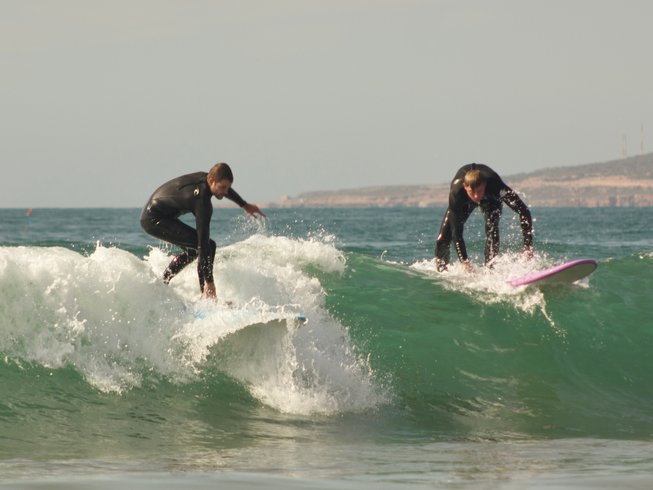
7 Day Surf and Yoga Package with Personalized Beginner Surf Coaching in Taghazout, Morocco

6 Day ‘Body & Mind Awareness’ Yoga Holiday in the Atlas Mountains, Morocco
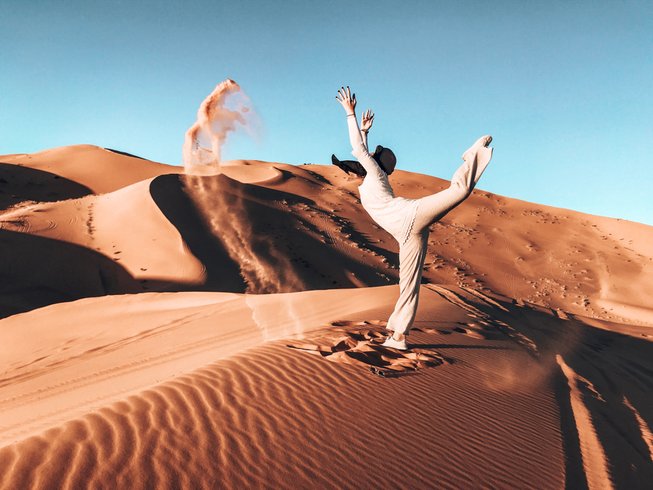
10 Day Unforgettable Luxury Yoga Trip, Culture and Nature Adventure in South of Morocco
Mountain Energy and Thin Air
Practicing yoga at altitude changes the experience in subtle but significant ways. The thinner air makes pranayama more challenging initially—you notice breath more acutely, work slightly harder to fill lungs, become aware of oxygen in ways that sea-level practice doesn’t demand. This heightened awareness of breath, once you adjust after a day or two, deepens practice rather than hindering it. Every inhale becomes deliberate, every exhale complete, the fundamental act of breathing requiring just enough attention to keep you anchored in present moment.
The mountain environment also affects energy levels and sleep patterns. Many people report needing more rest initially as bodies adjust to altitude, then experiencing unusually deep sleep and vivid dreams once acclimated. The quietude—broken only by the call to prayer from distant villages, wind through valleys, and the occasional goat bell—creates space for the kind of rest that modern life rarely allows. You sleep with windows open to mountain air, wake naturally with sunrise, and discover rhythms your body knows but urban life has suppressed.
Berber Culture and Hospitality
The Atlas Mountains are Berber territory—the indigenous North African people who inhabited these mountains long before Arabs arrived. Berber culture emphasizes hospitality, simplicity, and deep connection to land. Many mountain retreats are family-run operations where your hosts are local Berbers who’ve lived in these valleys for generations, who know every trail and plant, and who extend the kind of genuine welcome that transcends language barriers.
Daily life in mountain retreats often includes participation in local rhythms—helping bake bread in outdoor ovens, learning about medicinal herbs that grow wild on hillsides, sharing mint tea with neighbors who drop by, understanding how communities function when self-sufficiency isn’t lifestyle choice but necessity. This immersion in traditional life provides context that makes yoga practice feel less like imported wellness trend and more like part of humanity’s long search for balance and meaning.
The food in mountain retreats reflects what grows locally—vegetables from terraced gardens, preserved lemons and olives, tagines slow-cooked over wood fires, bread made fresh daily, honey from mountain bees, walnuts and almonds from valley orchards. The meals are simple but deeply satisfying, the kind of food that nourishes beyond mere calories because you can taste the place it came from and the care invested in its preparation.
Hiking as Moving Meditation
The Atlas Mountains offer extraordinary hiking—from gentle valley walks suitable for anyone to challenging summit attempts requiring fitness and acclimatization. Most retreats incorporate guided hikes as essential practice rather than optional recreation, understanding that moving through mountain landscapes at walking pace creates conditions for meditation that seated practice sometimes cannot.
A typical mountain hike might involve four to six hours of walking through varied terrain—following irrigation channels through villages, climbing switchbacks to ridges with panoramic views, descending into valleys where rivers run cold and clear, stopping for lunch under walnut trees while your guide prepares mint tea on a portable stove. The rhythm of footsteps, the need to watch placement on rocky trails, the views that keep revealing themselves around each bend—these naturally quiet the mental chatter and create the absorption that meditation seeks.
Local guides—often young Berber men who know these mountains intimately—share knowledge about plants, point out distant villages, tell stories about the land’s history and mythology, and somehow communicate volumes even when language barriers exist. Their ease in terrain that challenges visitors, their generosity in slowing pace to accommodate different fitness levels, and their genuine pride in sharing their home creates connections that enrich the retreat experience beyond the physical landscapes.
Seasonal Variations and Timing
The Atlas Mountains show dramatically different faces across seasons, each with distinct appeal and challenges. Spring brings snowmelt feeding valleys, wildflowers carpeting hillsides, and weather that alternates between warm sunny days and cool nights. The mountains are at their greenest, trails are accessible, and the contrast between snow-capped peaks and flowering valleys creates stunning visual drama.
Summer offers the most stable weather and warmest temperatures, making it ideal for those wanting guaranteed sunshine and comfortable camping or basic accommodations. However, lowland heat drives Moroccans to mountain escapes, meaning popular areas see more visitors. The higher elevations provide genuine relief from heat, with daytime temperatures rarely exceeding twenty-five degrees even in July and August.
Autumn brings harvest season, with walnuts being collected, last vegetables picked before winter, and a sense of preparation and completion. The light takes on golden quality, and there’s often a window of perfect weather in September and October before winter weather arrives. This is arguably the best time for mountain retreats—comfortable temperatures, autumn colors, fewer visitors, and the particular energy of harvest time.
Winter transforms the Atlas into a different world—snow covering peaks and often reaching into valleys, cold that’s genuine rather than merely cool, and the challenge of accessing remote areas. Some mountain retreats close entirely in winter; others remain open for hardy souls seeking solitude and dramatic winter beauty. Snow-season retreats appeal to those wanting intensive indoor practice, the coziness of fires and thick blankets, and mountain landscapes in their most austere and powerful manifestation.
Accommodations and Comfort Levels
Morocco’s retreat accommodations range widely in comfort and amenities. At the more rustic end are traditional guesthouses with basic rooms, shared bathrooms, simple meals, and minimal electricity. These appeal to travelers prioritizing authenticity and simplicity over convenience, who can embrace composting toilets, cold showers (or no showers), and the particular challenges of mountain living.
Mid-range options offer converted kasbahs or purpose-built guesthouses with private bathrooms, hot water (often solar-heated), comfortable beds, and meals that balance traditional Berber food with contemporary wellness cuisine. These properties provide genuine comfort while maintaining connection to place and local culture.
Higher-end mountain retreats occupy beautifully renovated properties with all modern amenities discreetly integrated—heated rooms, reliable hot water, excellent food, spa facilities, and the kind of thoughtful design that creates luxury through attention rather than ostentation. These prove that mountain retreats don’t require suffering, that you can be comfortable while still experiencing authentic mountain life.
Access and Logistics
Most Mountain retreats arrange transportation from Marrakech, typically ninety minutes to three hours depending on specific location. The drive itself provides gradual transition from city to mountains, from chaos to calm, and the dramatic scenery makes the journey part of the experience rather than merely logistics.
Once in the mountains, you’re largely committed to staying at your retreat—there’s rarely the option to wander into town for dinner or entertainment because towns are distant and transportation limited. This isolation is feature rather than bug for those seeking genuine retreat, but it requires different mindset than destinations where you can easily come and go.
Who Thrives in Mountain Retreats
Atlas Mountain retreats appeal to travelers who love hiking and mountains, who appreciate traditional cultures and simple living, who want genuine escape from modern life’s constant connectivity and stimulation, and who can embrace basic conditions when necessary. These retreats suit those seeking solitude, who need nature and space to do their inner work, and who understand that transformation sometimes requires leaving comfort zones.
This is not the retreat for those wanting luxury spa facilities, varied dining options, social scenes, or the ability to easily combine retreat with other activities. Mountain retreats demand commitment—you go there to be there, fully, without the escape hatches that more accessible locations provide. But for those ready for that depth of engagement, the Atlas Mountains offer experiences that linger long after you’ve returned to sea level and ordinary life.
More about yoga and wellness in Morocco

Best Yoga Retreats in Morocco in October 2026
Best Yoga Retreats in Morocco in September 2026

Best Yoga Retreats in Morocco in August 2026
Best Yoga Retreats in Morocco in July 2026

Best Yoga Retreats in Morocco in June 2026