
Best Yoga and Wellness Retreats in Morocco 2026: Complete Guide
Morocco sits at the crossroads of Africa, Europe, and the Arab world, and this convergence creates something unique for wellness travelers. Here’s a country with dramatic mountains and Sahara dunes an hour’s drive from ancient medinas. Where you can practice sunrise yoga on a riad rooftop while the call to prayer echoes through narrow streets. Where traditional hammams have offered therapeutic steam baths for centuries, and Berber hospitality makes strangers feel like honored guests.

This isn’t Bali or Costa Rica’s established wellness tourism. Morocco offers something rawer, more challenging, deeply rewarding for travelers willing to meet it on its own terms. The infrastructure exists—beautiful riads, mountain lodges, desert camps, skilled teachers—but you’re still engaging with a living culture that doesn’t exist primarily to serve tourists. That tension between ancient traditions and modern wellness practices creates Morocco’s particular magic.
Our Selection of Yoga and Wellness Retreats in Morocco for 2026

9 Day Sahara Soul Journey Luxury Yoga Retreat with Cultural Tours in Morocco
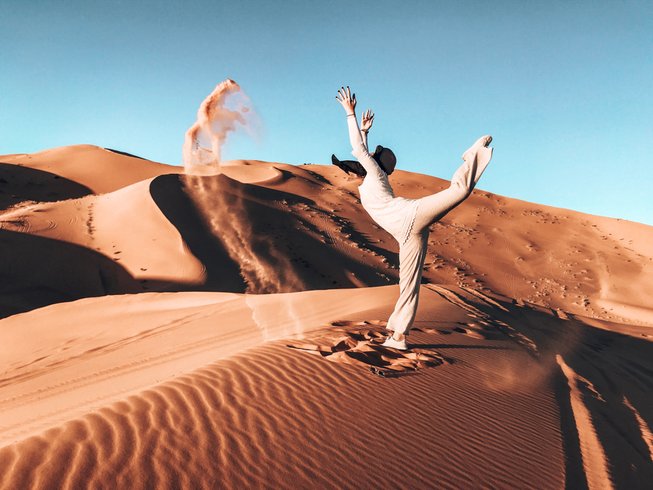
10 Day Unforgettable Luxury Yoga Trip, Culture and Nature Adventure in South of Morocco
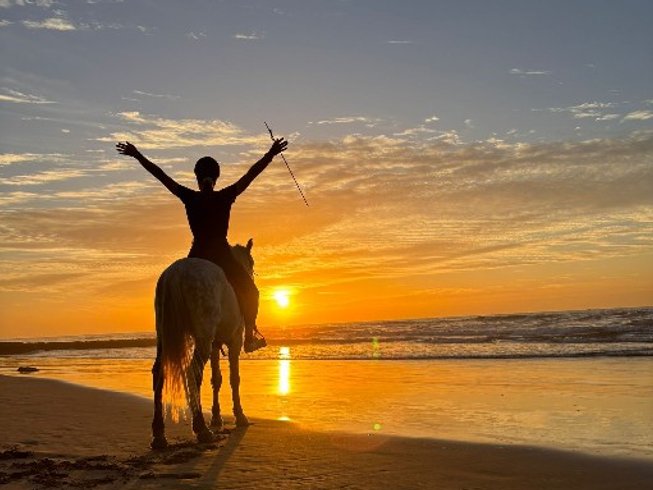
8-Day All-Inclusive Horse Riding Holiday With Yoga and Stretching in Oceanfront Riad, Agadir Morocco

4 Day Yoga Retreat in Marrakech Oasis, Morocco

6 Day ‘Body & Mind Awareness’ Yoga Holiday in the Atlas Mountains, Morocco
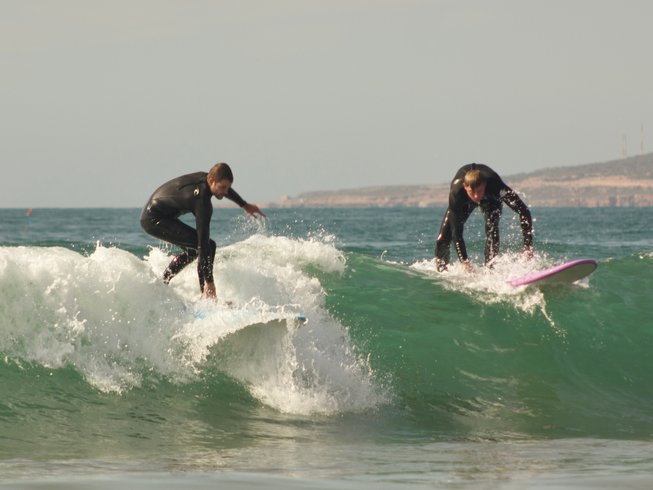
7 Day Surf and Yoga Package with Personalized Beginner Surf Coaching in Taghazout, Morocco
Why Morocco for Wellness
Morocco’s appeal for wellness retreats goes beyond exotic location or beautiful accommodations. The country offers genuine integration of wellness practices into daily life in ways Western wellness culture often just imitates.
The hammam tradition—Moroccan steam baths—predates the modern spa movement by centuries. These aren’t luxury add-ons; they’re where Moroccans have bathed, socialized, and practiced body care for generations. The rituals of exfoliation, massage, and purification evolved from practical wisdom about bodies, heat, and water. Experiencing hammam in Morocco isn’t wellness tourism—it’s participating in actual cultural practice.
The rhythm of daily life aligns naturally with wellness principles. The five-times-daily call to prayer creates natural pauses for reflection. The tradition of mint tea—taking time to prepare, serve, and share it properly—builds community and mindfulness into normal activities. The afternoon rest during hottest hours acknowledges body’s actual needs rather than fighting them. These aren’t practices adopted for wellness benefits; they’re how life has functioned for centuries.
Moroccan food culture, when you experience it authentically rather than in tourist restaurants, emphasizes fresh, seasonal, local ingredients prepared simply. Tagines slow-cooked with vegetables and aromatic spices. Couscous steamed and fluffed by hand. Preserved lemons, olive oil, fresh herbs. The cuisine is naturally aligned with wellness principles without needing to brand itself that way.
Morocco’s Diverse Regions
Understanding Morocco’s geography is essential for choosing the right retreat. This isn’t a small country, and regions differ dramatically.
The Atlas Mountains
cut through Morocco’s center, creating the country’s dramatic backbone. Three ranges—High Atlas, Middle Atlas, Anti-Atlas—offer everything from gentle valley hikes to serious mountaineering. Traditional Berber villages cling to hillsides. Terraced agriculture creates green stairsteps up steep slopes. Snow caps high peaks while lower valleys bloom with fruit trees. Mountain retreats range from simple guesthouses to luxurious mountain lodges, all offering stunning views, trekking access, and that particular energy high-altitude places provide.
Marrakech
isn’t a region—it’s an experience. The medina (old city) is a living medieval city, not a museum. Souks sell everything from spices to leather to metalwork. Palaces and gardens showcase centuries of Islamic architecture and design. The energy is intense, chaotic, beautiful, overwhelming. Many wellness retreats base in Marrakech’s riads—traditional homes built around interior courtyards that provide sanctuary from medina intensity. You get cultural immersion plus retreat space.
The Atlantic Coast
stretches from Tangier to Western Sahara, offering dramatically different experiences along its length. Essaouira, a whitewashed medina on windswept coast, attracts artists and surfers. Agadir offers modern beach resort atmosphere. Smaller coastal towns provide authentic fishing village life. Coastal retreats emphasize ocean energy, wind, fresh seafood, and that particular spaciousness water proximity provides.
The Sahara Desert
begins where the mountains end, expanding south and east into vast sand seas. Most accessible from Merzouga or Zagora, the desert offers experiences impossible elsewhere—sleeping under impossibly starry skies, riding camels over dunes, experiencing silence so complete it becomes presence rather than absence. Desert camps range from basic Berber tents to luxury camps with real beds and solar-powered amenities.
The Imperial Cities
—Fes, Meknes, Rabat—each offer their own character. Fes especially, with the world’s oldest university and labyrinthine medina, provides the most intense cultural immersion. These cities work less for pure wilderness retreats, more for cultural-wellness combinations.
Retreat Styles in Morocco
Moroccan wellness retreats take many forms, often blending approaches in ways unique to the country.
Riad-based retreats
use traditional Moroccan homes as sanctuary. These buildings—often centuries old—are designed for Moroccan climate and life: thick walls for temperature control, interior courtyards for privacy and outdoor living, rooftop terraces for evening breezes. Yoga practice happens on rooftops or in courtyards. Meals feature Moroccan cuisine. Hammam might be on-site or at nearby traditional baths. Cultural excursions explore surrounding medinas and sites. These offer the deepest cultural immersion.
Mountain retreats
emphasize trekking and high-altitude wellness. Days might combine morning yoga with afternoon hikes. Berber village visits provide cultural context. Mountain lodges or guesthouses offer simple but comfortable accommodation. The focus is physical activity in spectacular landscape plus wellness practices that support rather than replace the movement.
Desert experiences
are inherently retreat-like even without formal programming. The vastness, silence, and stark beauty create contemplative space naturally. Some camps offer structured yoga and meditation. Others simply provide the environment and let the desert do the teaching. These work best for people comfortable with basic conditions and drawn to extreme landscapes.
Hammam-focused retreats
build entire programs around traditional Moroccan bathing and body treatments. Multiple hammam sessions, various scrubs and wraps using local ingredients (argan oil, rhassoul clay, rose water), massage traditions adapted from Berber and Arab practices. These emphasize purification, body care, and the social-therapeutic aspects of communal bathing.
Surf-and-yoga combinations
happen on Atlantic coast, especially around Essaouira, Taghazout, and Imsouane. Morning surf sessions, afternoon yoga, fresh seafood, ocean living. These attract younger crowds and active travelers wanting both wave time and practice.
When to Visit Morocco
Morocco’s seasonal variations are extreme—what works beautifully in spring might be genuinely miserable in August. Choose your timing carefully.
Spring (March-May)
is Morocco’s optimal season. Temperatures are comfortable everywhere, landscapes are green from winter rains, wildflowers bloom, and everything functions at peak accessibility. April especially delivers ideal conditions. The downsides: premium pricing, advance booking required, and you’re sharing the season with many others who’ve also chosen wisely. But the conditions justify the costs and crowds.
Summer (June-August)
splits dramatically by location. Interior cities and desert become punishingly hot—40°C+—requiring serious heat management. But mountains at altitude and Atlantic coast remain pleasant. Summer demands strategic location choices. Choose wrong (Marrakech in August) and you’ll be miserable. Choose right (Essaouira or high Atlas) and you’ll have excellent conditions with fewer crowds. Prices vary—coastal and mountain locations charge premium rates while interior drops prices trying to attract visitors despite heat.
Autumn (September-November)
offers Morocco’s best value. September and October especially provide excellent conditions without spring’s premium pricing. The heat breaks, the landscape remains attractive, and tourist numbers moderate. October might actually be the single best month—ideal temperatures, manageable crowds, reasonable prices. November transitions toward winter but remains comfortable except for increasing rain.
Winter (December-February)
is Morocco’s challenging season. It’s cold, wet, and tourist infrastructure operates minimally. But winter offers profound authenticity and lowest prices. If you have good infrastructure (heating, indoor spaces), embrace cultural focus over outdoor activities, and don’t need consistent sunshine, winter provides the most genuine Morocco you’ll ever experience. The cold filters out casual tourists, forcing real engagement with the country as it actually exists.
Practical Planning
Morocco requires more planning than some destinations. The infrastructure exists, but it doesn’t always function on Western expectations of how things should work.
Getting there
: Most international visitors fly into Casablanca or Marrakech. From there, reaching retreat locations varies from simple (riad in Marrakech) to complex (remote mountain village). Many retreats arrange transfers. Some require you to navigate Morocco’s transport system—trains work well for major cities, but reaching rural areas might mean buses, shared taxis, or private drivers. Build in buffer time for travel days.
Visas
: Most nationalities get visa-free entry for tourism up to 90 days. Check current requirements for your specific passport.
Language
: Arabic and Berber are local languages. French is widely spoken, legacy of colonial history. English is increasingly common in tourist areas and retreat centers catering to international guests, but less so in rural areas. Some basic French phrases help significantly.
Money
: Moroccan dirham (MAD) is the currency. ATMs exist in cities and large towns but can be scarce in rural areas. Many riads and retreats accept credit cards, but traditional hammams and local restaurants are cash-only. Bring both cards and cash.
Cultural considerations
: Morocco is Muslim-majority, and cultural respect matters. Modest dress is important outside retreat centers—shoulders and knees covered, especially for women. Ramadan, if it falls during your visit, affects everything—restaurants close during fasting hours, rhythms change. Some retreats modify programming during Ramadan; others close entirely. Public displays of affection between couples are frowned upon. Alcohol is available but not ubiquitous—some riads serve wine, many don’t.
Safety
: Morocco is generally safe for tourists. Standard precautions apply—watch belongings in crowded areas, don’t flash expensive items, be cautious with street food if you have sensitive digestion. Solo women travelers should take normal precautions. Aggressive selling in tourist souks can be uncomfortable but isn’t dangerous—a firm “no thank you” usually works.
What Makes Morocco Different
Moroccan wellness retreats differ fundamentally from Bali, Thailand, Costa Rica, or European destinations. The difference isn’t better or worse—it’s different, and whether you’ll love it depends on what you’re seeking.
Morocco doesn’t exist primarily for tourism. You’re visiting a real country with its own culture, traditions, challenges, and ways of functioning. The wellness infrastructure has developed within that context, not replaced it. This means more authenticity, more cultural richness, and also more friction—things don’t always work smoothly, communication can be challenging, expectations might not align.
The Islamic culture creates different dynamics than Buddhist Southeast Asia or secular Western destinations. The call to prayer five times daily, the month of Ramadan, the gender dynamics, the relationship to alcohol—these aren’t tourism features; they’re actual cultural elements you’ll navigate.
Moroccan hospitality is genuine but different from Asian service culture. It’s warmer and more personal, but also less predictable. You might be invited to family meals, engaged in long conversations, offered tea repeatedly. The boundaries between service provider and guest are more permeable.
Choosing Your Moroccan Retreat
Start with honest self-assessment. What’s your heat tolerance? Cultural flexibility? Need for comfort versus authenticity? Desire for isolation versus immersion?
Consider timing carefully. Morocco’s seasonal variations are extreme. Your same retreat in April versus August will be completely different experiences.
Research location thoroughly. Mountains, desert, coast, and city each offer distinct experiences. Don’t assume all Morocco is interchangeable.
Read recent reviews, especially regarding heat management in summer, cold and heating in winter, and cultural sensitivity of the retreat operation. These practical details matter tremendously for experience quality.
Verify what’s included. Some retreats include all meals, excursions, and hammam. Others are accommodation-only with everything else additional. Clear understanding prevents arrival surprises.
Consider your priorities. Is yoga practice primary with Morocco as backdrop? Or is deep cultural immersion the goal with yoga supporting that? Different retreats serve different priorities.
Final Thoughts
Morocco rewards travelers who arrive with open minds and realistic expectations. This isn’t a country that makes things easy, but it offers extraordinary experiences for those willing to meet it on its own terms.
The wellness isn’t packaged and perfected—it’s interwoven with actual culture and daily life. The landscapes are genuinely dramatic, not just scenic backdrops. The traditions are living practices, not museum pieces. The challenges are real, and so are the rewards.
A wellness retreat in Morocco isn’t escape from reality into pampered sanctuary. It’s engagement with a complex, beautiful, sometimes frustrating, deeply rewarding place that’s been doing wellness—hammams, mountain living, desert silence, communal hospitality—for centuries before the word became a marketing term.
Come prepared for heat or cold depending on season. Bring cultural sensitivity and flexibility. Accept that things might not work exactly as expected. And then let Morocco surprise you with what it offers instead.
Morocco awaits—mountain, desert, ancient cities, and Atlantic coast. Browse retreats and discover wellness practices woven into centuries of living tradition.
Related Articles
Explore our monthly guides: yoga and wellness retreats in Morocco in January, yoga and wellness retreats in Morocco in February, yoga and wellness retreats in Morocco in March, yoga and wellness retreats in Morocco in April, yoga and wellness retreats in Morocco in May, yoga and wellness retreats in Morocco in June, yoga and wellness retreats in Morocco in July, yoga and wellness retreats in Morocco in August, yoga and wellness retreats in Morocco in September, yoga and wellness retreats in Morocco in October, yoga and wellness retreats in Morocco in November, and yoga and wellness retreats in Morocco in December.
Discover our seasonal guides: yoga and wellness retreats in Morocco in Spring, yoga and wellness retreats in Morocco in Summer, yoga and wellness retreats in Morocco in Autumn, and yoga and wellness retreats in Morocco in Winter.
For a complete overview, visit our complete guide to yoga and wellness retreats in Morocco.
