
Yoga Retreats in Umbria: The Quiet Heart of Italy
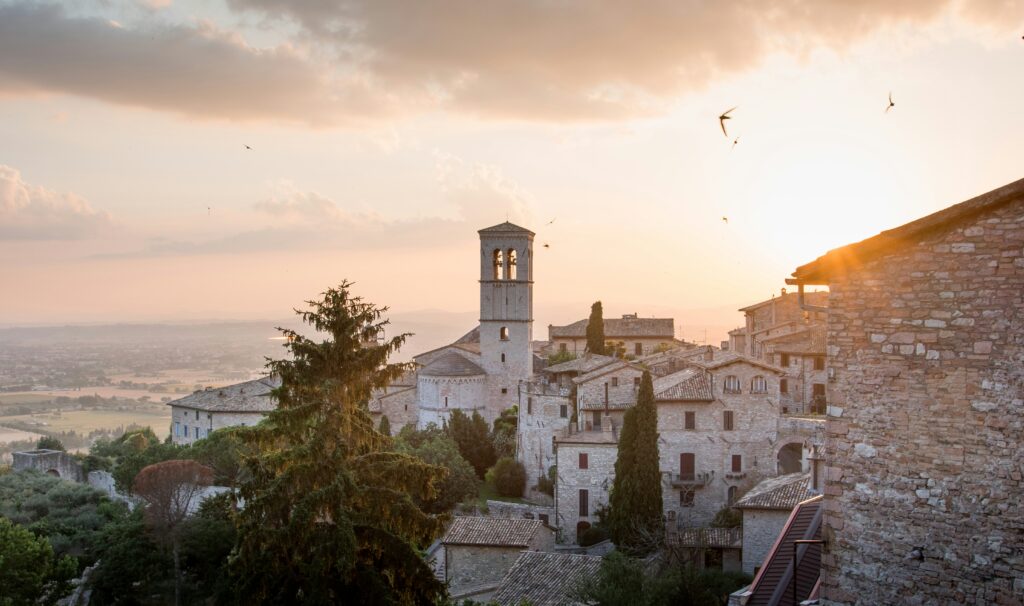
Tucked between Tuscany, Lazio, and Le Marche, Umbria is Italy’s only landlocked region — a patchwork of olive groves, forested hills, and medieval hill towns that feel frozen in time.
Where Tuscany dazzles, Umbria whispers. Its pace is slower, its landscapes more rugged, and its silence more complete.
For travellers seeking peace, reflection, and authentic local life, this is one of Italy’s most underrated destinations for yoga retreats.
Many retreat centres are set in restored monasteries or eco-farmhouses, where days follow a rhythm of morning practice, healthy meals, and time spent walking, journaling, or exploring the surrounding countryside.
In Umbria, the idea of “wellness” extends far beyond the mat — it’s in the food, the architecture, the simplicity of life itself.
Our selection of retreats in Umbria


The Mood of the Land
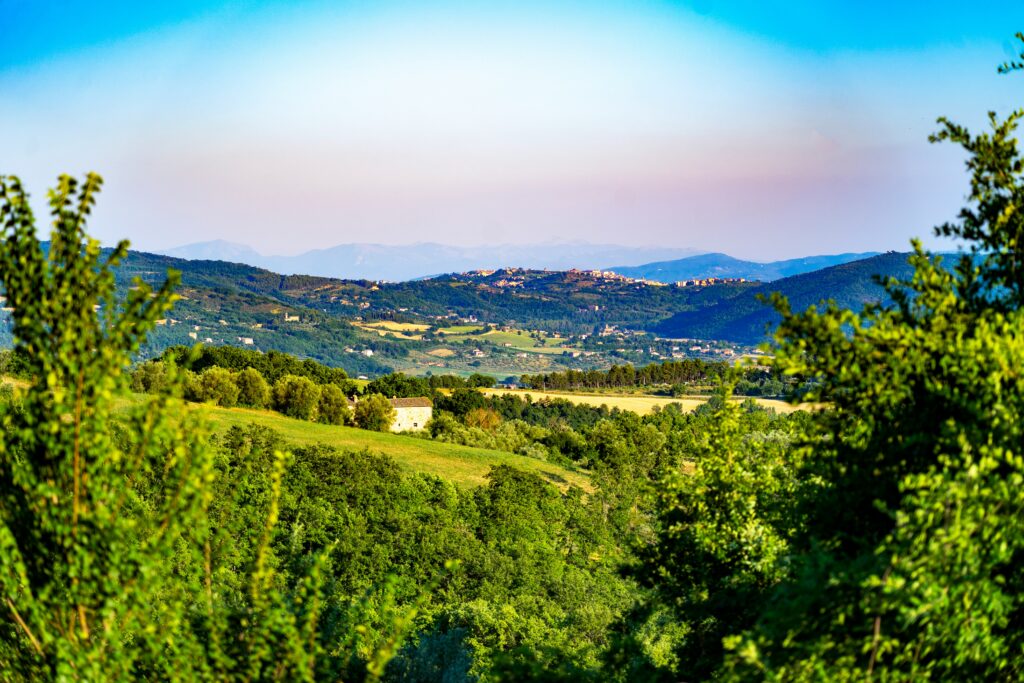
Umbria’s nickname — Il Cuore Verde d’Italia (the Green Heart of Italy) — isn’t just about its geography.
It’s also about how alive the land feels.
Between Perugia and Spoleto stretch endless waves of olive trees, chestnut woods, and vineyards.
Villages cling to hillsides, their stone houses turning honey-gold at sunset.
There’s a spiritual quiet here — not solemn, but deeply grounding — inherited from Saint Francis of Assisi, whose message of peace still seems to echo through the valleys.
You’ll notice it in the air: a stillness that invites introspection.
It’s no coincidence that so many retreats in Umbria combine yoga with meditation, writing, or spiritual workshops. The region lends itself to inner work.
When to Go
- Spring (April–June): The countryside is at its most vibrant, with wildflowers and cool mornings perfect for outdoor practice. Temperatures range between 15–25 °C.
Ideal for gentle hiking and farm-based retreats. - Summer (July–August): Expect long, warm days and lively village festivals. Afternoons can reach 30 °C, so retreats usually shift yoga sessions to early mornings and evenings.
- Autumn (September–October): The harvest season. Vineyards and olive groves come alive, truffle markets fill small squares, and the light softens into gold.
It’s the most atmospheric time to visit and a favourite among repeat retreat-goers. - Winter (November–March): Cold but deeply peaceful. Perfect for restorative, silent, or study-based retreats held indoors by the fire. Snow occasionally dusts the higher hills.
How to Get There
By Air:
- Perugia San Francesco d’Assisi Airport (PEG) connects to London, Brussels, Vienna, and domestic hubs like Milan or Catania.
- Many travellers fly into Rome Fiumicino (FCO) or Ciampino (CIA) and continue by train (around 2 hours to Perugia or Assisi).
By Train:
Regional trains run between Rome, Florence, and Umbria’s main towns: Perugia, Assisi, Spoleto, Orvieto, and Terni.
They’re comfortable but slow — budget time for scenic travel.
By Car:
A rental car offers full freedom. Winding country roads lead to monasteries, vineyards, and hidden retreat locations.
Driving here is calm compared to Tuscany’s tourist routes; parking is free in most rural areas.
Getting Around:
Public transport between villages is limited, so check if your retreat offers transfers.
Cycling and e-bikes are increasingly popular, especially around Lake Trasimeno and Valnerina.
Read also our other guides: yoga retreats in Tuscany, yoga retreats in Sicily, yoga retreats in the Amalfi Coast, yoga retreats in Garda Lake.
What to Eat & Drink
Umbria’s cuisine is simple, earthy, and tied to the land — ideal for yoga and wellness travellers who prefer clean, nourishing food without losing flavour.
Signature Dishes:
- Zuppa di lenticchie di Castelluccio — lentil soup from the Monti Sibillini plateau, rich in protein and comfort.
- Strangozzi al tartufo nero — handmade pasta with black truffle, a regional delicacy.
- Torta al testo — a rustic flatbread filled with grilled vegetables or pecorino cheese.
- Fagiolina del Trasimeno — small heirloom beans cultivated near the lake.
Olive Oil & Wine:
Umbria produces some of Italy’s most prized olive oils, especially from Trevi and Spello.
Wine lovers will enjoy Sagrantino di Montefalco, a bold red with meditative depth, and crisp Grechetto whites for summer.
Retreat Menus:
Most wellness retreats in Umbria offer vegetarian or Mediterranean-inspired meals sourced from on-site gardens or neighbouring farms.
Food here isn’t about restriction — it’s about rhythm: eating slowly, in season, and with gratitude.
What to See & Do
Assisi: Spiritual Stillness
The birthplace of Saint Francis, Assisi is the region’s spiritual heart.
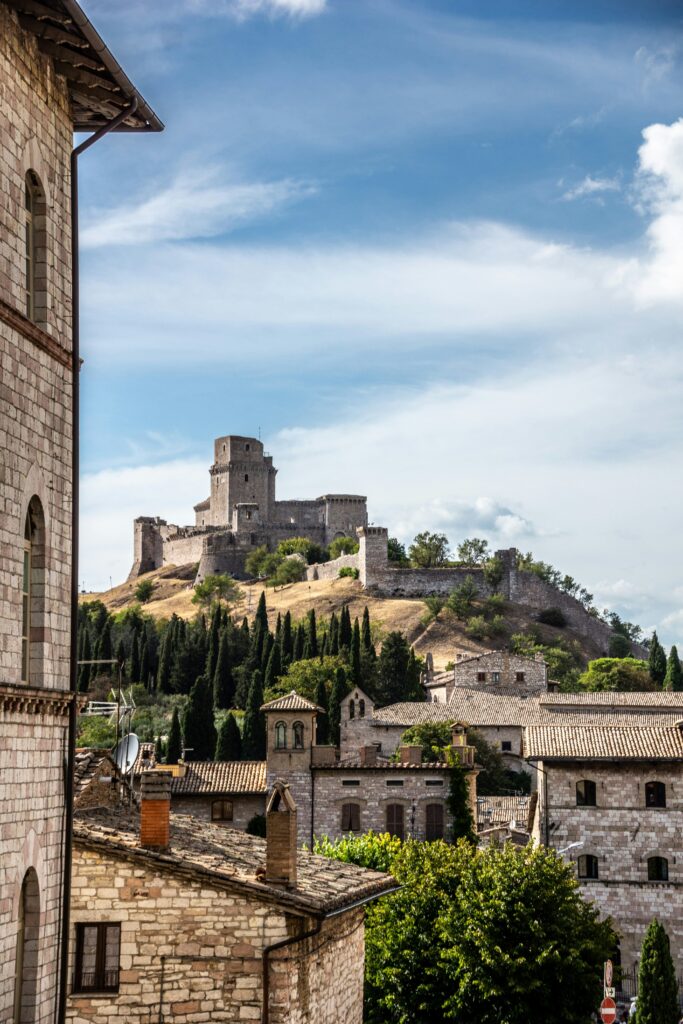
Visit the Basilica di San Francesco, filled with Giotto’s frescoes, and hike to the Eremo delle Carceri, a forest hermitage once used for silent prayer.
Even if you’re not religious, the calm here is tangible — it feels like walking inside peace itself.
Perugia: Art, Chocolate & Culture
The capital combines medieval architecture with a young, creative energy from its university.
Don’t miss the Rocca Paolina fortress, Galleria Nazionale dell’Umbria, and the famous Eurochocolate Festival in October.
Ideal for a pre- or post-retreat city stop.
Spoleto & Orvieto
Spoleto hosts an annual festival blending art, dance, and spirituality.
Orvieto sits dramatically atop volcanic tufa rock, its cathedral among Italy’s most beautiful.
Both towns offer that rare mix of culture and calm.
Nature Escapes
- Lake Trasimeno: Soft hills, olive groves, and island ferries — a serene day trip.
- Valnerina: Waterfalls, truffle forests, and quiet stone villages.
- Monti Sibillini National Park: For those who love hiking or mindful walks among peaks and wildflowers.
Why Umbria Works for Yoga & Wellness
- Silence: Unlike more touristic regions, Umbria offers uninterrupted quiet — essential for inner work.
- Spiritual Heritage: The Franciscan ethos of simplicity and kindness still shapes local life.
- Accessible but Remote: Close to Rome and Florence, yet untouched by mass tourism.
- Sustainability: Many retreat centres use solar energy, organic farming, and slow-living principles.
- Local Connection: Retreat leaders often collaborate with small producers, creating meaningful, community-based experiences.
This mix of tranquillity, spirituality, and authenticity makes Umbria one of Europe’s most holistic destinations for personal renewal.
Practical Tips
- What to Pack: Layers for changing temperatures, comfortable shoes for hilly terrain, and a journal — you’ll want to write here.
- Language: English is widely understood at retreats, but basic Italian greetings (buongiorno, grazie) go a long way.
- Pace of Life: Expect shops and restaurants to close mid-afternoon. Embrace it — rest is part of the rhythm.
- Events to Note:
- Calendimaggio in Assisi (May) — medieval music and flower parades.
- Umbria Jazz in Perugia (July).
- Frantoi Aperti (Oct–Nov) — open olive mills and tastings.
Final Reflection
In Umbria, the retreat experience doesn’t end when the class does.
It continues in the way locals move — unhurried, kind, attentive.
It’s in the taste of olive oil pressed the week before, the echo of church bells in the distance, and the silence that feels not empty but full.
This is not the Italy of postcards but of presence — and that’s what makes yoga retreats in Umbria unforgettable:
they teach you to slow down until the world becomes audible again.
now Umbria
FAQs: Yoga Retreats in Umbria, Italy
1. Why choose Umbria for a yoga retreat?
Umbria, known as Italy’s “Green Heart,” offers a profoundly authentic, tranquil, and spiritually resonant setting. Less trodden than its neighbor Tuscany, it provides an untouched, deeply rural atmosphere of rolling hills, medieval hill towns, and ancient forests. A retreat here is for those seeking genuine quiet, deep connection with nature, and an immersion into a slower, more mystical Italy, rich with Franciscan history and a palpable sense of peace.
2. What is the general atmosphere and vibe?
The atmosphere is one of profound serenity, rustic authenticity, and spiritual depth. It feels untouched by mass tourism. The vibe is introspective and grounding, often centered around historic convents, stone farmhouses, or eco-retreats nestled in olive groves and oak woods. It’s ideal for digital detoxes and deep, uninterrupted practice.
3. What is the best time of year for a retreat in Umbria?
- Late Spring (May-June) & Early Autumn (September-October): IDEAL. The landscape is lush and green or golden and warm. Weather is perfect for outdoor practice and exploration. The famous wildflowers (May) or autumn foliage (October) are spectacular.
- High Summer (July-August): Warm and sunny, but less intensely hot than coastal regions due to its higher elevation. Evenings are cool. A great time for long days and outdoor living.
- Shoulder Months (April & November): Cooler and quieter. April brings blooming fruit trees; November offers misty landscapes, truffle season, and deep solitude. Perfect for writing or meditation-focused retreats.
- Winter (Dec-Mar): Cold, crisp, and incredibly quiet. A time for cozy retreats by the fireplace, visiting empty medieval towns, and enjoying the stark, beautiful landscapes. Some centers close.
4. Are yoga sessions held outdoors?
Yes, the pristine natural environment is integral to the practice. Umbria’s unspoiled landscapes provide stunning, peaceful settings:
- Forest & Meadow Yoga: In ancient oak and beech woods or in wildflower meadows with panoramic views.
- Hilltop & Cloister Yoga: On terraces overlooking timeless valleys or within the quiet courtyards of restored monasteries.
- Olive Grove Yoga: Practicing amidst silvery olive trees, a symbol of the region.
A beautiful, often stone-walled indoor studio is always available for cooler weather or evening sessions.
5. What types of activities complement the yoga?
Activities connect you with Umbria’s soulful landscape and rich heritage:
- Hiking & Forest Bathing: Walking the pilgrim paths like the Franciscan Way (Via di Francesco), exploring the mystical Bosco Sacro (Sacred Woods) of Monteluco, or hiking in the Sibillini Mountains.
- Cultural & Spiritual Visits: Exploring Assisi (home of St. Francis), Spoleto, Orvieto, and other stunning borghi (hill towns) filled with art and history.
- Truffle Hunting & Farm Visits: Embarking on truffle hunts with dogs in the autumn, visiting organic farms, or learning about olive oil production.
- Wellness & Thermal Springs: Soaking in the region’s natural thermal baths, like those in Terme di Fontecchio.
- Local Craft Workshops: Pottery in Deruta, textile weaving, or traditional cooking classes focusing on rustic, foraged, and farm-fresh ingredients.
6. What is the local food like on retreat?
Umbrian cuisine is rustic, earthy, and deeply satisfying, rooted in the land and foraging tradition (cucina del territorio).
- Truffles & Mushrooms: The region is famous for its black and white truffles and wild mushrooms (porcini).
- Legumes & Grains: Lentils from Castelluccio, farro (emmer wheat), and exceptional beans.
- Pork & Game: Renowned for its cured meats (Norcia, the town of butchers) and wild boar (cinghiale).
- Simple Excellence: Dishes like strangozzi pasta (hand-rolled), torta al testo (flatbread), and grilled meats over wood fire. The olive oil is exceptional.
7. What should I pack?
Pack for a rustic, active, and nature-immersive experience:
- Yoga Wear & Layers: For variable mountain/hill weather. Include a warm layer for cool mornings/evenings.
- Sturdy Hiking Shoes/Boots: Essential for exploring trails, woods, and steep hill town streets.
- Swimwear: For thermal springs or any retreat center pool.
- Rain Jacket: Especially in shoulder seasons, as weather can change quickly in the hills.
- Flashlight/Headlamp: Useful for retreat centers in very remote, dark-sky locations.
- Journal or Sketchbook: The inspiring setting often calls for reflection.
- Casual, Comfortable Clothing: The style here is practical and unfussy.
8. Is a car necessary to get around?
Yes, a car is highly recommended, if not essential. Umbria’s charm lies in its remote, hilltop locations and scattered attractions. Public transport is limited. Most retreats are in secluded spots, and having a car gives you the freedom to explore the region’s hidden gems before or after your retreat. Some centers may offer pick-up from train stations (e.g., Foligno, Spoleto) for a fee.
9. Are these retreats suitable for solo travelers?
Absolutely. The intimate scale, peaceful setting, and often spiritually-oriented focus of Umbrian retreats attract thoughtful solo travelers. The environment is conducive to both deep personal reflection and forming meaningful connections with a small, like-minded group.
10. What makes an Umbrian retreat unique compared to a Tuscan retreat?
Umbria is Tuscany’s quieter, more mystical, and less polished sibling. While equally beautiful, it feels more untouched, spiritually charged, and authentically rural. There’s a rawness and a deeper silence here. A retreat in Umbria is less about the curated “dolce vita” and more about a genuine return to simplicity, nature, and inner peace. It’s for the seeker who wants to go beyond the postcard.
More about yoga and wellness in Italy
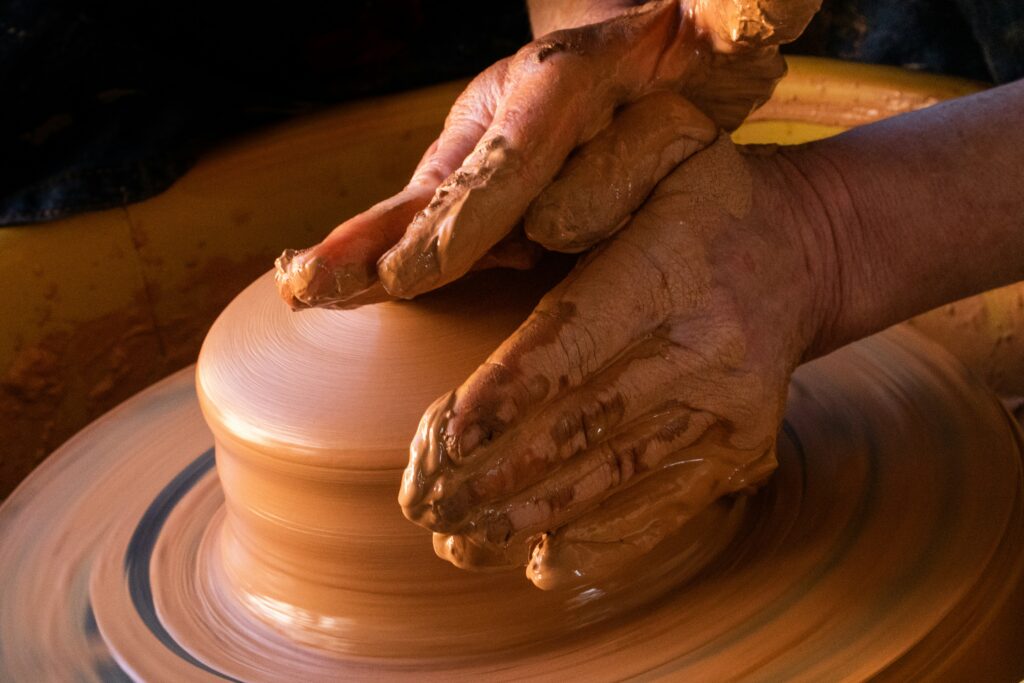
On Craft, Care, and Contemplation
The Hands That Know Before the Mind Does Before words, there was work.Before theory, touch.And…
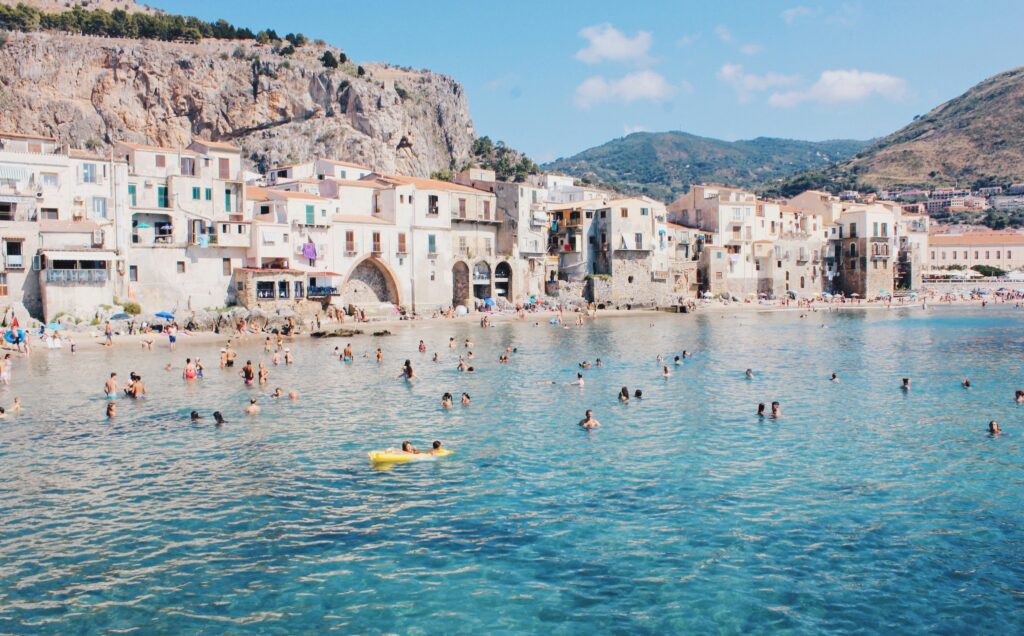
The Grace of Imperfection: Learning Balance the Italian Way
Perfection doesn’t live long in Italy.Walls crack, frescoes fade, and even the most exquisite ceramics…
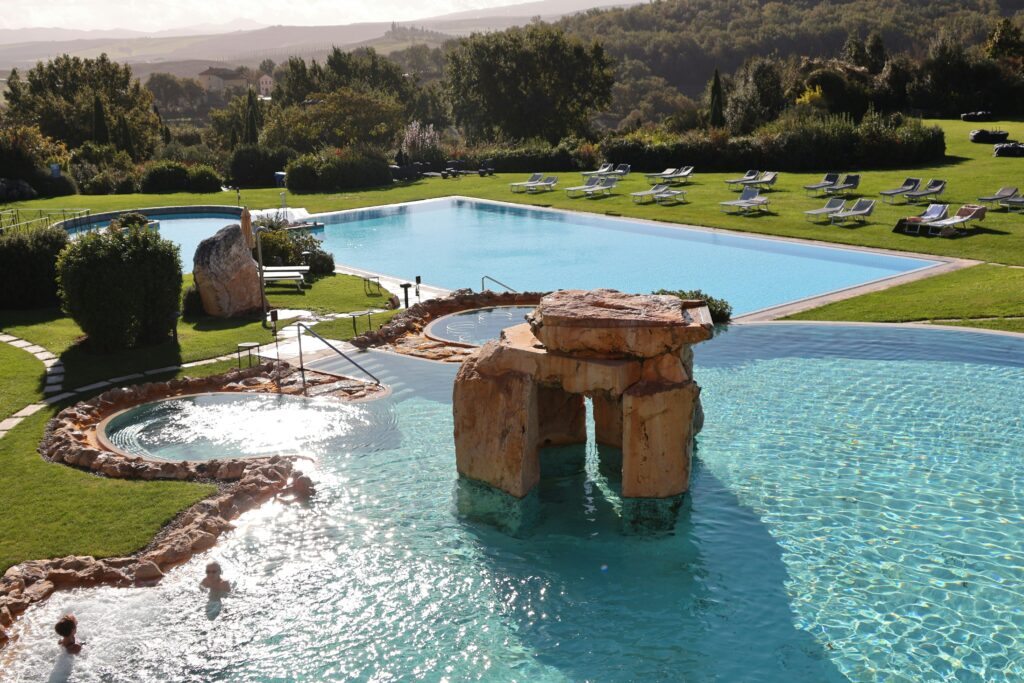
Top Wellness Experiences to Combine with a Yoga Retreat in Italy
Italy Beyond the Mat: Top Wellness Experiences to Combine with a Yoga Retreat in Italy…
