
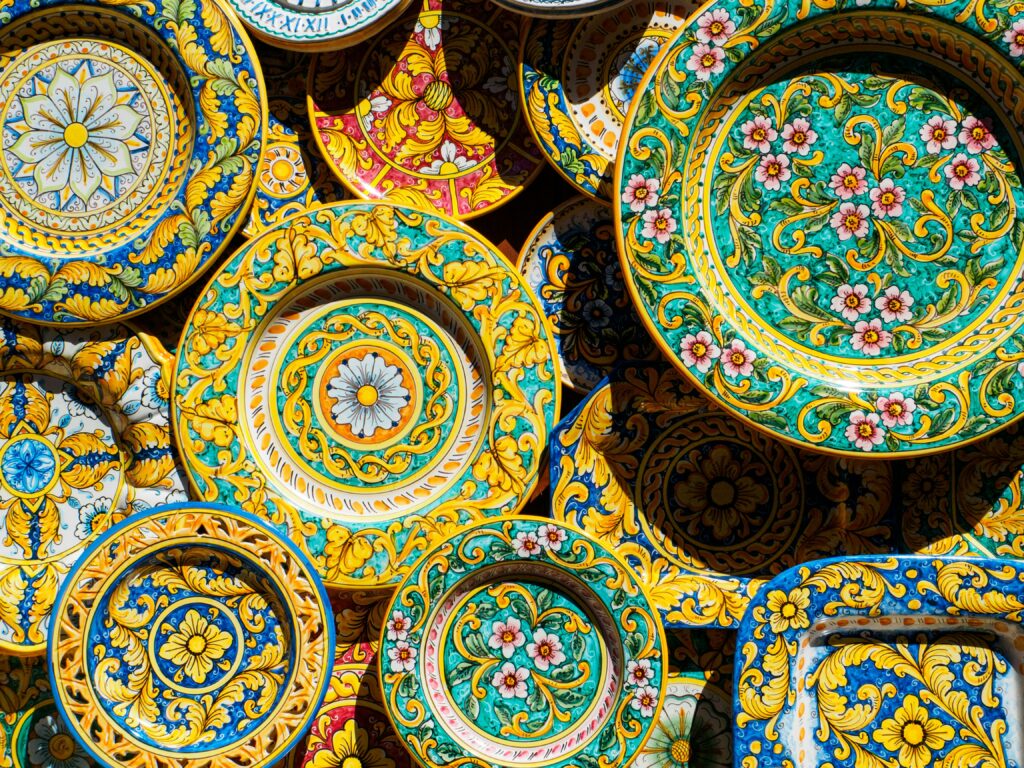
Sicily feels like a country within a country — ancient, wild, sun-drenched, and deeply alive.
Mount Etna smoulders on one horizon, turquoise coves shimmer on the other, and between them lie vineyards, lemon groves, and towns layered with Greek, Arab, and Norman history.
It’s a land of contrasts: fire and stillness, passion and patience, sea and mountain.
That elemental balance makes it one of the most powerful places in Europe for yoga retreats — a setting that grounds you and energises you at the same time.
Whether you practise by the sea near Taormina, in the volcanic countryside of Catania, or on the quiet southern coast near Modica, Sicily has a raw, cleansing energy that reshapes your rhythm within days.
Read also: Wellness retreats in the Dolomites, Yoga retreats in Tuscany, Yoga retreats in Umbria, Yoga retreats by the Garda Lake
Our selection of yoga retreats in Sicily

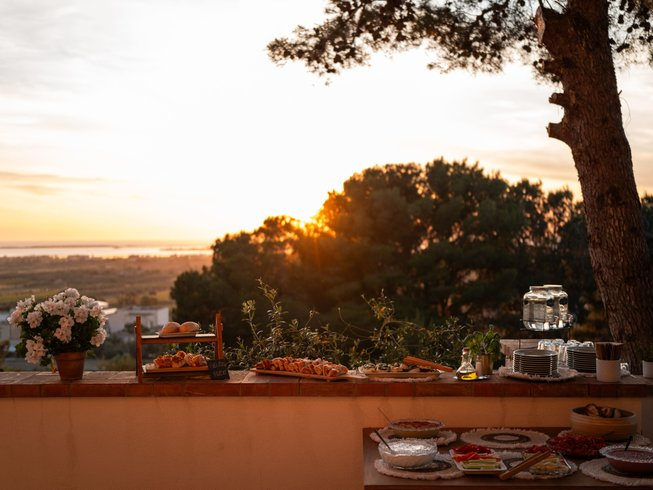
When to Go
- April–June: Best overall period — warm but not sweltering (20–28 °C), wildflowers in bloom, clear water for swimming.
- July–August: Hot (30–38 °C). Choose coastal or mountain retreats and expect Mediterranean siestas.
- September–October: Golden light, grape and olive harvests, sea still warm — arguably the most beautiful season.
- November–March: Quieter months for reflective or writer’s retreats; cooler (10–18 °C) and often sunny in the south.
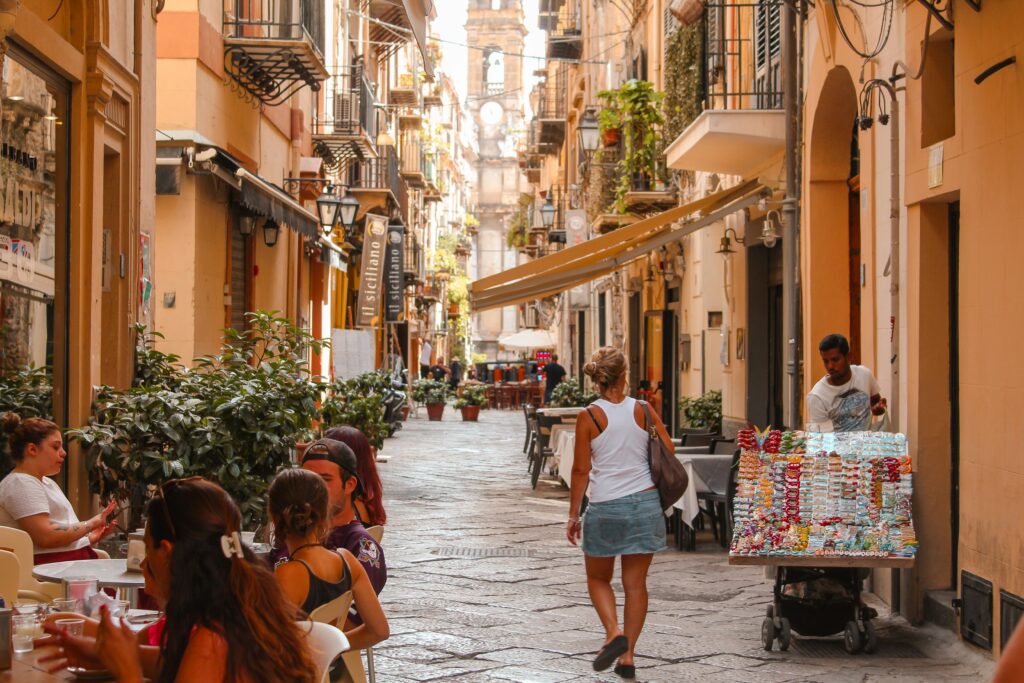
How to Get There
By Air:
- Catania (CTA) — main international airport, best for eastern Sicily (Etna, Taormina, Syracuse).
- Palermo (PMO) — ideal for western regions (Cefalù, Trapani, Selinunte).
- Smaller hubs: Comiso (CIY) near Ragusa and Trapani (TPS) for low-cost flights.
By Ferry:
- Regular services connect Sicily with Naples, Salerno, and mainland Calabria; overnight ferries are a scenic alternative to flying.
Getting Around:
Public trains and buses link main towns but move slowly; renting a car is the best way to reach rural retreats and explore beaches, markets, and archaeological sites.
The Mood of the Island
Sicily’s pace is both languid and intense.
Days begin with espresso and almond pastries, stretch lazily through sun and sea, and end in laughter, music, and the smell of grilled fish.
But beneath that ease lies a deep resilience — generations who lived by the cycles of volcano and harvest.
That duality gives the island its spiritual charge. Here, stillness isn’t empty — it vibrates.
During a yoga class on Etna’s slopes or at dawn by the sea, you can feel the ground itself breathing.
What to Eat & Drink
Sicilian food is sensual, colourful, and surprisingly healthy.
It’s Mediterranean cuisine with Middle Eastern whispers — olive oil, citrus, herbs, almonds, and fresh vegetables in endless variations.
Essential Flavours:
- Caponata – sweet-and-sour aubergine stew with capers and pine nuts.
- Pasta con le sarde – pasta with fresh sardines, fennel, and raisins.
- Insalata di arance – orange salad with olive oil, mint, and black pepper.
- Granita e brioche – crushed-ice dessert eaten at breakfast in summer.
- Cannoli – the famous pastry shell filled with ricotta.
Drinks:
Pair meals with local wines such as Nero d’Avola reds or crisp Grillo and Etna Bianco whites.
Retreats often use organic produce from nearby farms — Sicily’s volcanic soil gives everything extraordinary flavour.
What to See & Do
1. Mount Etna and Eastern Sicily
Europe’s most active volcano shapes both landscape and mood.
Hike lava trails at sunrise, visit wineries on Etna’s slopes, or practise yoga on terraces overlooking Taormina Bay.
Nearby Syracuse and Ortigia Island mix Greek ruins with sea breeze and baroque architecture — ideal for post-retreat exploration.
2. The Baroque South
Cities like Noto, Modica, and Ragusa Ibla are UNESCO jewels — ornate yet calm, bathed in honey light.
Their narrow lanes and slow cafés make perfect ground for mindful wandering.
Retreats here often combine yoga with cooking, photography, or creative writing.
3. Western Sicily
Less developed, more soulful.
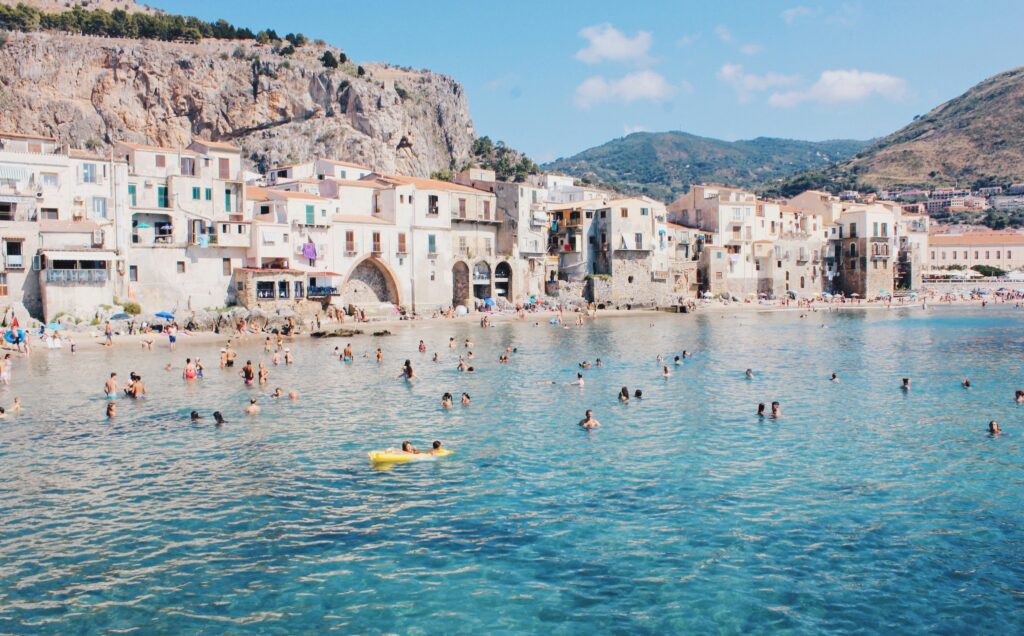
Cefalù balances beaches with medieval charm; Trapani offers salt pans and windmills; Erice sits above the clouds, wrapped in mist and myth.
A few eco-retreats here include sound healing and sea-salt therapies.
4. The Islands
- Aeolian Islands: volcanic archipelago north of Sicily, ideal for boat-based yoga weeks.
- Pantelleria: remote and wild, closer to Tunisia than Italy — hot springs, black rocks, and silence.
Why It Works for Yoga & Wellness
- Elemental Energy: Fire (Etna), Water (Mediterranean), Air (sea breeze), and Earth (volcanic soil) create a perfect four-element balance.
- Authenticity: Wellness here isn’t staged; it’s woven into daily life — fresh food, long walks, laughter.
- Diversity: Choose mountain serenity, island isolation, or coastal light depending on your mood.
- Culture of Connection: Sicilians are warm, expressive, and genuinely hospitable — ideal energy for community-based retreats.
- Healing Landscape: From sulfurous hot springs to crystal bays, nature itself feels therapeutic.
When to Combine With Other Regions
- Pair Sicily + Amalfi Coast for two complementary energies: sea stillness and volcanic vitality.
- Combine Sicily + Umbria if you want both inner quiet and sensory richness.
- Add Malta or Pantelleria for island hopping after your retreat.
Practical Tips
- Transport: Roads are scenic but winding; plan extra time.
- Dress Code: Modest in villages and churches; relaxed at retreats.
- Language: English is understood in tourist areas, but basic Italian helps.
- Cash & Cards: Bring some euros; small cafés may not take cards.
- Safety: Very safe region; just watch for strong sun and mopeds in narrow streets.
- Local Etiquette: Greetings matter; start every conversation with buongiorno or buonasera.
Sample Retreat Itinerary
Morning: Sunrise meditation, yoga overlooking the sea, breakfast of fruit and ricotta.
Midday: Visit to a local market, lunch under vines, rest or journaling.
Afternoon: Optional cultural trip — Greek theatre, vineyard, or swim.
Evening: Gentle restorative yoga or pranayama, followed by communal dinner and stargazing.
It’s not just a schedule — it’s a reminder that life itself can follow this same rhythm: effort, rest, joy, silence.
Final Reflection
Sicily doesn’t whisper serenity — it radiates it.
You come here expecting beauty and leave with something deeper: a renewed pulse that matches the island’s own.
Between Etna’s fire, the sea’s breath, and the easy generosity of its people, you rediscover what vitality feels like when it’s unforced.
That’s the quiet gift of yoga and wellness retreats in Sicily — they don’t teach balance; they let you remember it, in every element that surrounds you.
FAQs: Yoga Retreats in Sicily, Italy
1. Why choose Sicily for a yoga retreat?
Sicily offers a profoundly powerful and diverse energy for transformation. It’s a crossroads of ancient civilizations, set against a dramatic landscape of volcanic mountains, azure seas, and fertile valleys. A retreat here is more than wellness; it’s an immersion into a land of myth, intense beauty, and a culture that deeply embodies the dolce far niente (sweetness of doing nothing). The elemental power of Mount Etna adds a unique, grounding vibration to your practice.
2. What is the general atmosphere and vibe?
The atmosphere is warm, authentic, and intensely sensory. Life moves at its own rhythmic pace. You’ll experience a raw, welcoming authenticity rather than curated perfection. The vibe can range from the bohemian chic of the east coast (Taormina, Siracusa) to the rugged, spiritual solitude of the southwest (Scala dei Turchi, Agrigento) or the untouched nature of the Egadi or Aeolian islands.
3. What is the best time of year for a retreat in Sicily?
- Shoulder Seasons (May-June & September-October): IDEAL. Perfect weather—warm, sunny days and pleasant evenings. The sea is swimmable, landscapes are green or golden, and crowds are manageable. This is the prime time for a balanced retreat.
- Summer (July-August): Intensely hot, especially inland. Coastal retreats thrive with a focus on sunrise/sunset yoga and ample swimming, but expect high temperatures and busy tourist spots.
- Spring (April) & Late Autumn (November): Excellent for solitude, hiking, and cultural immersion. The weather is mild, though the sea may be cool for swimming. Fewer tourists mean a more intimate experience.
- Winter (Dec-Mar): A time for deep introspection, storm-watching, and enjoying empty ancient sites. Some coastal retreats close, but those that remain offer a unique, quiet power.
4. Are yoga sessions held outdoors?
Yes, outdoor practice is central to the Sicilian experience, leveraging its stunning natural teatri (theaters):
- Cliffside & Sea-View Yoga: Overlooking the Ionian or Mediterranean Sea.
- Ancient Site Yoga: In the gardens of historic villas, near Greek temples (Valley of the Temples), or on silent hillsides with ancient ruins.
- Volcanic & Countryside Yoga: On terraces with views of Mount Etna or amidst fragrant citrus groves and vineyards.
A beautiful indoor shala (often with traditional Sicilian tiles) is always available for intense sun or the rare rainy day.
5. What types of activities complement the yoga?
Activities draw on Sicily’s rich tapestry of nature, history, and culture:
- Volcanic Exploration: Guided hikes on the slopes of Mount Etna or the Aeolian Islands.
- Cultural & Historical Immersion: Visits to Greek theaters (Taormina, Siracusa), Baroque towns (Noto, Ragusa), and magnificent cathedrals (Monreale, Cefalù).
- Sea Adventures: Swimming in pristine coves, snorkeling, boat trips to sea stacks and grottoes, and SUP yoga.
- Culinary & Farm Experiences: Hands-on cooking classes on traditional dishes (pasta alla Norma, arancini), visits to organic farms, wine tastings of Etna DOC wines, and tours of olive oil mills.
6. What is the local food like on retreat?
Sicilian cuisine is a world unto itself—vibrant, bold, and vegetable-forward, reflecting its history as a cultural crossroads.
- Street Food Culture: Sample arancini (stuffed rice balls), panelle (chickpea fritters), and cannoli.
- Fresh Seafood: Tuna, swordfish, sardines, and sea urchin.
- Sun-Drenched Produce: Caponata (eggplant stew), tomatoes, citrus fruits (blood oranges, lemons), pistachios from Bronte, and almonds.
- Ancient Grains: Dishes featuring locally grown durum wheat, like pasta and couscous (cuscusu).
7. What should I pack?
Pack for a sun-drenched, active, and culturally rich escape:
- Yoga Wear: Light, breathable fabrics for warm weather.
- Swimwear & Cover-ups: Multiple suits are recommended for daily swims.
- Sturdy Footwear: Hiking shoes/sandals for volcanic terrain and comfortable walking shoes for ancient stone streets.
- Sun Defense Arsenal: High-SPF sunscreen, a wide-brimmed hat, and UV-protection sunglasses are non-negotiable.
- Respectful Cover-ups: A light shawl or scarf for visiting churches and monasteries.
- Evening Layer: A light sweater or jacket for cooler evenings, especially in the shoulder seasons and in hill towns.
8. Is a car necessary to get around?
For a single-center retreat, not necessarily. Many retreats offer organized transfers and excursions. However, to explore Sicily’s diverse attractions independently before or after your retreat, renting a car is highly recommended. Public transport exists but can be infrequent and time-consuming, especially to remote or rural retreat locations.
9. Are these retreats suitable for solo travelers?
Absolutely. Sicily’s warm, open culture and the typically intimate size of retreat groups make it an excellent destination for solo travelers. The shared experiences of exploring such a powerful landscape and cuisine naturally foster deep connections.
10. What makes a Sicilian retreat unique compared to mainland Italian retreats?
It’s defined by its elemental power and layered history. You’re practicing on active volcanic earth, surrounded by ruins of civilizations that shaped the Western world (Greek, Roman, Arab, Norman). The energy is more primal, the flavors more intense, and the sense of place profoundly deep. It’s a retreat for those seeking transformation through connection with raw nature and timeless culture.
More about yoga and wellness in Italy
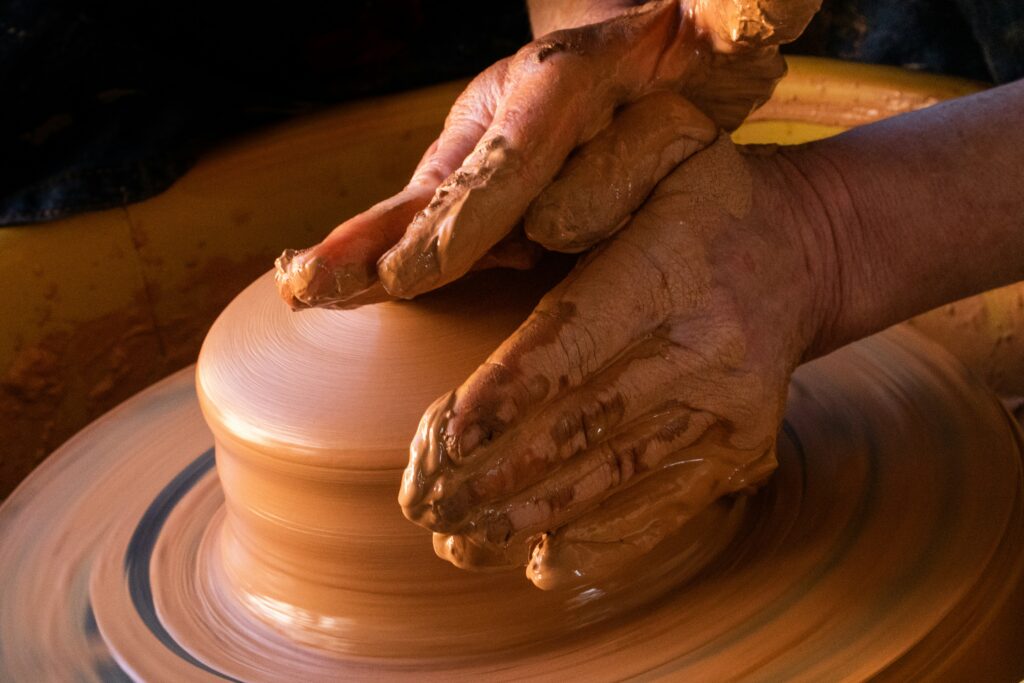
On Craft, Care, and Contemplation
The Hands That Know Before the Mind Does Before words, there was work.Before theory, touch.And…
The Grace of Imperfection: Learning Balance the Italian Way
Perfection doesn’t live long in Italy.Walls crack, frescoes fade, and even the most exquisite ceramics…
Top Wellness Experiences to Combine with a Yoga Retreat in Italy
Italy Beyond the Mat: Top Wellness Experiences to Combine with a Yoga Retreat in Italy…
