Best Yoga Retreats in Italy – Winter 2026

Winter in Italy is the least touristed, most affordable, most authentically Italian season. From December through February, the country functions for locals rather than visitors. Tourist infrastructure closes in many places, prices drop dramatically, and Italy reveals a completely different character.
Winter wellness retreats require honest assessment of whether you embrace cold-weather experiences or merely tolerate them. This isn’t Mediterranean warmth—this is real winter with cold temperatures, short days, and weather that affects what’s possible. The ideal period for an intimate, cozy yoga retreat in Italy.
Our Selection of Yoga and Wellness Winter Retreats in Italy for 2026
Under the Tuscan Sun: A Transformative Experience of Yoga, Photography and Taste. Italy, Tuscany
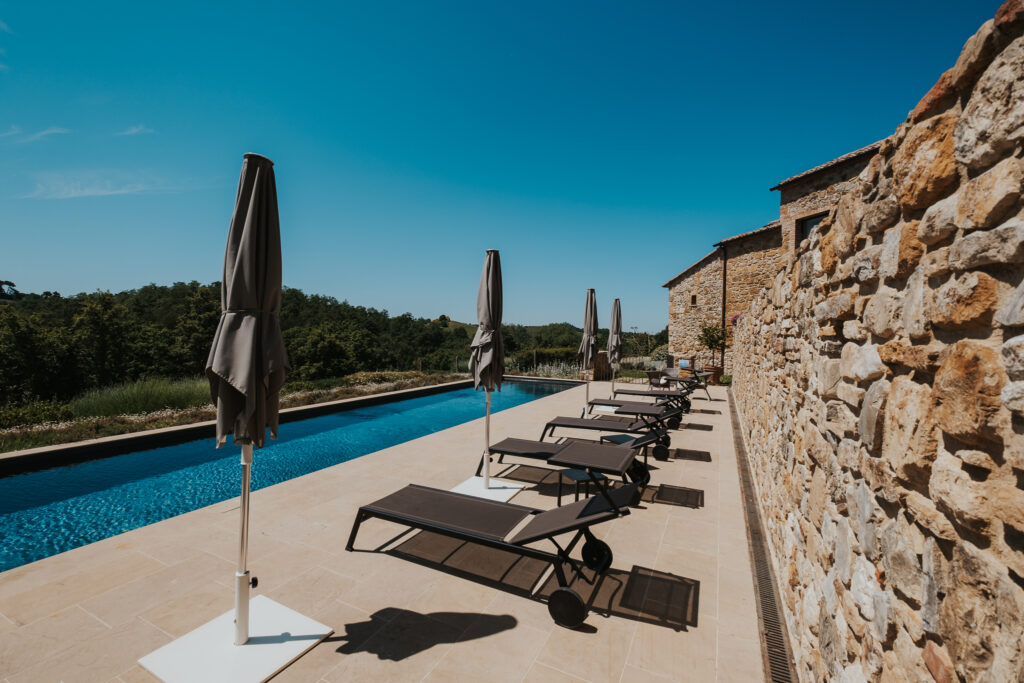
The Sweet Earth Retreat – Italy, Tuscany
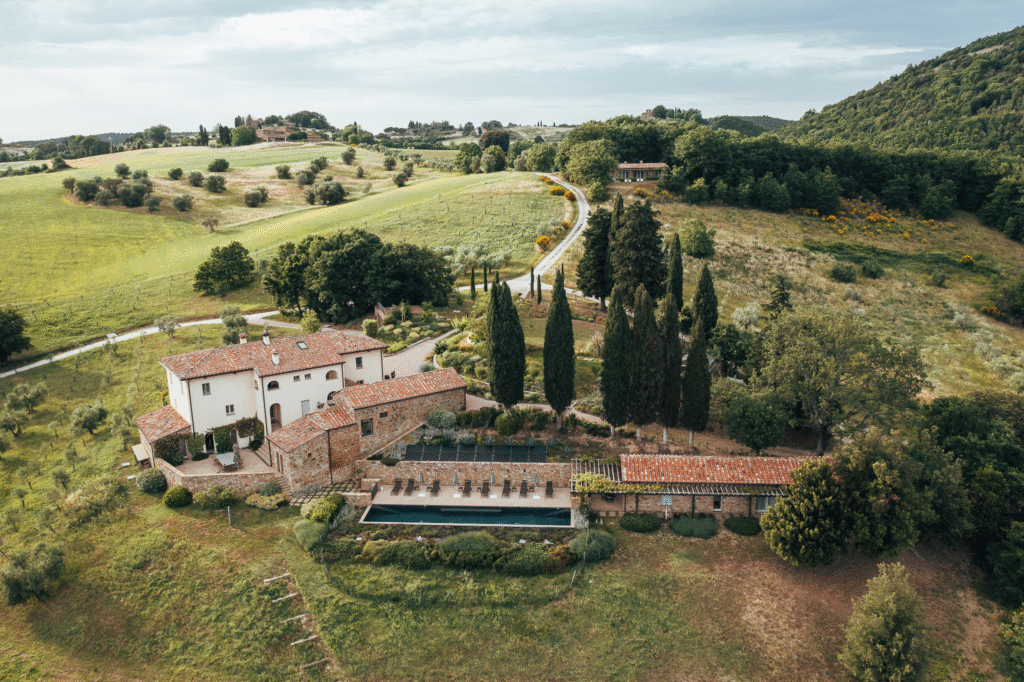
The Sanctuary for the Soul – the VIP Experience – Italy, Tuscany
Winter’s Reality
Italian winter is genuinely cold. December through February sees temperatures from 6-12°C across central Italy, dropping to 0-8°C in the north and mountains. Cities feel damp and chilly. Countryside and higher elevations experience freezing temperatures regularly.
The south stays milder—Sicily and Puglia maintain 10-16°C—but even these regions have proper winter requiring warm clothing and heating.
Mountains have full winter conditions. The Dolomites and Alps see temperatures below freezing, significant snow, and complete transition to winter sports season. This isn’t hiking season—it’s skiing season.
Days are short. Sunset comes around 5 PM in December and January, only improving to 6 PM by late February. Morning darkness lasts until after 7 AM. You’re working with limited daylight throughout winter.
Rain and occasional snow are common. Expect 8-12 rainy days per month. Fog is frequent, especially in the Po Valley and low-lying areas. Weather is variable—clear days mixed with gray overcast periods.
Read also our seasonal guides: yoga retreats in Italy in December, guide to yoga retreats in Italy in January, guide to yoga retreats in Italy in February
For a complete overview: Best yoga retreats in Italy
Why Choose Winter
Despite challenges, winter offers unique advantages. Italy is genuinely quiet in winter. Tourist sites are empty. Cities feel like they belong to locals. You experience authentic Italian life without tourist performance.
Prices drop to yearly minimums—often 40-50% below summer rates. Availability is excellent with minimal booking pressure. Last-minute options exist throughout winter.
The introspective quality of winter supports certain wellness practices beautifully. Silent retreats, meditation intensives, creative programs, therapeutic work—these benefit from winter’s inward energy and reduced external distractions.
Winter landscapes have their own beauty. Snow-covered mountains, frost on bare vines, morning mist in valleys, winter light that’s clear and sharp. This isn’t postcard Italy—it’s deeper, more complex, requires attention rather than announcing itself.

Winter Retreat Types
Mountain ski-and-wellness programs excel in winter. The Dolomites and Alps offer high-end wellness hotels where you can ski mornings, practice yoga afternoons, soak in hot tubs evenings. This combines winter sports with spa and wellness practices—ideal for people who embrace winter activities.
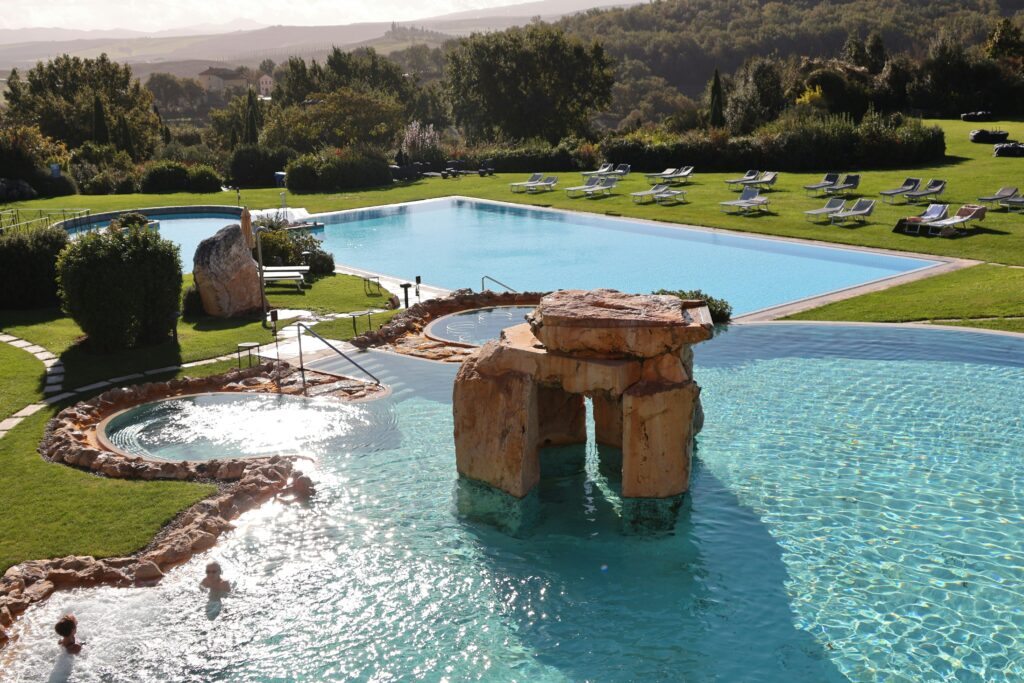
Thermal spa retreats are perfect for winter cold. Hot springs and thermal pools feel sublime when air temperature is near freezing. Sitting in naturally heated water while cold air touches your face is transcendent. Italy’s thermal regions exist for exactly these conditions—Saturnia, Abano Terme, Bagni di Lucca, Montepulciano.
Silent and meditation retreats work beautifully in winter. The season’s darkness and stillness naturally support interior focus. Winter solstice programs around December 21 work with the year’s darkest moment and returning light.
Creative retreats—writing, art, music—thrive when weather limits outdoor time. Winter’s darkness and inward energy support creative work. Many writers specifically seek winter retreats for focused time.
Rest and restoration programs align with winter’s natural energy. The season invites slowing down, deep rest, recovery. Programs emphasizing restorative yoga, massage, gentle movement work naturally with winter.
Regional Winter Approaches
Mountains embrace winter fully. The Dolomites and Alps have complete winter infrastructure—ski facilities, snow activities, winter wellness culture. If you love winter sports or mountain landscapes, this is Italy’s winter strength.
Thermal spa towns are winter sanctuaries. Tuscany’s Saturnia, Veneto’s Abano Terme, smaller thermal villages—these places excel when hot water contrasts with cold air. Weather-independent wellness that actually benefits from cold.
Sicily and the south provide the mildest option. While definitely winter, southern regions avoid harsh cold. You can still do outdoor activities on clear days. This is Mediterranean winter—cool but not frigid.
Countryside properties need excellent infrastructure. Fireplaces, proper heating, cozy common areas, good lighting. Without these elements, winter becomes endurable rather than enjoyable. Historic stone buildings with thick walls and fireplaces work beautifully; properties designed for summer struggle.
Winter Daily Rhythms
Winter retreats necessarily emphasize indoor spaces. Weather doesn’t cooperate with extended outdoor sessions. You need excellent indoor facilities—heated practice spaces, comfortable common areas, spaces that feel welcoming despite limited daylight.
Schedules adjust to short days. Morning practice as daylight arrives, activities during limited daytime hours, evening sessions after darkness falls. Many retreats embrace early evening practice followed by long dinners and conversation—winter naturally encourages community and connection.
The rhythm slows in winter. Summer’s urgency to maximize every daylight hour gives way to patience. Practices can be longer, slower, more thorough. The season supports depth rather than breadth.
Winter Food and Culture
Winter Italian cuisine is hearty and warming. Substantial soups, slow-cooked stews, polenta, braised meats, root vegetables. This is comfort food elevated to art—nonna’s recipes, traditional dishes that sustained families through cold months.
Truffles peak in winter—both black and white varieties. For food-focused retreats, winter offers truffle hunting and truffle-based cuisine.
Winter festivals and traditions add cultural richness. Christmas markets and celebrations, Carnevale in February, winter food festivals. Some retreats incorporate these traditions; others remain intentionally separate.
Winter Practicalities
Book 2-3 weeks ahead for most winter retreats. The weeks around Christmas and New Year require 2-3 months advance booking and command premium prices. Otherwise, availability is excellent.
Pack serious winter clothing. Warm coat, layers, waterproof boots, hat, gloves, scarf. Indoor spaces are heated, but transitioning outside requires proper cold-weather gear.
Verify heating and hot water capacity. Some properties designed for summer operation have inadequate heating for winter. Don’t assume—ask specifically.
Many coastal properties close for winter. Mountain passes may close temporarily due to snow. Remote properties might have limited access during bad weather. Verify year-round operation and accessibility.
Winter Limitations
Swimming is limited to heated indoor pools. The sea is too cold for anyone except cold-water enthusiasts. Outdoor pools are closed.
Beach-based retreats don’t exist in winter. Coastal properties either close or shift focus entirely away from sea and sand.
Outdoor activities are weather-dependent. You need flexibility and backup plans. Some days will be too cold or wet for outdoor practice.
Some regions feel isolating in winter. Surrounding restaurants and facilities may be closed. Transportation can be limited. Choose retreats with complete on-site facilities if you don’t want to venture far.
Who Winter Suits
Winter suits people who embrace cold-weather experiences and find beauty in winter landscapes. It’s excellent for anyone seeking profound quiet and interior focus—winter’s limitations become advantages for deep practice.
It works beautifully for budget-conscious travelers. Winter offers the year’s best value—lowest prices, excellent availability, same locations as summer but fraction of the cost.
Winter is perfect for winter sports enthusiasts who want to combine skiing with wellness in mountain locations.
It suits serious practitioners wanting intensive work without any distractions. Winter’s reduced options mean fewer choices—this simplifies decision-making and supports focus.
If you need warm weather, outdoor activities in sunshine, beach access, or lively atmosphere, winter will frustrate you. But if you’re drawn to winter’s stillness and depth, Italian winter offers authentic seasonal experience at remarkable value.
Italy in winter silence. Browse winter retreats for thermal springs, mountain snow, and the profound inward energy of Italy’s quietest season.
FAQs: Winter Yoga Retreats in Italy
1. What is the overall experience of a winter yoga retreat in Italy?
A winter retreat in Italy is a journey into deep restoration, cozy introspection, and authentic tranquility. It’s a season for turning inward, releasing the year’s stress, and nurturing yourself in a serene, often breathtakingly beautiful, winter landscape. This is the antithesis of a bustling summer holiday—it’s a sanctuary of quiet, warmth, and mindful practice.
2. What is the weather like across the winter months?
Winter brings cool to cold temperatures, with significant regional variation and a magical atmosphere:
- December: The festive gateway to winter. Days are short, with crisp air and holiday decorations. Temperatures range from cool in the south to cold and potentially snowy in the north.
- January: The heart of winter, offering the deepest quiet and most introspective energy. This is the coldest month, with bright, clear days and frosty landscapes ideal for reflection.
- February: A bridge month. While still cold, you begin to feel the subtle lengthening of days. It holds the potential for Carnival (Carnevale) festivities, especially in Venice, amidst the winter chill.
3. What are the main advantages of a winter retreat?
Winter offers unique, profound benefits that are perfect for a reset:
- Ultimate Peace & Authenticity: Experience Italy without tourists. Villages, museums, and thermal baths belong to the locals—and you.
- Focus on Deep Wellness: The rhythm naturally supports restorative yoga, meditation, and immersive spa experiences like thermal springs.
- Cozy, Intimate Atmosphere: Retreats feel like warm, welcoming sanctuaries. Groups are smaller, fostering deep connections.
- Stark, Dramatic Beauty: Witness Italy’s landscapes in a new light—misty valleys, snow-dusted hill towns, and silent, sleeping vineyards.
- Exceptional Value: This is the low season, offering more competitive pricing for a deeply luxurious experience of solitude and care.
4. Are yoga sessions held outdoors?
Outdoor practice is rare and entirely weather-dependent. The focus shifts decisively inward:
- Indoor Sanctuary: All practices are held in beautifully warm, often candlelit studios. Many feature fireplaces, heated floors, and soft blankets to create a womb-like, nurturing environment.
- Occasional Exception: A rare, bright, and windless sunny spot on a sheltered terrace might be used for a brief, invigorating session, but this is a bonus, not an expectation.
5. What types of activities complement the yoga?
The schedule emphasizes warmth, culture, and gentle exploration:
- Thermal Baths & Spa Culture: A cornerstone of Italian winter wellness. Soaking in natural, steaming thermal waters (e.g., in Tuscany’s Saturnia or the Euganean Hills) is a transformative experience.
- Gentle Winter Walks: Invigorating, quiet walks through frosty olive groves, bare vineyards, or along dramatic, empty coastlines.
- Unhurried Cultural Immersion: Have world-class art, archaeology, and architecture virtually to yourself. This is a time for deep appreciation, not rushed sightseeing.
- Culinary & Craft Workshops: Indoor workshops on winter cooking (hearty soups, fresh pasta), wine tasting by the fire, or craft sessions align perfectly with the season.
6. What is the food like on a winter retreat?
The cuisine is hearty, nourishing, and deeply comforting, designed to fuel and warm the body from the inside.
- Seasonal Heartiness: Menus feature truffles (in early winter), wild mushrooms, chestnuts, kale, potatoes, legumes, and slow-cooked stews.
- Rich Flavors: Expect dishes like ribollita, polenta, rich ragù, roasted meats, and hearty bean soups.
- Sweet Endings: Enjoy traditional winter desserts like panettone, castagnaccio (chestnut cake), and warm, spiced wines.
7. What is the #1 packing essential for a winter retreat?
A high-quality, insulated, waterproof winter jacket is absolutely essential. Other crucial items include:
- Warm Layers: Thermal base layers, fleece, wool sweaters, and warm socks.
- Waterproof Footwear: Sturdy, insulated boots with good grip for cold, wet, or potentially icy cobblestones and paths.
- Cold-Weather Accessories: Warm hat, gloves, scarf, and a cozy wrap for the studio.
- Swimsuit: Non-negotiable for the thermal baths and any spa facilities.
- Indoor Comfort: Lounge wear, thick socks, and slippers for cozying up at the retreat.
8. Are winter retreats suitable for beginners?
Absolutely. In fact, the slow, introspective pace and focus on foundational practices like Hatha, Yin, and Restorative yoga can be ideal for beginners. The emphasis is on listening to the body and cultivating inner warmth, not on intense physical exertion.
9. What is the social atmosphere typically like?
The atmosphere is intimate, supportive, and reflective. With smaller groups, connections tend to be deeper and more meaningful. There’s a shared appreciation for quiet, self-care, and authentic experience, making it perfect for solo travelers seeking community and solitude in balance.
10. Who are winter retreats ideal for?
- Those seeking a true digital or mental detox and a profound year-end or year-beginning reset.
- Solo travelers looking for a safe, nurturing environment for reflection and connection.
- Couples or friends desiring a cozy, romantic, and peaceful getaway.
- Wellness enthusiasts who prioritize restorative practices, thermal spa culture, and deep nourishment.
- Travelers and photographers drawn to moody atmospheres, stark beauty, and the authentic rhythm of local life.
11. What are the potential challenges of a winter retreat?
- Cold and Rain: You must come prepared with the right clothing and mindset for winter weather.
- Shorter Daylight Hours: The schedule will adapt to maximize daylight for any excursions.
- Limited Seasonal Closures: Some restaurants or shops in very small tourist towns may close, but retreats plan accordingly, and cities/cultural sites remain fully operational.