Best Yoga Retreats in Italy – March 2026
March is when Italy shakes off winter entirely. Spring arrives officially on the equinox, but honestly, it shows up weeks earlier—wildflowers blanketing meadows, fruit trees blossoming, cafe tables reappearing on piazzas. The light changes from winter’s low slant to spring’s brightness. Everything feels possible again.
This is shoulder season in its sweet spot—pleasant weather without summer’s heat or crowds, moderate prices, locals in good spirits as longer days return. March in Italy feels like the country taking a deep breath after winter’s sleep.
Our Selection of Italy Retreats for March 2026
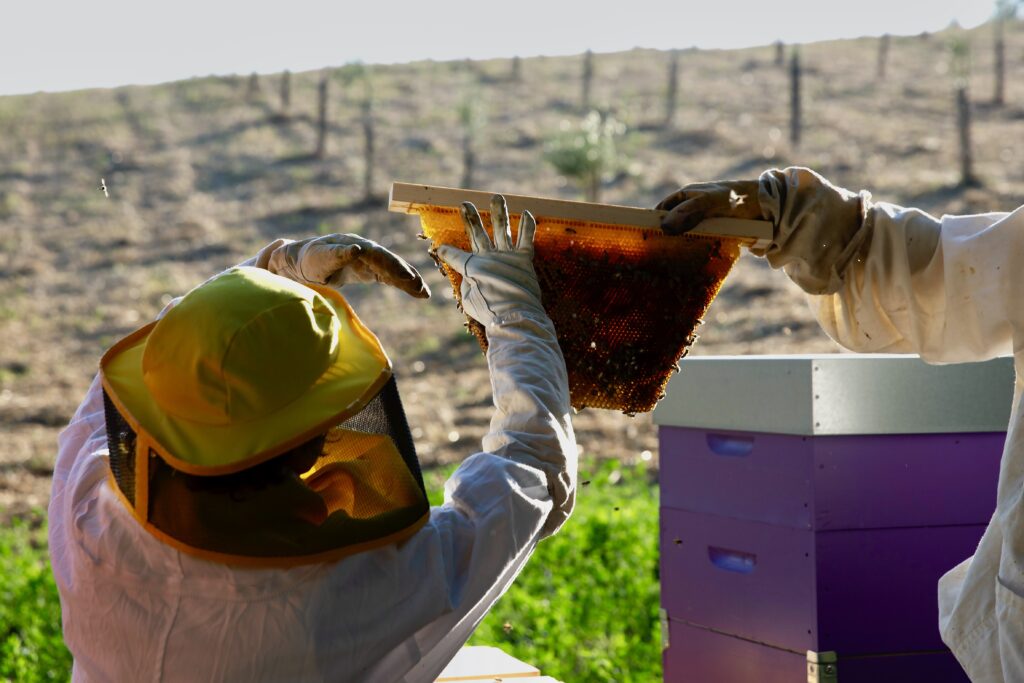
Under the Tuscan Sun: A Transformative Experience of Yoga, Photography and Taste. Italy, Tuscany
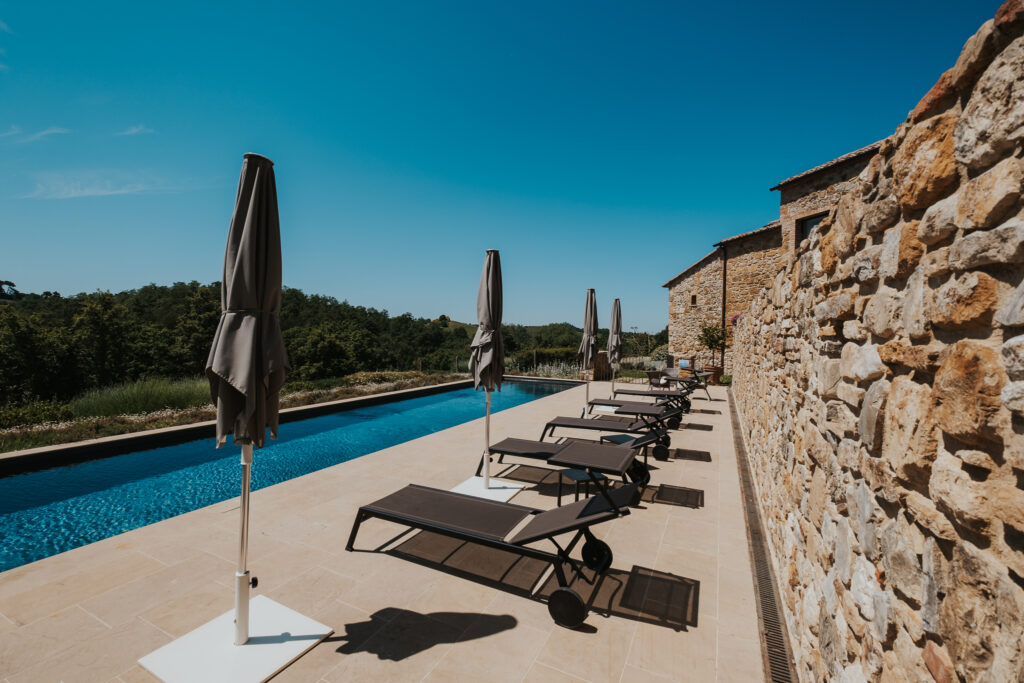
The Sweet Earth Retreat – Italy, Tuscany
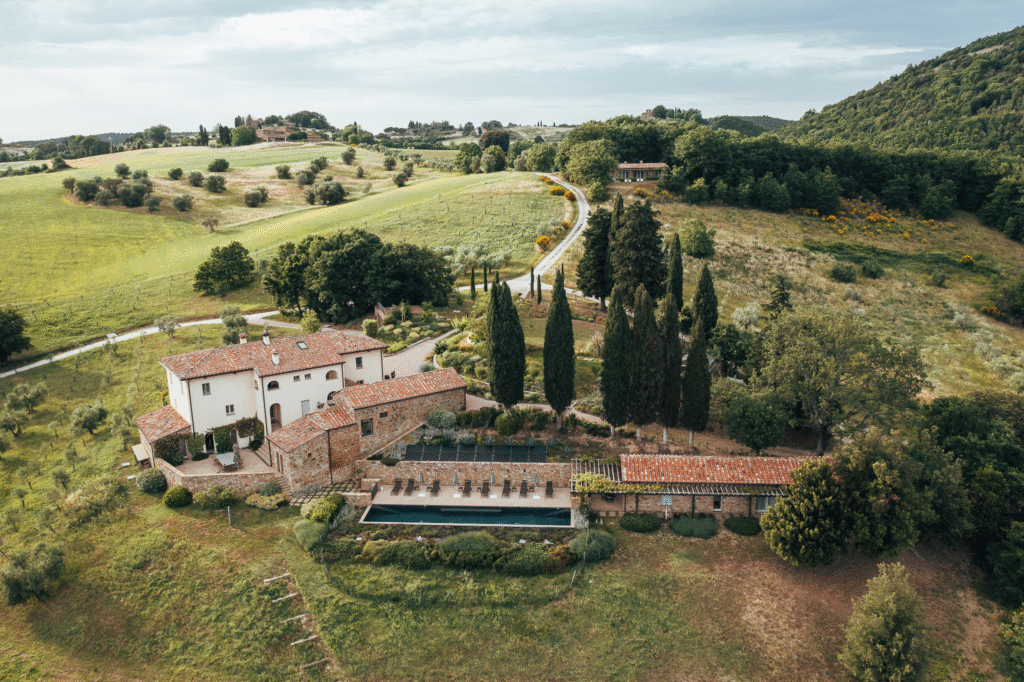
The Sanctuary for the Soul – the VIP Experience – Italy, Tuscany
Spring Weather Arrives
March temperatures in Italy mark a clear departure from winter. Northern regions warm to 8-15°C. Central areas reach 10-17°C. The south and islands enjoy 13-19°C. Warm enough for comfortable outdoor activities without summer’s intensity and perfect for a yoga retreat in Italy.
Rain continues—March gets 7-10 rainy days—but showers become briefer and warmer. Between rain systems, sunshine dominates. That Mediterranean brilliance returns, making colors vibrate and shadows sharpen. The air smells different—less wood smoke, more flowers.
This is hiking weather, outdoor yoga weather, long walking meditation weather. Mornings might need a sweater but afternoons allow t-shirts. The variability means layering works better than committing to either winter or summer clothing.
Days lengthen dramatically. By month’s end, sunset pushes past 7 PM. Daylight savings begins late March in Europe, suddenly giving long, light evenings. The psychological lift matters—you have time after activities to explore, walk, simply exist in pleasant weather.
Read also our monthly and seasonal guides: yoga retreats in Italy in Spring, guide to yoga retreats in Italy in April, guide to yoga retreats in Italy in May
For a complete overview: Best yoga retreats in Italy
Tourism Begins Waking
March sees tourism increase but remains well below summer levels. Easter timing affects this—early Easter brings more visitors, late Easter keeps March quieter. Even with Easter, March visitor numbers stay manageable compared to peak season.
Prices remain reasonable—about 20-30% below high season. Not January’s rock-bottom deals, but still affordable while weather improves dramatically. The value proposition becomes excellent.
More restaurants and shops reopen after winter closures. Tourist infrastructure comes back online. You gain services and options while maintaining some off-season authenticity. The balance tips toward convenience without losing character.
Where to Go in March
Tuscany in March might be Italy’s best secret. The famous landscapes turn green and flowered. Poppies appear in fields. Fruit trees blossom. The light becomes that quality Renaissance painters tried to capture. Without summer crowds, you can actually stop anywhere beautiful without fighting for parking or contending with tour buses.
Hill towns like Montepulciano, Pienza, and San Gimignano become accessible again. Their medieval stones warm in spring sun. Cafes set out tables. Locals linger in piazzas. This is Tuscany as it’s meant to be experienced—slowly, appreciatively, without hurry.
The Amalfi Coast comes fully alive in March. Hotels reopen. Restaurants resume full menus. The Path of the Gods hiking trail becomes perfect—challenging but not scorching, views without summer haze. Positano’s pastel buildings catch spring light beautifully. For those seeking warmer coastal conditions, May retreats in Italy offer even more reliable beach weather.
Sicily’s spring arrives fully in March. Almond blossoms finish but wildflowers take over. Temperatures become genuinely pleasant. Greek temples at Agrigento, Selinunte, and Segesta gain accessibility without summer heat or crowds. This is ideal Sicily timing.
Umbria offers everything Tuscany does with fewer visitors and lower prices. The “green heart of Italy” becomes literally green in March. Monastery retreats, hill towns, truffle forests—all more accessible as weather improves.
Outdoor Practice Returns
March makes outdoor yoga viable again. Morning sessions might be cool but by mid-morning, practicing outside becomes pleasant. The spring energy supports more active practices—vinyasa flows, longer hikes, stronger asana work.
Hiking becomes a primary activity. The landscape bursts with new growth. Trails through olive groves, along coastal cliffs, up mountain paths—all become accessible without winter’s cold or summer’s heat. The Via Francigena pilgrimage route becomes walkable. Tuscany’s extensive hiking network opens up.
Cycling and yoga retreats flourish in March. Tuscany’s rolling hills challenge without overwhelming. Quiet roads wind through vineyards and medieval towns. The famous white roads (strade bianche) between Siena and Montalcino become legendary bike routes.
Cultural Access Improves
March brings better access to Italy’s cultural treasures. Museums remain manageable. Churches open their doors without the press of summer crowds. You can actually spend time with Michelangelo’s David in Florence or Caravaggio’s paintings in Rome without fighting hordes.
Easter timing affects this. Holy Week draws pilgrims to Rome and religious sites throughout Italy. If your retreat includes Easter week, expect crowds at major churches and religious sites. If it doesn’t, you miss the spectacle but gain emptier museums and monuments.
Spring festivals begin. Many towns hold traditional celebrations tied to spring’s arrival—blessing of fields, processions, local saint days. These aren’t tourist attractions but community traditions you’re welcome to witness.
Food Shifts Seasonally
March menus transition from winter’s heavy braises to spring’s lighter fare. Artichokes dominate—carciofi alla romana, carciofi alla giudia, raw shaved over salad. Fava beans appear. Asparagus shows up wild and cultivated. Lamb becomes traditional for Easter.
This seasonal eating isn’t wellness theater but how Italians actually eat. Cooking classes in March teach you to work with spring vegetables, understand seasonality, appreciate ingredients at their peak. It’s education that translates home.
Practical Considerations
Easter affects March dramatically. Easter week and the preceding week see increased visitors, higher prices, and fuller bookings. Some retreats offer special Easter programs. Others close for the holiday. Confirm retreat schedules against Easter timing.
Most retreats operate fully by March. Selection expands significantly compared to winter months. Book a few weeks ahead rather than months—you have flexibility without losing options entirely.
Weather variability demands adaptable planning. Some days might be rainy or cool. Others brilliantly sunny. Accept this as spring’s nature rather than failure of forecasts.
What to Pack
Layers become essential. T-shirts for warm afternoons. Sweater for cool mornings and evenings. Light jacket for rain or wind. The temperature range spans 20°C across a single day.
Light rain jacket. Comfortable walking shoes—you’ll do more outdoor exploring. Sunglasses and sun hat—the sun gains strength. Sunscreen for increasingly intense UV.
Swimsuit for thermal baths or optimistic coastal swimming. Comfortable yoga clothes suitable for outdoor practice. Something nice for evening meals.
Is March Right for You?
Choose March for spring arrival, pleasant weather, manageable crowds, flowering landscapes, outdoor activities, and good value. This is Italy at its most hopeful and accessible—winter gone, summer not yet arrived.
FAQs: Yoga Retreats in Italy in March
1. What is the weather like in Italy during a March retreat?
March is a transitional month, where winter loosens its grip and spring begins to awaken. Weather is variable but generally mild and refreshing.
- Northern Italy: Days are cool, with temperatures ranging from 5-15°C (41-59°F). Mornings can be crisp, and rain is still possible, but sunny afternoons become more frequent.
- Central Italy (Tuscany, Umbria): Pleasant and gradually warming, with averages of 8-18°C (46-64°F). You’ll experience a mix of bright, sunny days ideal for outdoor time, and occasional spring showers.
- Southern Italy & Islands: The warmest option, with temperatures between 12-20°C (54-68°F). Early spring blooms appear, and sunshine is abundant, though rain can still occur.
2. Can we practice yoga outdoors?
Yes, with the right timing. March offers increasing opportunities for outdoor practice as the month progresses. Sessions may be held on sheltered terraces, in sunny courtyards, or in gardens beginning to bloom. Instructors will choose the warmest parts of the day, and all retreats have a beautiful, heated indoor studio as a cozy backup for chillier or wetter moments.
3. What is the unique seasonal appeal of a March retreat?
March is a retreat of awakening and new beginnings. It’s perfectly timed for a spring reset, offering:
- Symbolic Renewal: Align your personal renewal with nature’s—the first wildflowers bloom, days grow longer, and the energy is palpably uplifting.
- Quiet Exploration: This is the calm before the spring tourist swell. You’ll enjoy cultural sites, villages, and trails in peaceful serenity.
- Seasonal Shift: Experience the dynamic transition from winter’s introspection to spring’s expansion, reflected in both the landscape and the practice.
4. What activities can I expect beyond yoga?
Activities blend the last of winter’s coziness with the first adventures of spring:
- Spring Hikes: Walk through awakening landscapes—see almond blossoms in the south, green shoots in the countryside, and enjoy trails free of summer crowds.
- Cultural Visits in Peace: Museums and historic centers are wonderfully quiet. This is an ideal time for art and architecture without queues.
- Thermal Spa Visits: The cooler days make soaking in Italy’s natural thermal baths a deeply soothing experience.
- Local Festivals: You may encounter authentic celebrations for International Women’s Day (Festa della Donna) on March 8th with mimosa blossoms, or Saint Joseph’s Day (Festa di San Giuseppe) on the 19th, with traditional pastries.
5. What will the food be like?
The cuisine is a joyful celebration of early spring’s first harvests, marking a shift from hearty winter dishes to brighter flavors:
- The Arrival of Green: Menus feature artichokes, fava beans, wild asparagus, spring onions, and fresh leafy greens.
- Lighter Touch: Dishes begin to incorporate more fresh herbs, lighter sauces, and simpler preparations that highlight the quality of new produce.
- Cooking Classes: Often focus on seasonal specialties like Vignarola (Roman spring stew), fresh pasta with wild herbs, or artichoke-based dishes.
6. Is March a crowded time for travel?
No, March is wonderfully quiet (excluding city breaks for Easter if it falls in March, which it does not in 2026). You’ll experience an authentic, local pace of life and have significant space to yourself at major sights and in the countryside.
7. What should I pack?
The key is versatile layering to adapt to changeable conditions:
- Layers: Pack t-shirts, long-sleeve tops, a warm sweater/fleece, and a waterproof and windproof jacket.
- Footwear: Comfortable, water-resistant walking shoes or boots for potentially damp trails and cobblestones.
- Accessories: A scarf, hat, and gloves for cooler mornings; sunglasses and sunscreen for sunny afternoons.
- Yoga Attire: Suitable for both a warm studio and potentially cooler outdoor practice.
- Swimsuit: For thermal baths or any indoor spa facilities.
8. Are March retreats good for solo travelers?
Yes, they are excellent. The intimate group size and focused atmosphere on renewal often create a strong, supportive community. It’s a meaningful time for solo travelers to reflect, set intentions, and connect with like-minded individuals.
9. Is this a good value season?
Yes, March offers excellent value. It is firmly in the low-season for tourism, meaning more competitive pricing for flights and retreats, while providing a uniquely beautiful and peaceful experience of Italy on the cusp of spring.
10. Who is an ideal guest for a March retreat?
- Those seeking a meaningful “spring cleaning” for mind and body.
- Travelers who prize tranquility and authentic local culture over crowded hotspots.
- Nature lovers eager to witness the first blooms and awakening landscapes.
- Anyone who enjoys dynamic, changeable weather and the crisp, fresh air of early spring.