
Best Yoga Retreats in Italy | January 2026
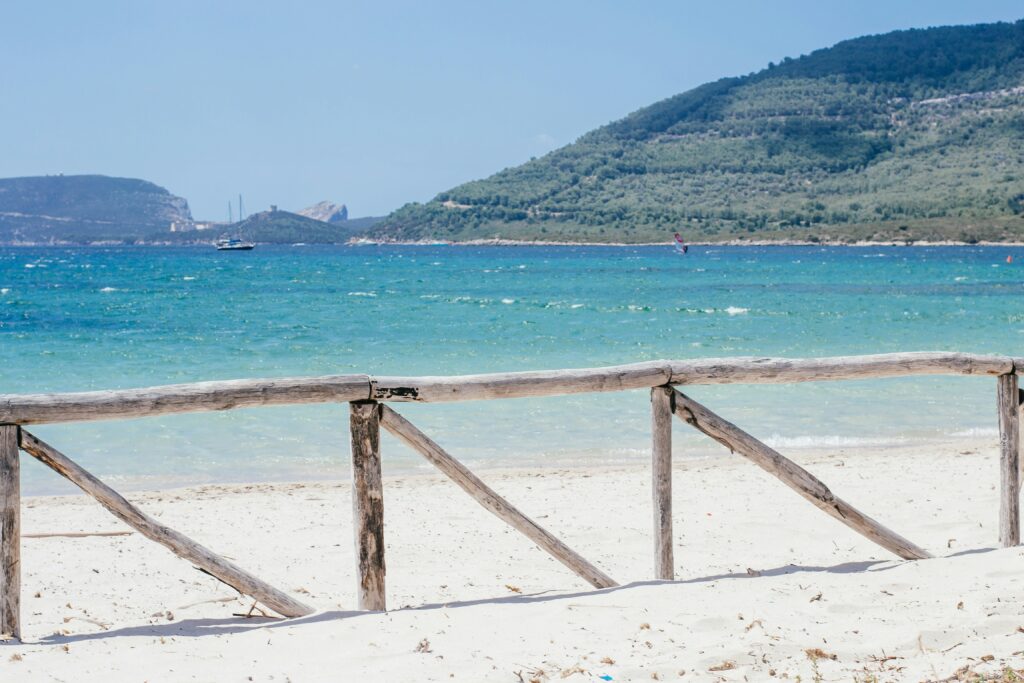
January isn’t what most people picture when they dream of yoga retreats in Italy . The beaches are empty, the mountains are snowy, and the tourist crowds have vanished. But that’s exactly what makes it compelling for wellness retreats.
This is Italy at its most authentic—when locals reclaim their towns, when ancient thermal baths steam in the winter air, when Tuscan hills are bare and honest rather than postcard-perfect. The weather demands you move slowly, linger over meals, spend afternoons in hot springs.
Winter in Italy teaches you what Italians have always known: that dolce far niente (the sweetness of doing nothing) isn’t laziness but wisdom.
Our Selection of Italy Retreats – January 2026
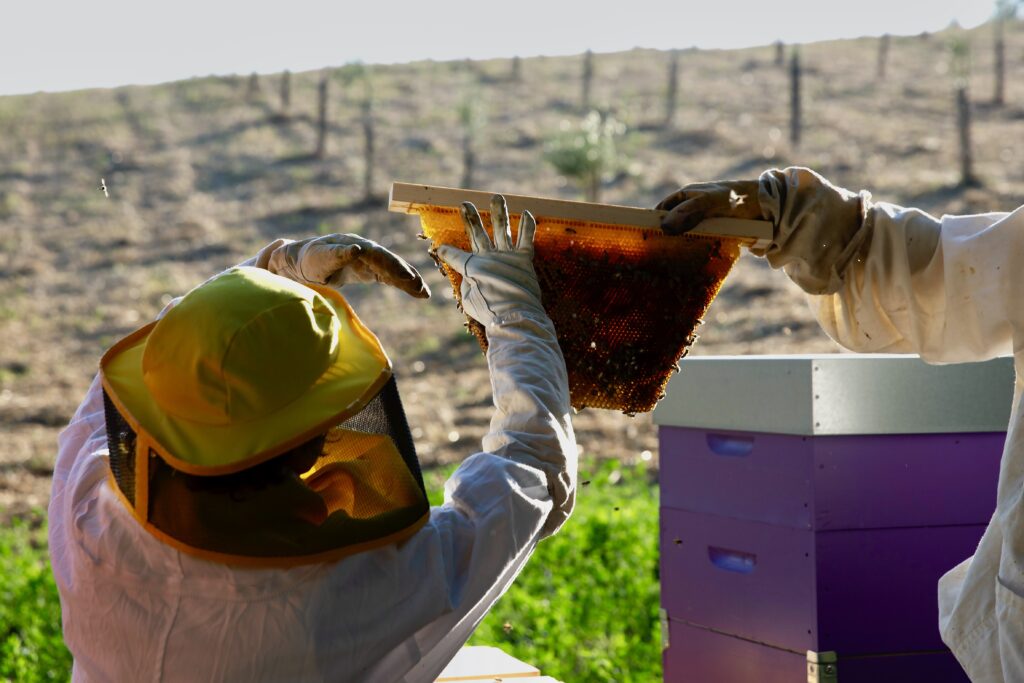
Under the Tuscan Sun: A Transformative Experience of Yoga, Photography and Taste. Italy, Tuscany
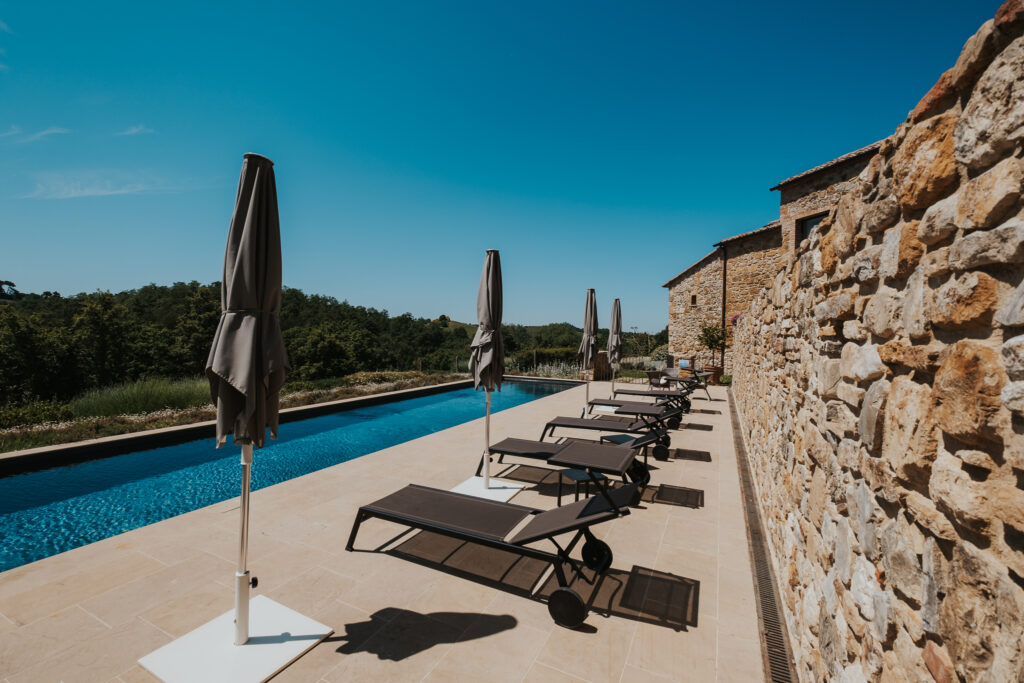
The Sweet Earth Retreat – Italy, Tuscany
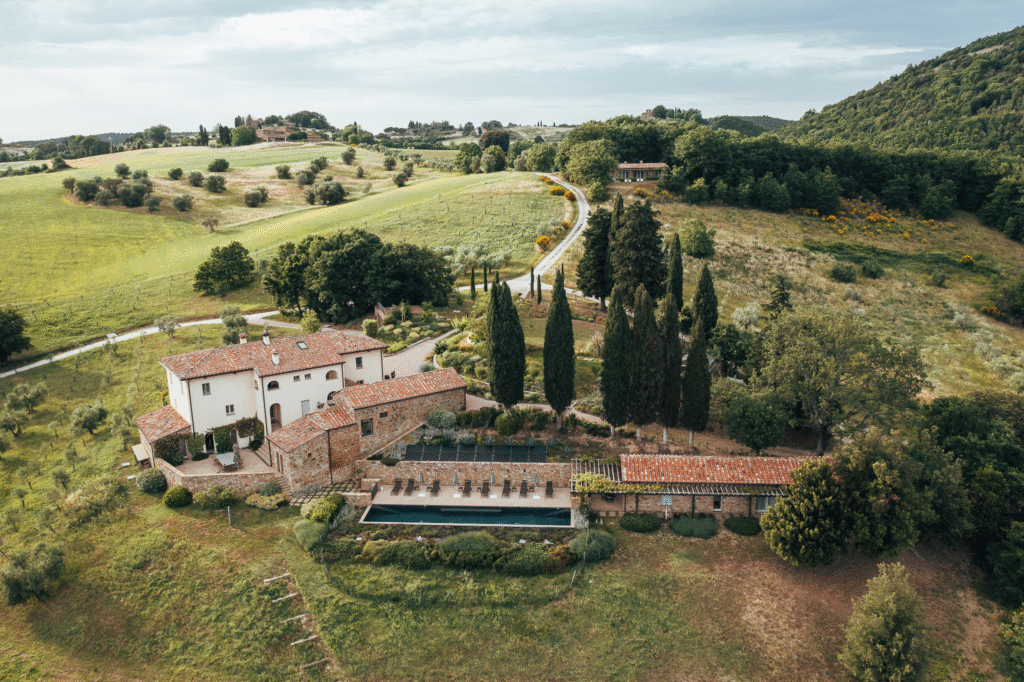
The Sanctuary for the Soul – the VIP Experience – Italy, Tuscany
Winter Weather Reality check
January temperatures in Italy vary dramatically by region. The north gets genuinely cold—Milan and Venice hover around 2-8°C with frequent fog and occasional snow. Central regions like Tuscany and Umbria range from 4-12°C, often gray but occasionally brilliant. The south and Sicily stay milder at 8-15°C with more sunshine breaking through.
Rain falls regularly, though not constantly. Expect about 8-10 rainy days per month. Between systems, the light becomes extraordinary—that clear, golden quality that Renaissance painters obsessed over. Mountains receive snow, creating stunning backdrops for valley retreats.
This isn’t beach weather or outdoor yoga at dawn weather. It’s thermal baths weather. Hot stone massage weather. Meditation hall weather. The season pushes you indoors, and Italian architecture makes indoors beautiful—frescoed ceilings, terracotta floors, massive fireplaces, and those deep windowsills perfect for reading with espresso.
Read also our monthly and seasonal guides: yoga and wellness retreats in Italy in February, guide to yoga and wellness retreats in Italy in March, guide to yoga and wellness retreats in Italy in winter
For a complete overview: Best yoga retreats in Italy
The Off-Season Advantage
January sees Italy’s lowest tourist numbers. Florence without queues. Rome’s piazzas populated by actual Romans. Venice eerily beautiful in winter fog. This dramatic decrease in visitors transforms the experience from observing Italy to inhabiting it.
Prices drop significantly—often 30-50% below high season rates. Retreats offer deals. Hotels negotiate. Even restaurants become more relaxed about reservations. Your money stretches further while experiencing more authentic Italy.
The absence of crowds means locals have time and patience for interaction. Restaurant owners chat. Shopkeepers give directions. Conversations happen naturally rather than transactionally. You’re a welcome guest rather than tourist number 47 of the day.
Where to Go in January
Tuscany in winter reveals its bones—the architecture, the landscape, the culture stripped of summer prettiness. Hills turn brown and gold. Cypress trees stand stark against gray skies. Medieval towns hunker down around their piazzas. This is Tuscany for people who want substance over scenery.
The thermal regions of Tuscany—around Saturnia, Montepulciano, and Rapolano Terme—become particularly appealing. Natural hot springs steam in winter air. Ancient thermal baths offer refuge from cold. Many retreats build January programs around hydrotherapy, taking advantage of the season’s invitation to warmth and healing.
Umbria offers similar landscapes with even fewer visitors. The “green heart of Italy” shows its medieval towns, monastery retreats, and truffle-hunting traditions. January is peak truffle season, and some retreats incorporate truffle experiences into their programs—a very Italian way of combining wellness with sensory pleasure.
Sicily surprises in winter. Milder temperatures, more sunshine than the north, and dramatic off-season emptiness. The ancient Greek temples stand in solitude. Baroque cities like Noto become navigable again. Mount Etna wears snow while coastal towns stay comfortable. This is Sicily for people who want to experience rather than photograph it.
The Dolomites embrace winter fully. Snow-covered peaks, Nordic skiing, snowshoeing through forests. Alpine retreats offer a different wellness approach—active winter sports balanced with spa treatments, hearty local food, and the profound quiet of mountains in snow.
Thermal Culture
January is when Italy’s thermal tradition makes complete sense. Romans built baths throughout Italy two thousand years ago, and the practice never stopped. These aren’t spa treatments invented last decade—this is ancient wellness that’s been continuously refined.
Saturnia’s cascading hot springs steam year-round, but in January the contrast between cold air and hot sulfurous water becomes transcendent. Ischia’s thermal parks offer multiple pools at different temperatures. Montecatini Terme maintains grand Belle Époque spa buildings where thermal waters treat digestive and liver conditions.
Many retreats integrate thermal bathing into daily rhythms—morning practice, thermal baths, lunch, rest, afternoon activities, evening baths. The heat penetrates cold muscles. Minerals work on skin and joints. The enforced stillness of soaking creates meditation without trying.
Indoor Practice Benefits
January pushes wellness practice indoors, which Italian architecture makes magnificent. Yoga in converted monasteries with vaulted ceilings. Meditation in Renaissance villas with frescoed walls. The spaces themselves support practice—they’ve held contemplation and devotion for centuries.
This inward focus suits certain types of work. Deep meditation retreats. Restorative yoga rather than power vinyasa. Artistic practices like writing or painting retreats. The season’s energy supports introspection, and Italian culture respects the need for inner work.
Cooking classes flourish in January. Winter produce appears—cavolo nero, radicchio, chestnuts, citrus from Sicily. You learn to make ribollita (twice-cooked Tuscan soup), fresh pasta, slow-braised meat that warms stone houses. The cooking itself becomes meditation—the rhythmic kneading, the patient simmering, the mindful tasting.
Cultural Immersion
January allows genuine connection with Italian daily life. You’re not observing culture through tourist infrastructure—you’re participating in it. Markets serve locals buying seasonal vegetables. Cafés fill with Italians taking their morning cappuccino. Trattorias cook for neighborhood regulars, not tour groups.
January 6th brings Epiphany celebrations—La Befana, the witch who brings gifts to children. Local festivals, processions, traditional foods. These aren’t performed for tourists but lived by communities. Being present for them feels like privilege rather than entitlement.
Art becomes accessible. Florence’s Uffizi without summer crowds. Vatican Museums navigable. Small churches unlocked for anyone who wants to sit quietly. You can spend time with paintings and sculptures rather than fighting crowds to glimpse them.
Practical Considerations
Some rural retreats close January through March. Check operating schedules. Those staying open often offer special winter programs at reduced rates. The selection narrows but quality remains high.
Transportation runs normally despite fewer tourists. Trains are reliable and comfortable. Rental cars give flexibility for countryside exploration, though mountain roads may require chains. January is when Italians travel domestically, so book trains early for weekend travel.
Pack for variable indoor temperatures. Italians heat homes differently than northern Europeans expect—less central heating, more space heaters and fireplaces. Layers work better than counting on constant warmth.
What to Pack
Warm layers are essential. Good sweater, warm jacket, scarf, hat, gloves. Waterproof boots or shoes. Rain jacket. Italians dress well even casually, so avoid looking too sporty outside actual activities.
Swimsuit for thermal baths. Comfortable yoga clothes that work across temperature ranges. Something nice for evening meals—Italians respect the ritual of dining.
Small umbrella. Water bottle. Italian plugs (Type L, different from most of Europe). Power adapter. Book or journal—January evenings invite reading and reflection.
Is January Right for You?
Choose January for authentic Italy, significantly lower prices, profound quiet, thermal culture, and introspective retreat focus. This is Italy without performance, just daily life that happens to be Italian.
Skip January if you require warm weather, outdoor activities, beach time, or guaranteed sunshine. If winter’s chill doesn’t appeal, consider Italy’s spring season, when temperatures warm and the countryside bursts into bloom.
January suits experienced travelers comfortable with weather variability, budget-conscious visitors, those seeking cultural immersion over resort experience, and wellness practitioners prioritizing inner work over outer activities. Italy in January offers what summer never can—the space to actually be present rather than rushing to see everything before the crowds arrive.
FAQs: Yoga Retreats in Italy in January
1. What is the weather like in Italy during January?
January is the heart of the Italian winter, offering crisp, cold, and clear conditions perfect for introspection. Expect regional variations:
- Northern Italy & The Alps: Cold and often snowy, with temperatures ranging from -5 to 5°C (23-41°F). Mountainous areas like the Dolomites are winter wonderlands, ideal for post-yoga fireside relaxation.
- Central Italy (Tuscany, Umbria): Chilly and atmospheric, with averages of 2-10°C (36-50°F). You’ll experience bright, sunny days, frost-covered landscapes, and occasional rain or rare snow in hill towns.
- Southern Italy & Islands (Sicily, Puglia): The mildest option, with temperatures between 8-15°C (46-59°F). While days can be surprisingly sunny and pleasant, evenings are cool, and rain or wind is possible.
2. Are yoga sessions held outdoors?
Almost all yoga and meditation practices are held indoors in beautifully warm, inviting studios. January’s weather is generally not conducive to outdoor practice, but retreats maximize coziness with heated floors, fireplaces, candlelight, and tranquil settings. The focus is on creating a warm sanctuary for deep winter practice.
3. What makes a January retreat unique?
A January retreat is a true reset—a “New Year, New You” experience in its purest form. It’s designed for:
- Profound New Beginnings: Set powerful intentions for the year ahead through dedicated practice, meditation, and reflection in Italy’s serene winter landscape.
- Ultimate Tranquility: This is the quietest tourism month. You’ll experience villages, cities, and countryside in a state of peaceful, local authenticity.
- Deep Restoration: The rhythm is slow and nourishing, focusing on rest, detoxification, and holistic wellness to combat winter lethargy.
4. What activities complement the yoga practice?
The schedule embraces the season’s opportunities for warmth and culture:
- Thermal Springs & Spa Time: A highlight of Italian winter wellness. Many retreats include visits to historic thermal baths (like Saturnia or Montegrotto), where you can soak in naturally heated, mineral-rich waters.
- Cultural Exploration Without Crowds: Have world-class museums, ancient ruins, and empty medieval streets virtually to yourself.
- Winter Hikes & Nature Walks: Enjoy invigorating walks through silent, misty olive groves, bare vineyards, or along dramatic, crowd-free coastlines.
- Workshops: Often focused on intention-setting, breathwork for energy, or the principles of dolce far niente (the sweetness of doing nothing).
5. What kind of food is served?
The cuisine is deeply nourishing, seasonal, and comforting, designed to warm you from the inside out:
- Menus feature hearty legumes (lentils, a symbol of good fortune for the New Year), winter greens, roasted root vegetables, polenta, and rich, slow-cooked stews.
- Citrus is at its peak, providing vibrant flavor and vitamin C.
- Cooking classes might focus on traditional bean soups, wholesome bread-making, or preparing seasonal vegetable dishes that celebrate cucina povera (humble, ingenious cooking).
6. Is everything open in January?
Yes, but with a local rhythm. While some smaller, family-run shops or restaurants in tourist towns may take a extended holiday until January 6th (Epiphany), most cultural sites, larger businesses, and all retreat venues operate fully. The post-holiday period (after Jan 6) sees a full return to normalcy. Retreats expertly navigate any schedule adjustments to ensure a seamless experience.
7. What is essential to pack?
Packing for warmth and comfort is non-negotiable:
- Serious Layers: Thermal base layers, fleece or wool mid-layers, and a high-quality, waterproof, and insulated winter coat.
- Essential Accessories: Warm hat, gloves, scarf, and thick socks.
- Footwear: Sturdy, waterproof boots with good traction for walking on potentially wet, cold, or uneven surfaces.
- Indoor Comfort: Cozy lounge wear, thick socks or slippers, and a comfortable robe.
- Yoga Attire: Flexible layers suitable for a heated studio.
- Swimsuit: Crucial for thermal baths, saunas, steam rooms, or any spa facility.
8. Are January retreats social or solitary?
They offer a perfect balance. The atmosphere is intimate and conducive to meaningful connection with a small group of like-minded travelers, making it excellent for solo visitors. Simultaneously, the season’s inherent quiet and the retreat’s focus on introspection provide ample space for personal solitude and reflection.
9. Is January a good value for a retreat?
Absolutely. January is part of the low-season for travel in Italy (excluding the New Year’s week). This often translates to lower flight and accommodation costs and the priceless value of experiencing Italy’s iconic landscapes and culture in a state of profound peace and authenticity you won’t find any other time of year.
10. Who is the ideal guest for a January retreat?
- Individuals seeking a powerful, intentional start to their year away from distractions.
- Solo travelers looking for a supportive environment for growth and renewal.
- Those who wish to experience Italy without crowds and connect with its authentic winter atmosphere.
- Anyone in need of deep mental and physical restoration, combining yoga, thermal spa culture, and nourishing food.
- Travelers who appreciate the stark, elegant beauty of the Italian winter landscape.
