Wellness Retreats in Italy | Winter 2026: Deep Restoration
Winter in Italy embodies the profound stillness of the dormant season—a three-month period from December’s festive darkness through January’s deep quiet to February’s emerging light. This entire season represents nature’s invitation to journey inward, rest deeply, and cultivate the inner resources that sustain us through the year’s cycles. The Italian landscape transforms during these months—snow blankets the mountains revealing elegant contours, bare trees stand in graceful meditation, and the quality of light becomes soft and reflective.
Average temperatures progress from 5-12°C in December to 3-10°C in January before beginning their slow ascent to 5-13°C in February, creating conditions that naturally support rest, reflection, and restoration. From the snow-covered Dolomites to the peaceful thermal springs of Tuscany to the quiet cultural cities, winter provides a container for deep personal work, free from the distractions of other seasons, making it ideal for wellness retreats focused on comprehensive restoration and inner cultivation.
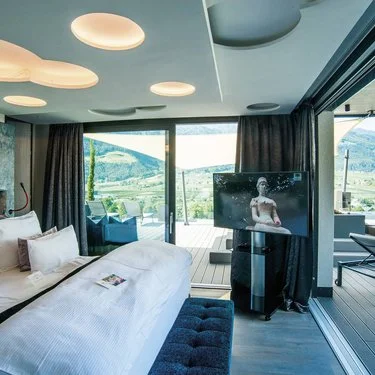
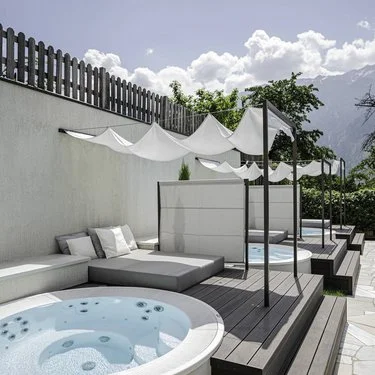
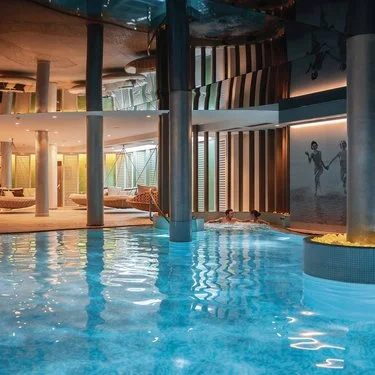
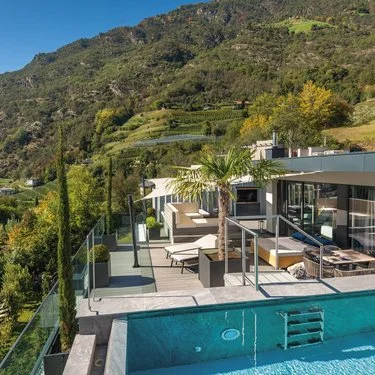
Our selection of wellness retreats in Italy – Winter 2026


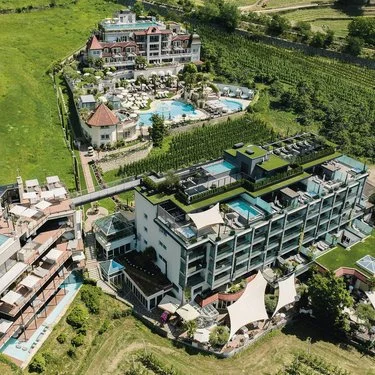
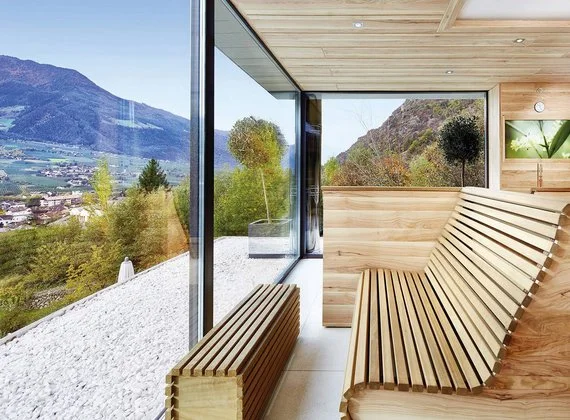
Why Winter’s Stillness Supports Nervous System Recovery
Winter’s quiet energy and limited daylight create optimal conditions for programs emphasizing deep nervous system recovery and comprehensive restoration. The cool temperatures and reduced daylight naturally slow metabolic processes, supporting more restorative forms of movement, longer sleep periods, and reduced sensory input. This biological slowing creates essential space for the nervous system to recover from accumulated stress and for the immune system to strengthen. The landscape’s stark beauty—stripped of seasonal distractions—provides powerful metaphors for essentialism and focusing on what truly sustains wellbeing.
Check out our guides: Wellness retreats in Italy in October, Wellness retreats in Italy in November, Wellness retreats in Italy in December
And our selection of best wellness retreats in Italy for 2026
The increased indoor time supports practices like meditation, journaling, and education that often get neglected during more active seasons. This combination of physiological slowing, reduced external stimulation, and contemplative focus creates powerful conditions for addressing root causes of imbalance, recovering from burnout, and establishing sustainable self-care practices that support wellbeing through the entire year. The darkness itself becomes a therapeutic container for rest and the cultivation of inner light.
Deep Restoration Programs
- Nervous System Reset – Comprehensive programs targeting recovery from chronic stress and sympathetic dominance
- Winter Yoga Evolution – Practices that progress from deeply restorative forms to more energizing flows as light returns
- Darkness Meditation Series – Practices using winter’s extended darkness for introspection, dream work, and inner light cultivation
Winter Resilience Practices
- Immune Support Programs – Workshops combining nutrition, lifestyle practices, and stress reduction for winter wellness
- Thermal Hydrotherapy – Warm water therapies that counteract winter chill, support circulation, and promote relaxation
- Self-Care Ritual Creation – Programs focused on establishing sustainable daily practices for darker months and beyond
Winter Wellness Specializations
Winter’s quiet energy and specific climate conditions support specialized wellness approaches that leverage the entire season’s restorative potential. Many wellness retreats in Italy focus on ‘comprehensive restoration’—helping participants recover from accumulated stress and build sustainable resources for the year ahead. The cool weather supports extensive thermal therapies—saunas, hot tubs, and thermal springs—that are particularly appreciated during colder months.
Nutrition programs emphasize grounding, warming foods—root vegetables, winter squash, legumes, and nourishing fats—that provide sustained energy and immune support. Movement practices prioritize restorative forms that support joint health, flexibility, and nervous system balance during cooler months. The entire season also features specialized programs for immune system optimization, sleep restoration, and emotional resilience—all particularly valuable during winter when natural energy is lower and immunity is challenged. The quiet atmosphere allows for deeper therapeutic work and personalized attention.
Top Winter Destinations
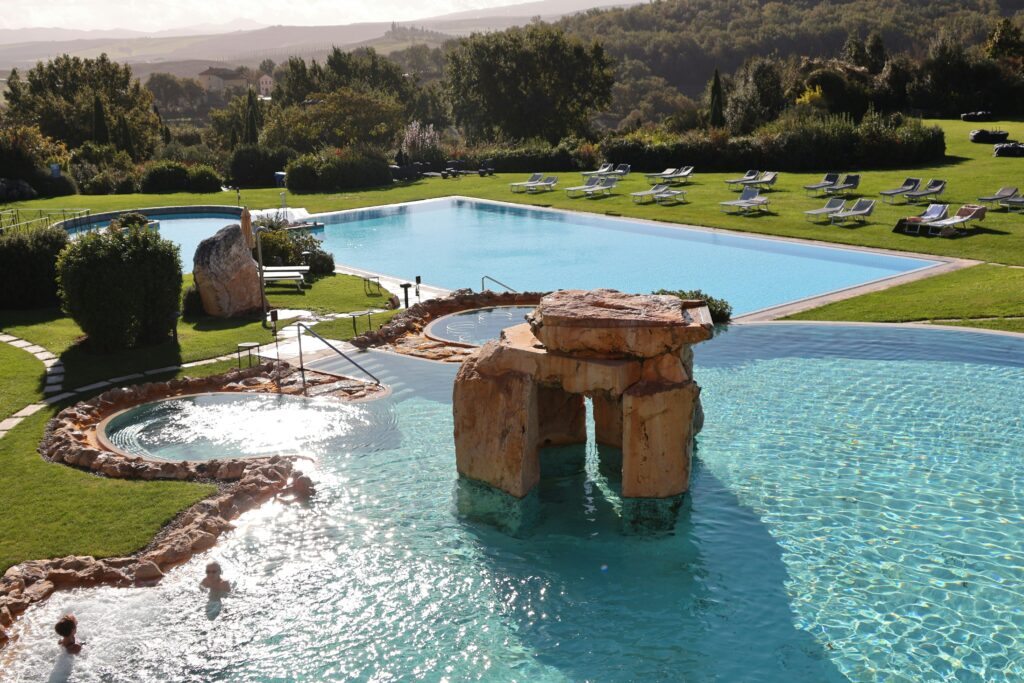
Winter’s specific climate and atmosphere make certain Italian regions particularly appealing for restorative wellness retreats. The Dolomites and Alpine regions offer snowy landscapes perfect for cozy indoor practices and invigorating outdoor activities. Thermal spa regions throughout Italy—Tuscany’s Saturnia, Emilia-Romagna’s Salsomaggiore, and others—provide warm aquatic therapies during cooler weather. City retreats in Florence, Rome, and Venice offer cultural enrichment during the quiet tourist season.
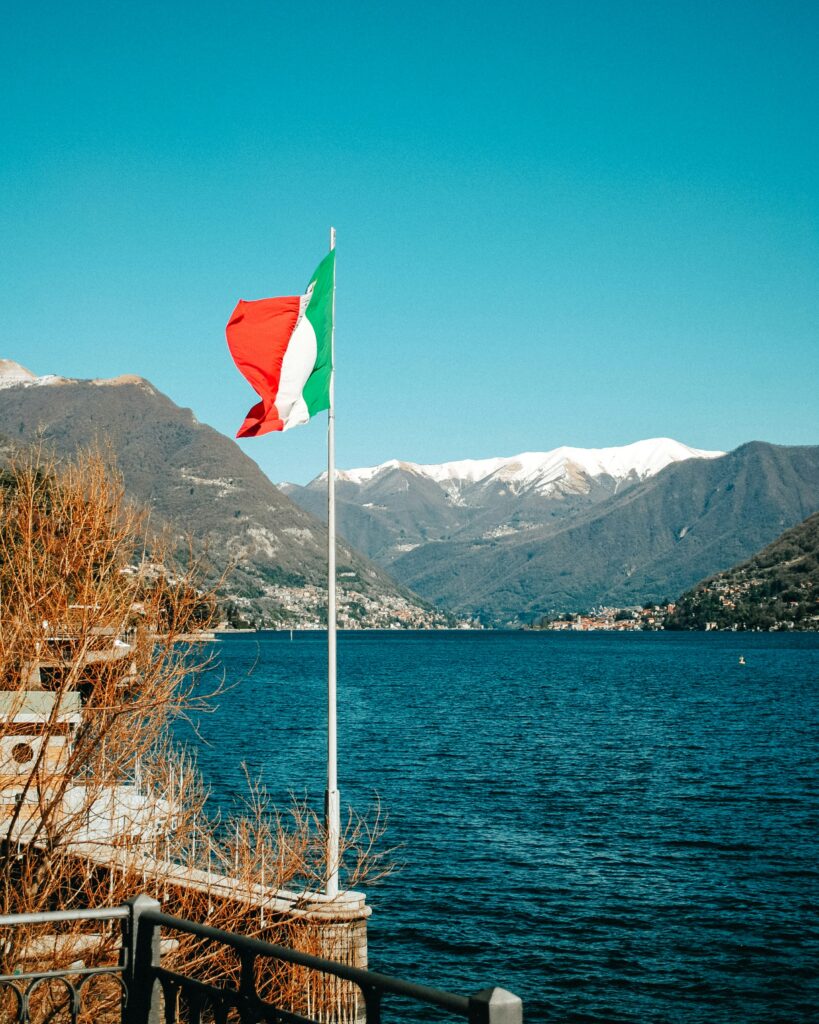
Southern regions like Sicily and Puglia maintain milder temperatures for those preferring warmer conditions. Monastery stays throughout Italy offer traditional contemplative environments perfect for winter reflection. Countryside retreats in Tuscany and Umbria provide peaceful settings away from seasonal demands amid beautiful winter landscapes. The Italian Lakes present stark beauty and peaceful atmospheres with fewer tourists.
Winter Planning Guide
Planning a winter wellness retreat requires consideration of the season’s unique characteristics and progression. The holiday period (December) requires early booking (4-6 months ahead), especially for Christmas and New Year’s retreats. Deep winter (January) often offers good availability and lower prices—booking 2-4 months ahead is typically sufficient. Late winter (February) sees increasing demand as light returns—book 3-5 months ahead. The weather becomes cool and potentially wet or snowy; pack warm layers, indoor exercise clothing, and appropriate footwear. Holiday travel affects December logistics and pricing.
Look for retreats with excellent indoor facilities, including warm practice spaces, cozy common areas, and therapeutic amenities. The limited daylight supports sleep optimization and rest-focused programs. Many Italians celebrate Christmas traditionally and take holidays around January 6th (Epiphany), potentially affecting services. Travel insurance that covers weather-related disruptions is essential.
FAQs: Wellness Retreats in Italy – Winter 2026
Q1: Why choose a wellness retreat in Italy during the winter?
Winter (December-February) offers a profound, introspective wellness experience focused on restorative calm, deep nourishment, and hygge. It’s the season for turning inward, embracing il dolce far niente (the sweetness of doing nothing) by a crackling fire, and indulging in thermal springs while cool air nips at your cheeks. You’ll experience Italy at its most serene, authentic, and crowd-free, with wellness programming designed for replenishment, reflection, and cultivating inner warmth.
Q2: What is the core winter wellness philosophy in Italy?
The focus shifts from outward expansion to inward restoration. Practices emphasize slowing down, nervous system regulation, and building resilience. This is achieved through restorative yoga, meditation, sauna and cold plunge rituals (like aufguss), and the deep, earthy cuisine of the season. Winter is the time for somatic healing, rest, and preparing the body and mind for the new cycle ahead.
Q3: What are the best regions for a winter wellness retreat?
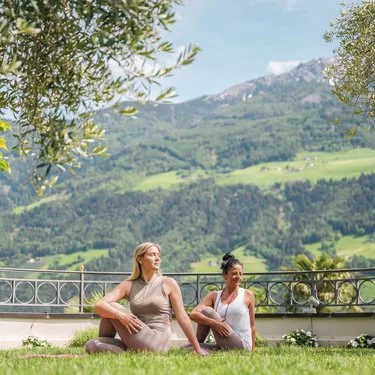
- The Italian Alps & Dolomites: The premier destination for a ‘hybrid wellness’ experience, where alpine serenity meets profound relaxation. Imagine morning yoga with panoramic mountain views, followed by forest bathing in snow-dusted pine groves, and après-wellness sessions in a luxurious spa with outdoor heated pools.
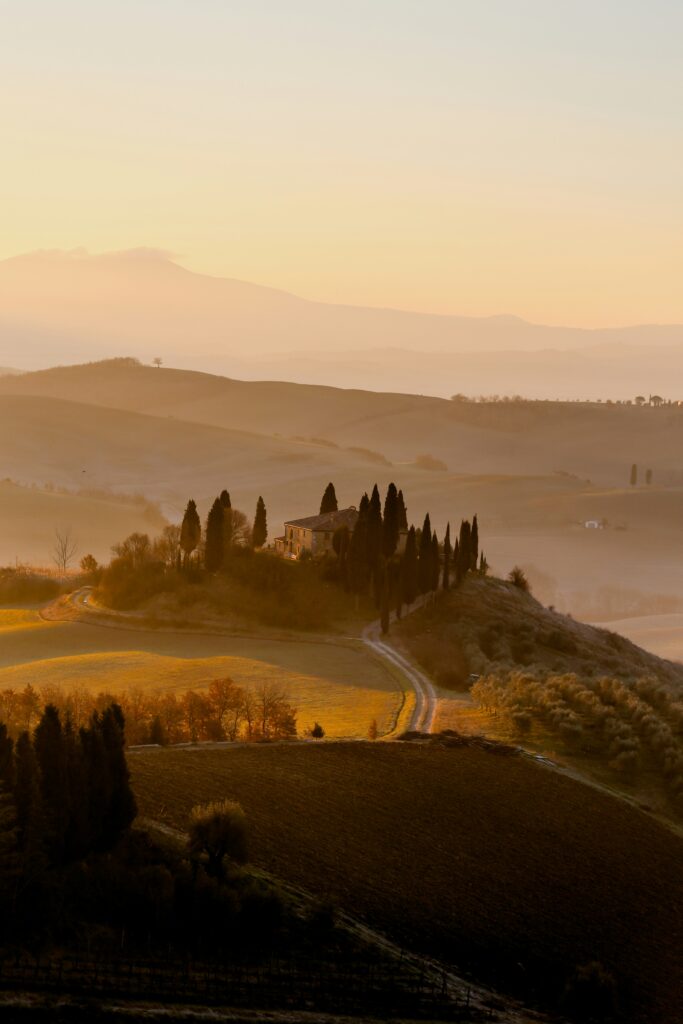
- Tuscany & Umbria: For a countryside sanctuary retreat. Rolling hills take on a stark, beautiful minimalism. Retreats are based in restored farmhouses with roaring fireplaces and feature indoor-outdoor thermal springs, cooking classes on hearty winter cuisine, and contemplative walks through dormant vineyards and olive groves.
- The Italian Lakes (Garda, Como): Offers a tranquil, misty escape. The summer crowds are gone, leaving a hauntingly beautiful, quiet atmosphere perfect for writing, painting, or silent meditation retreats in historic villas, with the option for brisk, reflective lakeside walks.
- Southern Italy & Islands (Sicily, Puglia): Provides a mild-climate coastal reset. While not for swimming, these regions offer cool but sunny days ideal for coastal hiking, outdoor meditation without the summer heat, and wellness programs centered around the olive harvest and citrus season.
Q4: What is the weather like, and how are retreats designed for it?
Winter is cold and variable. In the north and mountains, expect temperatures from -5°C to 5°C (23°F to 41°F) with potential for significant snow, especially in the Dolomites. Central Italy is crisp (0°C to 10°C / 32°F to 50°F), and the south is cool and damp (5°C to 15°C / 41°F to 59°F).
- Retreat Design: Programs are built around cozy indoor sanctuaries—heated yoga shalas, candlelit meditation rooms, and lounge areas with fireplaces. Outdoor activities are short, mindful, and geared towards the elements, like guided winter forest walks or meditative moments in thermal pools. The schedule honors the limited daylight.
Q5: What should I pack for a winter wellness retreat?
- Technical Base Layers: Merino wool or thermal synthetic layers are essential for warmth and moisture management.
- Insulating Layers: A high-quality down or primaloft jacket, fleece, warm hat, gloves, and a scarf.
- Footwear: Insulated, waterproof boots with good grip for any snow or ice. Comfortable indoor shoes or slippers.
- Swimwear: A must for thermal baths, heated indoor/outdoor pools, saunas, and steam rooms.
- Accessories: A headlamp for early evening walks, a robust water bottle, and a great book for long, cozy evenings.
Q6: What are signature winter wellness activities?
- Thermalism & Contrast Therapy: Soaking in outdoor geothermal pools surrounded by frost or steam, followed by Roman sauna rituals and cold plunge sessions.
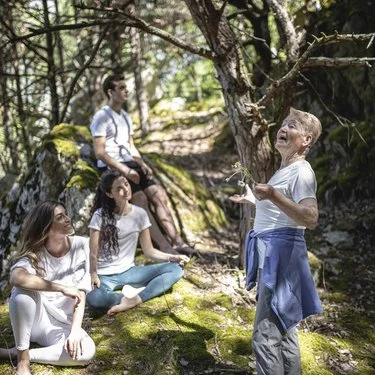
- Winter Forest Bathing (Shinrin-yoku): Guided mindful walks in silent, snow-muffled forests, proven to reduce stress and boost immunity.
- Restorative & Yin Yoga: Deep, floor-based practices held in warm, dimly lit rooms to nourish connective tissues and calm the mind.
- Seasonal Culinary Workshops: Focused on slow-cooked, nourishing foods—learning to make ribollita soup, polenta, roasted chestnuts, and dishes with winter truffles and dark leafy greens.
Q7: What defines the culinary focus of a winter retreat?
Winter cuisine is about deep nourishment, warmth, and robust flavor.
- Comfort & Root Vegetables: Menus feature roasted squash, potatoes, Jerusalem artichokes, and hearty soups and stews like pasta e fagioli or zuppa di lenticchie.
- Preserved & Rich Flavors: Dishes incorporate preserved foods like sun-dried tomatoes, olives, and cured meats, as well as rich sauces and slow-cooked ragù.
- Building Resilience: Nutrition focuses on healthy fats, proteins, and complex carbohydrates to sustain energy and warmth, often aligned with Ayurvedic principles for the Vata season.
- Warm Beverages: An emphasis on herbal teas, hot infusions with ginger and lemon, and perhaps a small tasting of regional red wines or digestive liquors like amaro.
Q8: Are there cultural or festive elements in Winter 2026?
- Christmas Markets & Presepe (Nativity Scenes): Until early January, towns, especially in the north (Trentino-Alto Adige, Umbria), host enchanting Christmas markets. A retreat may include a mindful visit to experience the lights and scents without the shopping frenzy.
- Carnevale: In 2026, the famous Carnevale di Venezia will peak in late February. A retreat during this time would be deliberately located away from the chaos, offering a serene counterpoint, though travel to Venice itself would be incredibly busy.
- New Year’s Intentions: Late December/early January retreats often focus on reflective practices, releasing the old year, and setting mindful intentions rather than festive parties.
Q9: What are the key travel logistics for a winter retreat?
Embrace the Pace: This is not a sightseeing-heavy trip. It’s about surrendering to slowness, embracing limited daylight, and finding profound wellness in rest and simplicity. The stark, quiet beauty of the Italian winter landscape is a key part of the therapy.
Booking: While less competitive than summer, book 4-6 months in advance, especially for popular alpine spa destinations around the holidays.
Travel to Mountain Areas: If traveling to the Dolomites or Alps, ensure you have appropriate transportation (e.g., winter tires, chains) or book reliable transfer services. Flights into Milan, Verona, or Innsbruck are common gateways.