
Ayurveda Retreats in India: Winter 2026 Seasonal Guide
Winter in India represents one of the most therapeutically significant seasons in the Ayurvedic calendar, encompassing the months of December through February and offering unique healing opportunities that leverage the cold, dry weather for profound transformation.
Our selection of Ayurveda retreats in India | Winter 2026
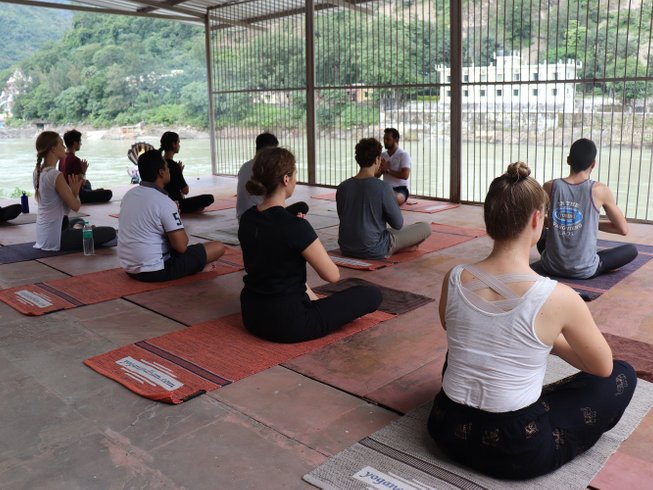
28 Day Ayurvedic Panchkarma Treatment and Yoga Retreat in Rishikesh, India
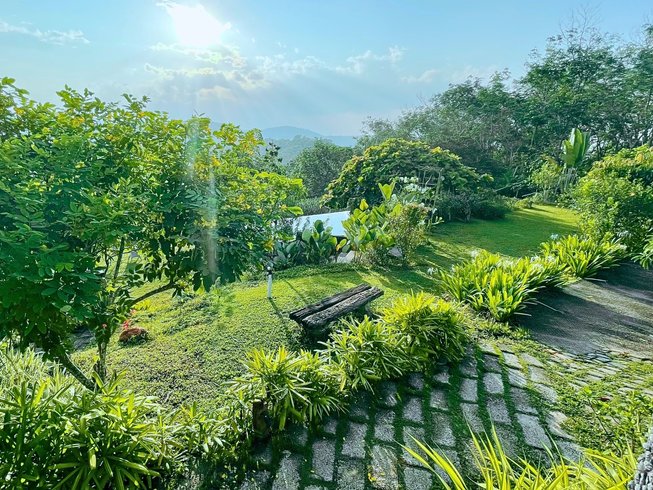
8 Day Yoga and Ayurveda Retreat in Kerala, India

6 Day Oasis of Ayurveda: Healing & Learning Yoga Retreat in Arambol, Goa, India

10 Day Atam Sukha Wellness Retreat in Uttarakhand, India with Ayurveda, Meditation, and Yoga
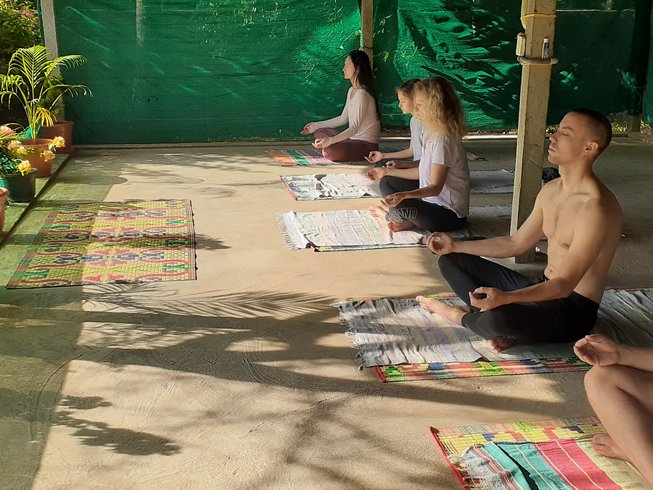
14 Day Ayurveda Panchakarma Detox Retreat in Chalakudy, Kerala, India
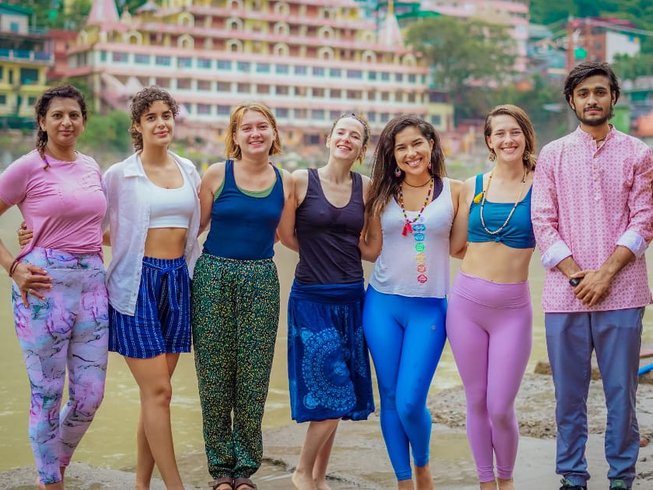
7 Day Unplugged Ayurveda and Panchakarma Retreat in Rishikesh, India
The varied winter landscapes across India—from the pleasantly cool coastal regions to the authentically cold Himalayan retreats—provide diverse environments for tailored healing experiences that address both immediate wellness and long-term vitality.
The winter season in Ayurveda is known as ‘Hemanta Ritu’ (early winter) and ‘Shishira Ritu’ (peak winter), periods characterized by strong digestive fire, enhanced treatment absorption, and optimal conditions for intensive therapies that might be uncomfortable during warmer months. This season is particularly recommended for Rasayana (rejuvenation) treatments, Panchakarma detoxification, and programs addressing conditions that benefit from the body’s winter concentration of energy. The contemplative atmosphere of winter supports not just physical healing but also mental clarity, emotional balance, and spiritual connection, making this season ideal for comprehensive transformation journeys.
Why Winter Supports Deep Healing and Comprehensive Rejuvenation
Winter’s cold, dry conditions create the year’s optimal environment for intensive Ayurvedic therapies according to classical wisdom. The season causes the body’s energy to move inward, creating perfect conditions for deep tissue work, fundamental system balancing, and profound healing that addresses root causes rather than surface symptoms. The body’s naturally strengthened digestive fire during winter allows for optimal assimilation of nourishing therapies, herbal formulations, and building diets that support comprehensive vitality enhancement.
This season offers special advantages for individuals with chronic health conditions, depleted energy systems, or concerns that require sustained therapeutic focus. The extended duration of winter allows for longer treatment programs that can address complex health challenges systematically. The psychological atmosphere of winter—introspective, calm, and focused—supports the mental and emotional aspects of deep healing work, facilitating transformations that integrate across all dimensions of well-being.
Seasonal Therapeutic Advantages
- Optimal Rejuvenation Conditions – Cool temperatures across all regions create perfect environments for intensive warming therapies and oil treatments
- Enhanced Medicine Absorption – Body’s inward energy movement allows deeper penetration of herbal formulations and therapeutic applications
- Strong Digestive Capacity – Naturally enhanced Agni (digestive fire) supports optimal assimilation of building therapies and nourishing diets
- Comfortable Intensive Treatment – Cold weather makes extensive therapy sessions particularly pleasant and effective
Comprehensive Health Benefits
- Deep Tissue Rejuvenation – Extended seasonal window allows treatments to reach fundamental tissue levels systematically
- Chronic Condition Resolution – Ideal environment for addressing long-standing health challenges through sustained approaches
- Immune System Comprehensive Strengthening – Critical period for building robust year-round immunity foundations
- Year-Beginning Health Foundations – Opportunity to establish vitality patterns that support well-being through all coming seasons
Winter Specializations
Winter Ayurvedic programs focus on comprehensive rejuvenation, deep immunity enhancement, and chronic condition management through extended therapeutic approaches. The specialized treatments available this season represent the most sophisticated in the Ayurvedic tradition, requiring experienced practitioner guidance and careful protocol customization across the extended winter period. Most reputable centers design winter programs that systematically address both immediate vitality and long-term health foundations.
Many retreats introduce ‘Winter Transformation Programs’ that combine traditional Rasayana approaches with modern wellness strategies and seasonal lifestyle education. These typically include phased herbal formulations using winter-potentized plants, dietary plans rich in building and warming foods, and therapeutic practices specifically selected for their cold-season benefits. The treatments often emphasize respiratory health optimization, joint and musculoskeletal maintenance, digestive system enhancement, and comprehensive immune system building to establish robust foundations for year-round vitality.
Featured Winter Treatments
- Winter Rasayana Intensive – Extended rejuvenation therapy specifically designed for cold season conditions
- Seasonal Panchakarma – Comprehensive detoxification protocol optimized for winter therapeutic advantages
- Abhyangam with Warming Oils – Medicated oil massage using specially formulated winter oil blends
- Deep Tissue Basti Therapy – Extended colon treatments for fundamental system nourishment
- Winter Shirodhara Series – Multiple pouring therapy sessions using seasonal herbal combinations
Top Winter Destinations
Winter offers diverse Ayurvedic experiences across India’s varied climatic regions, each providing unique advantages for cold-season healing. The choice of destination should consider both therapeutic specialization and personal comfort with winter intensity, as regional variations create significantly different healing environments. Southern destinations provide pleasantly cool conditions ideal for traditional programs, while northern regions offer authentic winter experiences for those seeking genuine cold-weather therapies.
The following destinations represent premier winter choices, each offering distinctive advantages during this extended healing season. Consider your specific health goals, treatment duration preferences, and environmental comfort when selecting from these exceptional Ayurvedic locations.
Kerala – Winter Ayurveda Capital
- Traditional Rejuvenation Specialists – Centers with generations of winter Rasayana expertise
- Backwater Winter Sanctuaries – Riverside clinics with perfect seasonal conditions
- Beachfront Cool Season Centers – Coastal clinics with refreshing ocean environments
- Hill Station Winter Retreats – Mountain facilities with crisp, clear winter air
Goa – Perfect Winter Climate
- Beachfront Wellness Resorts – Coastal clinics with ideal winter ocean conditions
- Heritage Property Seasonal Centers – Historic facilities with special winter programs
- Integrated Luxury Retreats – Comprehensive centers offering multi-dimensional winter wellness
- Cultural Winter Experiences – Facilities incorporating seasonal festivals and traditions
Himalayan Region – Authentic Winter Healing
- Mountain Rejuvenation Centers – High-altitude clinics with genuine winter therapy environments
- Forest Winter Sanctuaries – Woodland facilities focusing on cold-season adaptation
- Riverside Cold Therapy Specialists – Riverbank clinics with refreshing winter environments
- Traditional Winter Ayurvedic Hospitals
Winter Planning Guide
Winter retreat planning requires comprehensive consideration of the extended seasonal window, significant regional climate variations, and the strategic importance of this prime healing period. The season’s popularity for international wellness tourism, particularly during the holiday period and January peak, demands early action to secure preferred dates, specific treatment programs, and desirable accommodations. Your approach should consider both immediate therapeutic goals and long-term vitality establishment.
Your preparation should include detailed attention to winter-specific requirements and the opportunity for extended transformation. Most retreats provide comprehensive pre-arrival guidelines that address seasonal preparation, including phased dietary transitions, lifestyle practices, and mental-emotional preparation that maximize the benefits of this optimal healing season.
Strategic Seasonal Booking Approach
- 6-9 Months Prior – Research retreats with specific winter expertise; consider regional climate preferences
- 5-7 Months Prior – Complete detailed health consultations for personalized program development
- 4-6 Months Prior – Begin extended pre-arrival preparation as recommended for seasonal programs
- 3-5 Months Prior – Implement comprehensive lifestyle adjustments; finalize destination choice
- 2-3 Months Prior – Complete all travel arrangements with seasonal considerations; pack appropriately
Comprehensive Winter Preparation
- Extended Dietary Transition – Implement gradual shift to winter-appropriate nutrition over several weeks
- Temperature Adaptation Practices – Begin gentle exposure to cooler conditions to initiate physiological adaptation
- Therapeutic Intention Setting – Clarify seasonal health goals and transformation objectives
- Mental-Emotional Readiness – Cultivate mindset for introspective, indoor-enhanced healing journey
- Practical Seasonal Planning – Arrange appropriate clothing, travel flexibility, and communication plans
Winter FAQ
How long should a winter Ayurvedic program be for optimal results?
Winter programs typically benefit from extended duration due to the season’s support for deep, systematic healing. While shorter programs (7-14 days) can provide significant benefits, comprehensive winter transformation often requires 21-28 days or longer. The extended time allows for complete Panchakarma cycles, thorough Rasayana therapy, and sustainable integration of new health patterns. The season’s contemplative nature supports longer stays without the restlessness that might occur during more active seasons. Many experienced practitioners recommend winter as the ideal time for extended Ayurvedic immersion specifically because the environmental conditions enhance rather than challenge prolonged therapeutic focus.
Are winter treatments suitable for all constitutional types?
Winter treatments can benefit all constitutional types when properly customized, though the approaches differ significantly. Vata-dominant individuals typically require substantial warming, nourishing therapies to counter winter’s cold, dry qualities. Pitta types benefit from winter’s natural cooling relief but still need balancing approaches to prevent excess internal heat. Kapha constitutions require stimulating, warming treatments to counter winter’s potential for stagnation. The key is thorough constitutional assessment and protocol customization by experienced practitioners who understand both individual needs and seasonal influences. Winter’s extended duration allows for sophisticated balancing across all doshas.
How do winter programs address seasonal affective disorder?
Comprehensive winter programs include specific protocols for managing and preventing seasonal affective disorder through integrated approaches. Treatments focus on balancing neurotransmitters, optimizing circadian rhythms, and enhancing light sensitivity. Many centers incorporate appropriate light therapy, color therapy, and environmental design that maximizes available daylight. The dietary recommendations include mood-supporting nutrients and herbs, while therapeutic practices address emotional resilience and mental clarity. The extended winter season allows for systematic approaches that can significantly improve seasonal mood challenges for susceptible individuals.
Can I combine winter sports with Ayurvedic treatments?
Combining winter sports with Ayurvedic treatments requires careful planning and realistic expectations. While physical activity supports overall health, intensive sports may conflict with certain therapies, particularly during detoxification phases. The most successful approach involves scheduling sports activities either before or after intensive treatment periods, or selecting programs specifically designed to integrate appropriate physical activity. Some mountain retreats offer modified programs that balance therapeutic rigor with winter recreation, but this requires clear communication about your goals and careful coordination with practitioners.
How do retreats handle the extended holiday season within winter programs?
Reputable retreats develop sophisticated approaches to the extended holiday season that balance celebration with therapeutic progress. Most centers maintain consistent treatment schedules while incorporating meaningful seasonal rituals, appropriate festivities, and cultural education that enhance rather than disrupt healing. The overall approach respects the significance of holiday periods while ensuring therapeutic integrity, often using the collective energy of celebration to support transformation rather than distraction. Guests typically find that the holiday atmosphere enriches their experience without compromising treatment outcomes when the retreat’s approach is thoughtful and well-executed.
Winter 2026 offers an extended opportunity to experience comprehensive Ayurvedic transformation leveraging the season’s unique therapeutic advantages. The prolonged healing window, optimal environmental conditions, and sophisticated seasonal approaches create potential for profound vitality enhancement that establishes robust foundations for year-round well-being.
As you contemplate your winter Ayurvedic journey, consider the strategic advantage of this extended seasonal window. Rather than addressing health concerns in isolation, winter programs work with your body’s natural seasonal rhythms to facilitate deep, systematic healing that addresses physical, mental, emotional, and spiritual dimensions simultaneously. This comprehensive approach can create transformations that resonate through all aspects of your life, establishing health patterns that support not just seasonal well-being but lifelong vitality.
More Ayurveda Retreat Guides for India
Complete Year-Round Guide
Ayurveda Retreats in India by Season
- Winter Ayurveda Retreats in India
- Spring Ayurveda Retreats in India
- Summer Ayurveda Retreats in India
- Autumn Ayurveda Retreats in India
Ayurveda Retreats in India by Month
- Ayurveda Retreats in India in January
- Ayurveda Retreats in India in February
- Ayurveda Retreats in India in March
- Ayurveda Retreats in India in April
- Ayurveda Retreats in India in May
- Ayurveda Retreats in India in June
- Ayurveda Retreats in India in July
- Ayurveda Retreats in India in August
- Ayurveda Retreats in India in September
- Ayurveda Retreats in India in October
- Ayurveda Retreats in India in November
- Ayurveda Retreats in India in December
