
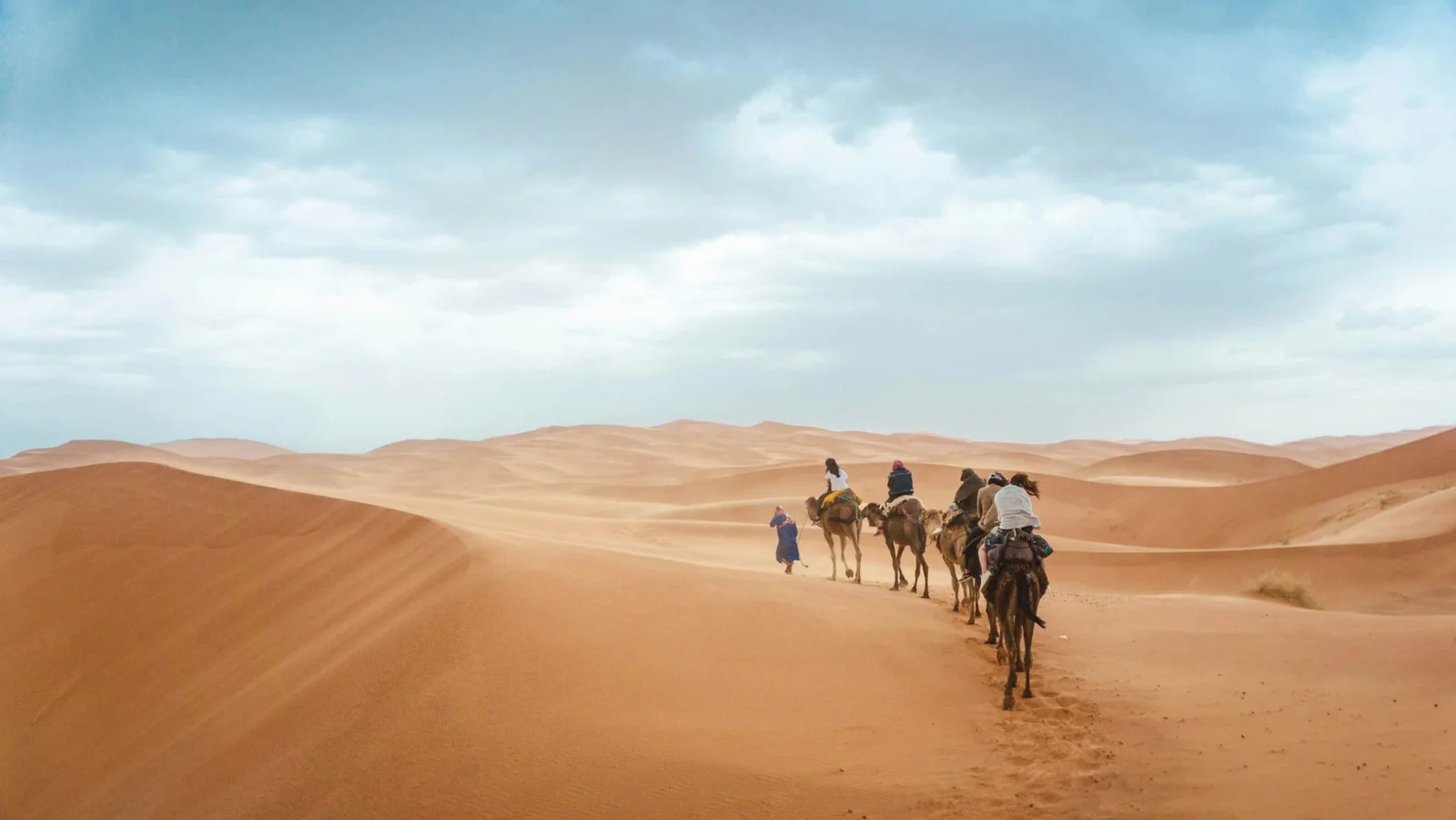
Best Yoga Retreats in Morocco in Winter 2026
Winter is one of the quietest and most introspective times for a yoga retreat in Morocco, because December to February brings fewer tourists, lower prices, cooler weather, and a slower rhythm that naturally supports rest, hammam rituals, indoor wellness, and deeper cultural immersion. It can be a very rewarding season, but only if you are prepared for real winter conditions, including cold riads, rain in many regions, chilly coastal wind, and big day-to-night temperature swings in the desert.
Share This Article


Yoga Retreats in Morocco in Winter 2026
Winter in Morocco—December through February—is the season tourists often overlook and locals simply endure. It’s cold, wet, and genuinely uncomfortable if you’re unprepared. But winter also offers Morocco at its most authentic, most affordable, and most willing to engage genuinely with visitors who meet it on its own terms rather than expecting it to perform.
Winter Morocco isn’t for everyone. It requires proper infrastructure, realistic expectations, and willingness to embrace rather than resist the season. But for certain travelers, winter provides experiences impossible during tourist-friendly months.
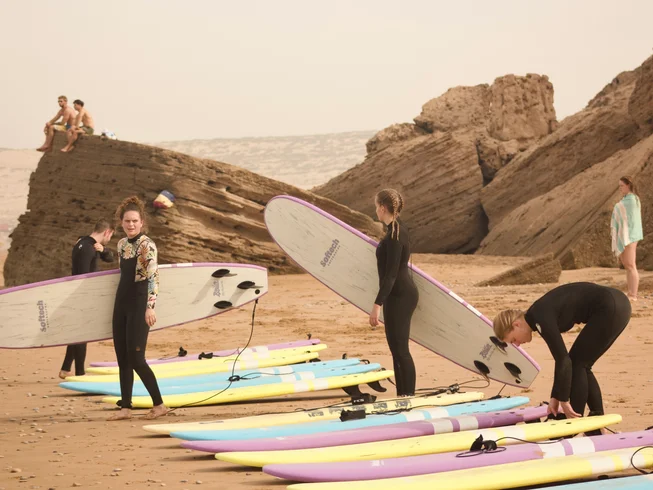
7 Day Surf and Yoga Package with Personalized Beginner Surf Coaching in Taghazout, Morocco
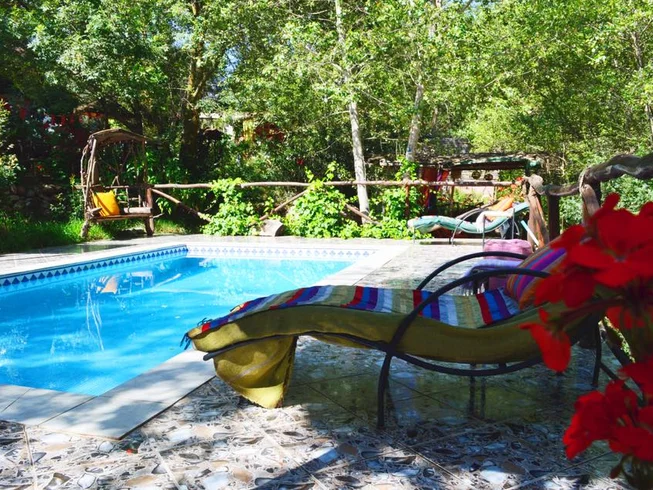
6 Day ‘Body & Mind Awareness’ Yoga Holiday in the Atlas Mountains, Morocco
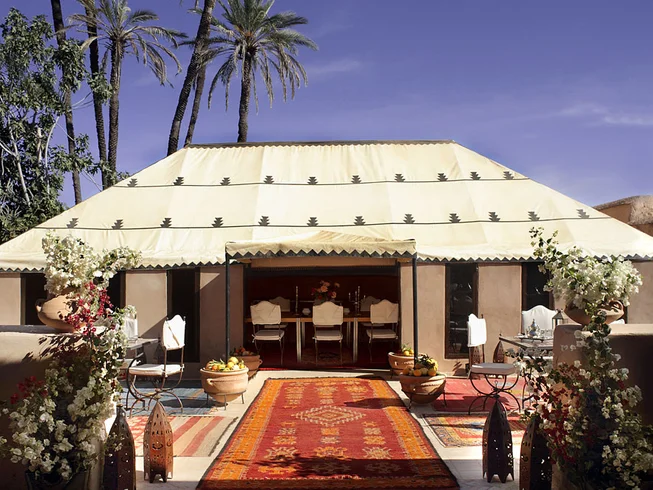
4 Day Yoga Retreat in Marrakech Oasis, Morocco
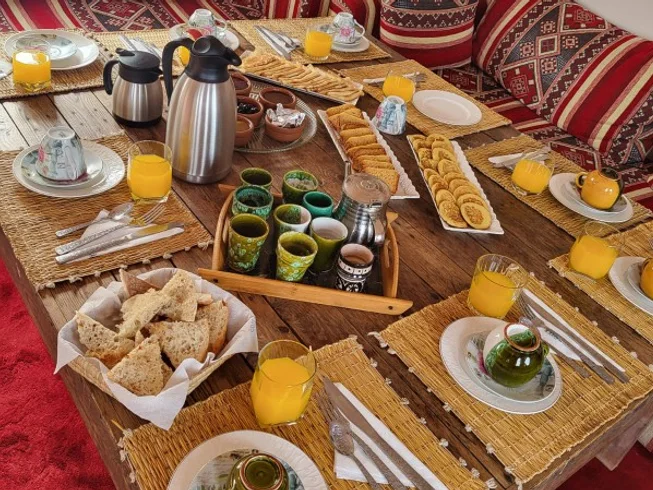
8-Day All-Inclusive Horse Riding Holiday With Yoga and Stretching in Oceanfront Riad, Agadir Morocco
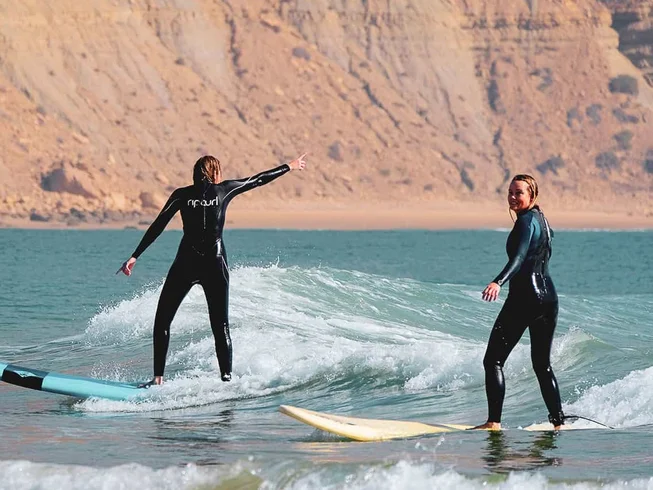
10 Day Unforgettable Luxury Yoga Trip, Culture and Nature Adventure in South of Morocco
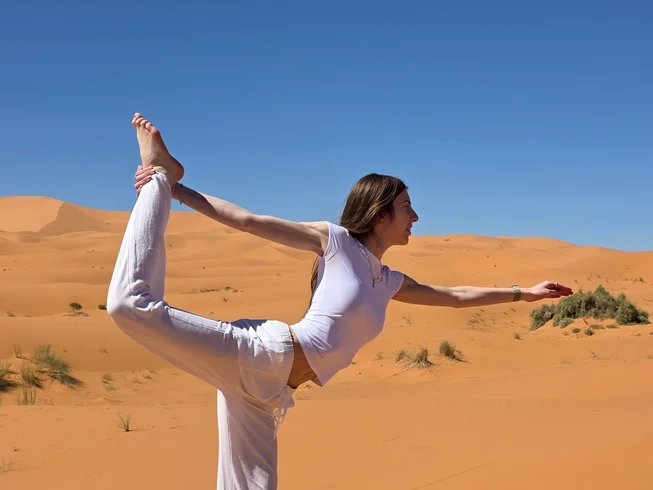
9 Day Sahara Soul Journey Luxury Yoga Retreat with Cultural Tours in Morocco
Winter Retreat Types
Successful winter retreats either embrace cold weather or avoid it through location and design. Hammam-focused programs make complete sense—traditional Moroccan steam baths feel perfect when it’s cold and rainy. Body treatments, massage, thermal experiences align naturally with winter conditions.
Cultural immersion retreats work well. Winter weather encourages indoor focus—cooking classes, medina exploration (between rain showers), palace visits, museum trips, artisan workshops. You’re engaging with Moroccan culture and crafts rather than landscape.
Some mountain locations operate ski-and-wellness programs. Morocco has functional ski resorts in the Atlas—not Alps quality but genuine winter sports options. Combining skiing with yoga and spa creates unique winter programs.
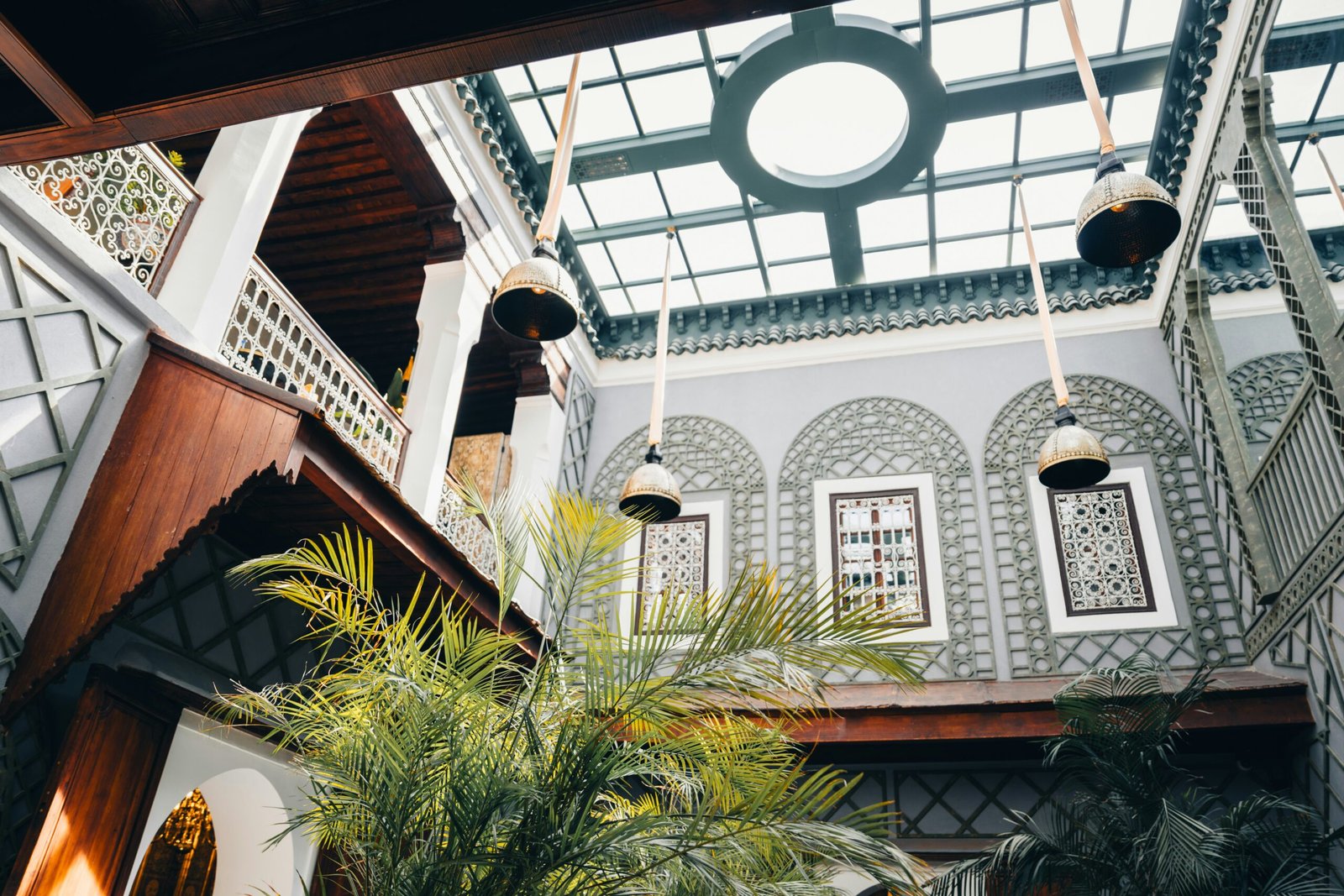
Riad sanctuary retreats create complete oases with excellent heating, comfortable spaces, hammam access, and no pressure to venture into cold rain. Winter becomes entirely about interior work—literally and metaphorically.
Winter’s Character
Tourist numbers drop dramatically in winter. International visitors largely vanish. Morocco functions entirely for Moroccans and the small number of travelers willing to handle winter conditions. This creates profound authenticity—every interaction feels genuine because you’re engaging with real life, not tourist theater.
Markets serve locals rather than souvenir hunters. Restaurants cook for regular customers. Life proceeds at actual pace. The absence of tourist performance allows witnessing and participating in Morocco as it genuinely exists most of the year.
Culturally, winter can include Islamic holidays and celebrations (dates shift yearly). Experiencing these without tourist crowds provides genuine insight and often warm hospitality as locals appreciate visitors willing to be there during their actual festivals rather than manufactured tourist seasons.
Where Winter Works
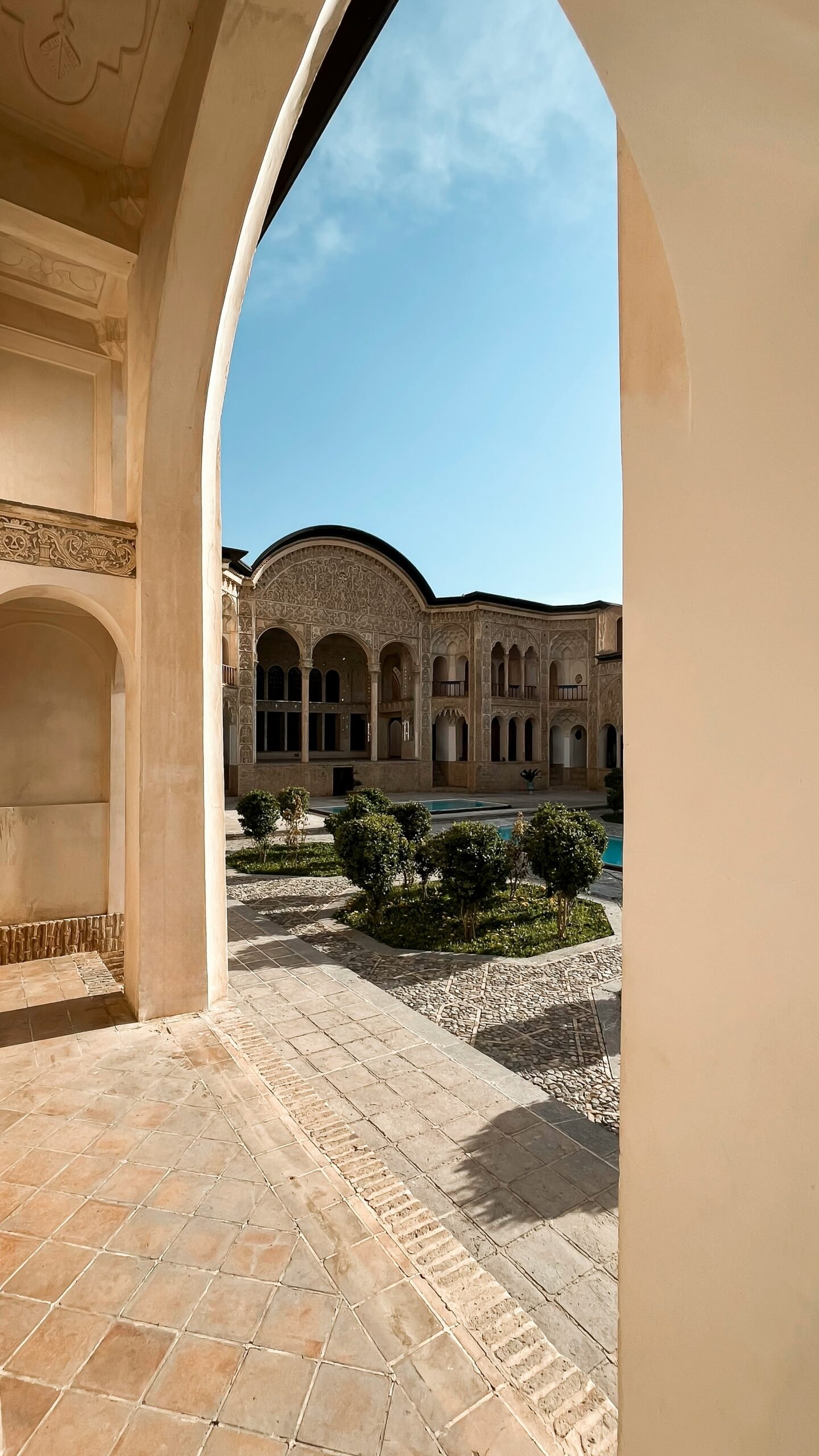
Marrakech functions for well-designed winter programs. You need riads with proper heating, comfortable indoor practice spaces, and programming that doesn’t depend on outdoor weather. The medina, palaces, hammams, restaurants—all the cultural richness—remains accessible regardless of weather.
The desert offers interesting winter experiences for hardy travelers. Days are pleasant, nights are properly cold, rain is rare (though possible). Desert camps operating in winter cater to serious travelers seeking authentic conditions rather than comfortable tourism.
The coast remains mildest, especially southern areas. Agadir maintains better winter weather than Essaouira or northern coast. You’re not there for beach—ocean is too cold—but for temperate winter escape and ocean energy.
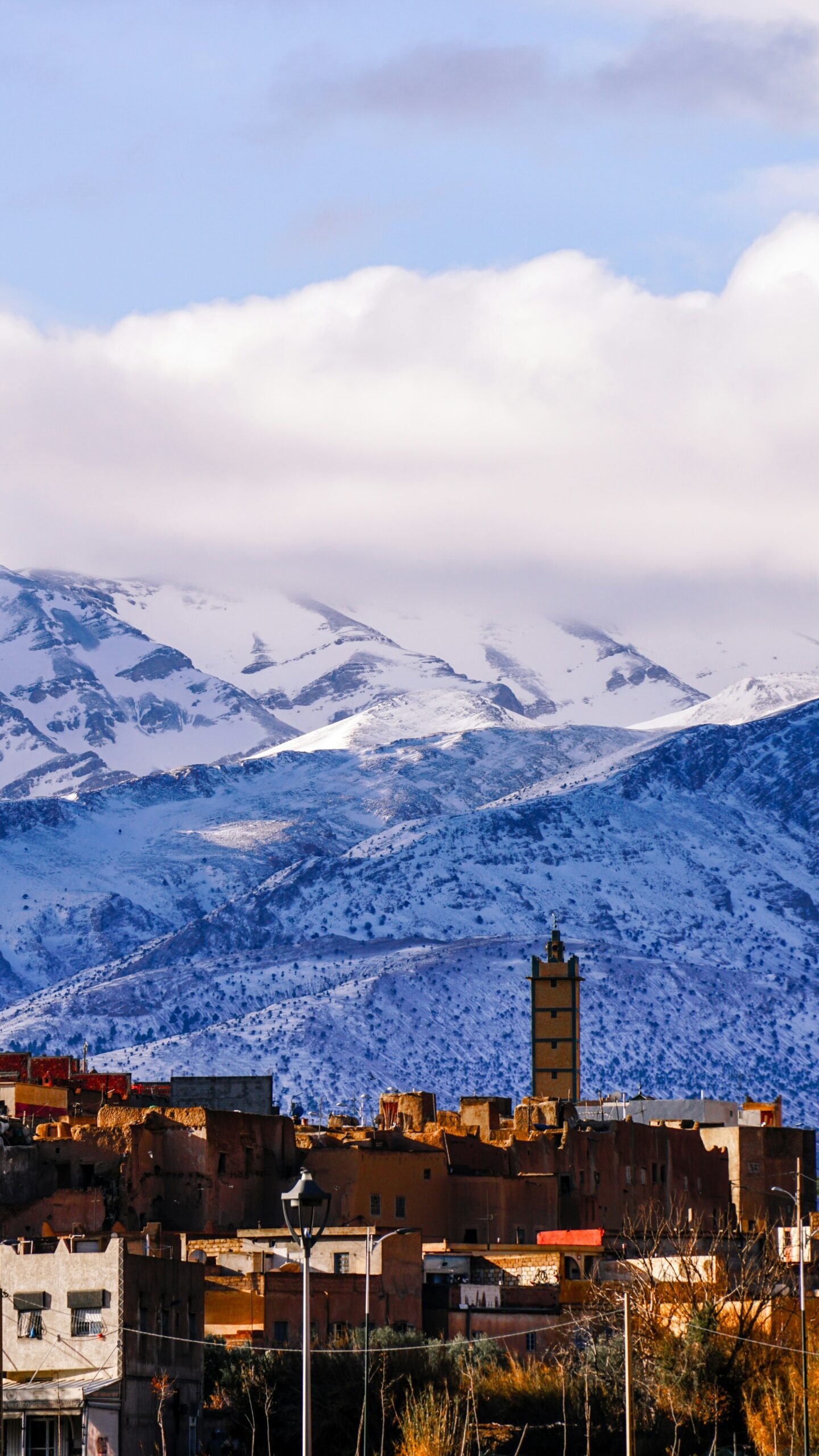
Mountain ski resorts create unique opportunity for winter sports enthusiasts who want both skiing and wellness. Not common, but available for those interested in this combination.
Winter Challenges
The cold affects everything. Buildings aren’t insulated. Heating is often inadequate. You might be genuinely uncomfortable in accommodations not designed for winter. That gorgeous open-courtyard riad becomes an ice box.
Rain disrupts plans constantly. Streets flood. Mud appears. Outdoor activities cancel. You need flexibility and multiple backup plans.
Short days limit possibilities. With only 10-11 hours of daylight and frequent clouds, you lose the extended golden hours that make other seasons magical.
Tourist infrastructure operates minimally. Some restaurants close for winter. Transportation is less frequent. Services reduce hours. You need more self-sufficiency.
Practical Necessities
You can usually book just 2-4 weeks ahead for winter since availability is generally excellent. The one exception is the week between Christmas and New Year—if you’re targeting the holiday season, you’ll want to book 8-10 weeks in advance.
You’ll need to pack serious winter clothing for Morocco in these months. Think warm jacket, multiple layers, long pants, warm socks, and possibly even gloves and a hat if you’re heading to the mountains or expect cold nights. Waterproof outer layers are essential, along with shoes that can handle wet conditions. Here’s an important tip that catches people off guard: you’re essentially dressing for indoor temperatures too, since heating in Moroccan buildings is often inadequate.
Verify heating systems explicitly. Don’t assume they exist or work. Read recent winter reviews. Ask specific questions about heating capacity. Many year-round properties still lack adequate winter heating.
Who Winter Suits
Winter works for budget travelers willing to handle discomfort for massive savings. You access Morocco at its absolute cheapest.
It suits cultural immersion seekers who value authenticity over comfort. If your primary interest is understanding Moroccan life rather than comfortable sightseeing, winter provides unfiltered access.
Winter appeals to people from cold climates for whom Moroccan winter feels mild. If you’re accustomed to -20°C, Morocco’s 10°C feels quite pleasant.
It works for hammam and thermal wellness enthusiasts. Winter is when steam baths and hot treatments feel most appealing and make complete sense.
Winter suits travelers seeking complete retreat sanctuary. A well-heated riad with hammam, comfortable indoor spaces, and no need to venture into cold rain provides perfect conditions for deep interior work.
Winter isn’t for people needing sunshine, warmth, or reliable outdoor activities. It requires acceptance of genuine winter conditions and significant flexibility.
Winter Advantages
Prices hit yearly lows—often 40-60% below spring rates. You can access luxury riads and high-end retreats at budget prices. This is when expensive becomes affordable.
Availability is excellent. Book two to three weeks ahead and you’ll have choices. Last-minute bookings work. The pressure of popular seasons doesn’t exist.
Authenticity peaks. With tourists absent, Morocco reveals itself completely. This appeals to travelers seeking depth over comfort, willing to meet the country on its own terms.
For people from genuinely cold climates, Moroccan winter feels mild. Canadians, Scandinavians, northern Europeans often find 10-15°C pleasant winter weather rather than hardship.
FAQs: Yoga Retreats in Morocco in Winter 2026
1. Is winter a good time for a yoga retreat in Morocco?
- Yes, winter can be a great time if you want a quieter, more authentic, and more affordable retreat experience rather than warm beach weather or long outdoor days.
2. What is the weather like in Morocco in winter?
- Winter in Morocco is genuinely cool and often wet, especially in December and January. Marrakech and inland cities can feel cold in the mornings and evenings, the coast stays milder but windier, the Atlas has snow and freezing temperatures, and the desert has pleasant days but very cold nights.
3. Which parts of Morocco are best for a winter retreat?
- Marrakech works well for culture-led retreats with strong indoor spaces, Agadir and the southern coast are usually the mildest winter options, and the desert suits travelers who want silence and dramatic landscapes as long as they are ready for cold nights.
4. What kind of retreat works best in Morocco in winter?
- Winter is especially good for hammam-focused retreats, massage and body-treatment programs, riad sanctuary stays, cooking and cultural immersion, and any retreat designed around indoor comfort instead of all-day outdoor activity.
5. Is winter cheaper than spring or autumn for a retreat in Morocco?
- Usually yes. Early December and January are described as some of the best-value periods of the year, with much lower prices and better availability than Morocco’s busier spring and autumn seasons.
6. What should I check before booking a winter retreat in Morocco?
- Check heating carefully, because many beautiful riads are not well-heated in winter. It also helps to pack serious layers, waterproof outerwear, and clothing that works for both cool indoor spaces and colder mornings or evenings outside.
Share Your Thoughts
Your email address will not be published. Required fields are marked *